Drone Attacks Ignite Oil Storage Fires in Russia's Krasnodar Region and Sevastopol
Ukrainian drone strikes cause fires at oil depots, raising concerns over energy security amid ongoing conflict.
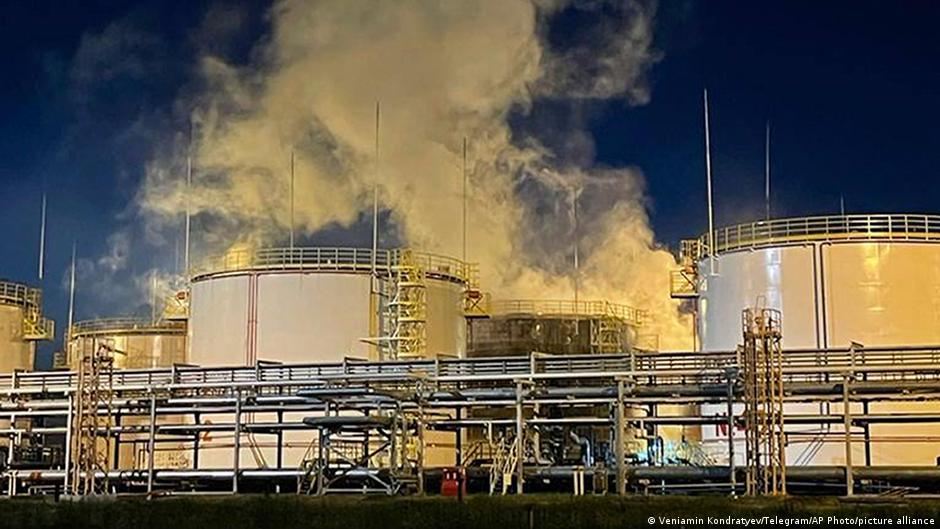
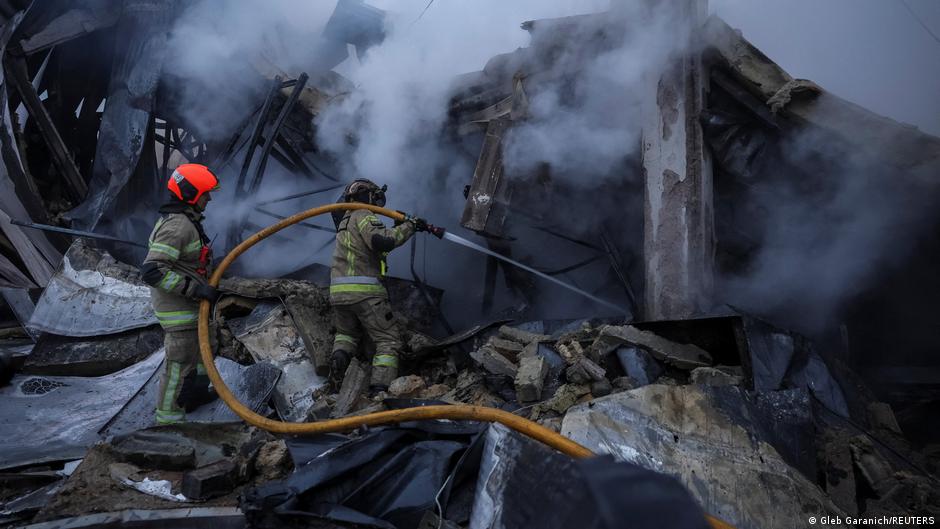
In the early hours of April 18, drone attacks attributed to Ukrainian forces targeted oil storage facilities in Russia's Krasnodar region and the annexed city of Sevastopol, resulting in fires but no reported casualties.
Impact on Regional Energy Infrastructure and Market Implications
In Tikhoretsk, a town within the Krasnodar Krai, one of Russia's key oil storage hubs was set ablaze following a night-time drone strike. Regional emergency authorities mobilized 224 personnel and 56 units of firefighting equipment to contain the blaze. Official statements confirmed that there were no fatalities or injuries related to the incident.
Similarly, in Sevastopol, located on the Crimean Peninsula annexed by Russia, a fuel storage tank containing residual fuel ignited after reportedly being hit by a downed drone. Mikhail Razvozhayev, the local administration head, reported that air defenses intercepted 22 Ukrainian drones over Sevastopol during the same night. The fire’s scale was described as limited, and no human casualties were recorded.
"The fire broke out in a tank with leftover fuel due to a downed drone. The affected area is small, and no one was harmed," said Mikhail Razvozhayev, Sevastopol's administration chief.
These developments came with heightened aerial security alerts across several Russian regions, including the Leningrad area, prompting the activation of temporary flight restrictions. Rosaviatsiya, Russia’s Federal Air Transport Agency, announced temporary suspension of arrivals and departures at Pskov airport. Similar 'Kover' security protocols were implemented at airports in Saratov, Penza, Samara, and Ulyanovsk.
From a UK and European business perspective, these incidents exacerbate concerns over the stability of energy supplies originating from Russia, a crucial player in global oil markets. London markets and sterling investors are likely to monitor closely the geopolitical risks affecting energy infrastructure, as disruptions can influence oil prices and, consequently, inflation and business costs across the UK and EU economies.
Given ongoing tensions and the critical role of Russian energy exports, such attacks contribute to market volatility. European energy security remains a pivotal issue, and these events may accelerate policy discussions on diversification away from Russian hydrocarbons.