Drone Attacks on Russian Border Cities Spark Concerns for UK and EU Markets
Recent strikes on Belgorod and Rostov impact Russian military infrastructure, raising uncertainties in London and European financial sectors.

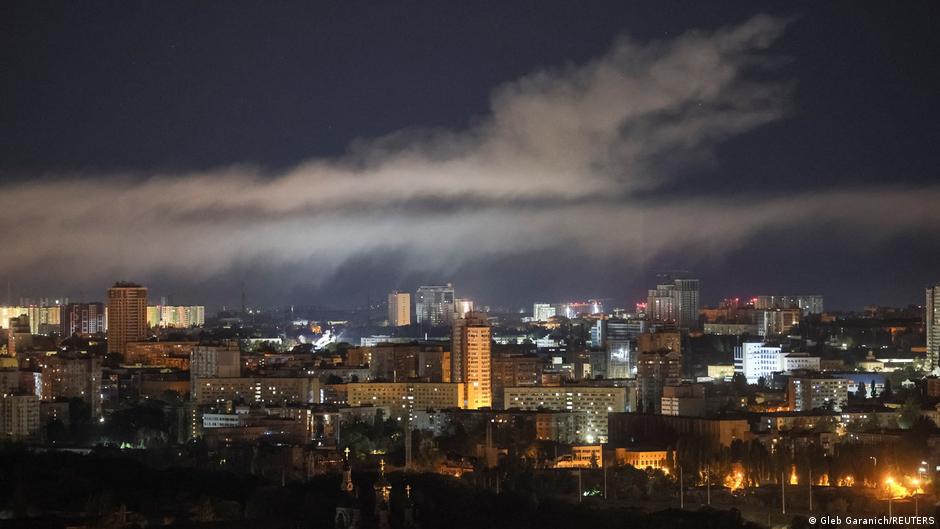
In the early hours of July 25, drone attacks targeted Russian cities close to the Ukraine border, notably Belgorod and Rostov-on-Don, triggering fires and infrastructure damage. These developments have caught the attention of UK and European investors and markets, given the potential implications for regional stability and energy security.
Details of the Attacks and Affected Infrastructure
The acting governor of Belgorod region, Alexander Shuvaev, confirmed multiple fires and damages to streets within the city, though he provided limited specifics. Emergency services have been actively working to extinguish the fires. The governor also acknowledged casualties but did not disclose the numbers.
According to the Ukrainian monitoring channel Exilenova, the strikes affected logistics warehouses and key energy infrastructure, including the Southern substation and the "Luch" thermal power station. Such damage to energy assets may contribute to regional power supply interruptions, a factor closely monitored by European energy markets.
Similarly, residents and officials in Rostov-on-Don reported drone attacks with accompanying fires. Though the city’s mayor, Alexander Skryabin, confirmed the attacks, he withheld further details. Social media has circulated footage showing at least one significant fire within the city.
Additionally, a large fire broke out at a military facility in Engels, Saratov region. While initial reports suggested the fire may have been caused by a drone attack targeting the 22nd Guards Heavy Bomber Aviation Division's headquarters near the military airfield, local sources indicated the blaze might have been accidental, with no confirmed attack.
These incidents are part of a series of assaults on Russian military facilities, with Engels airfield previously targeted on July 16, resulting in confirmed damage to a strategic Tu-95MS bomber—a platform known for launching missile attacks against Ukraine.
"The repeated drone strikes on Russian strategic military sites near the Ukraine border underscore ongoing tensions that are reverberating beyond the region," noted regional security analysts.
Implications for UK and European Markets
The escalation of cross-border hostilities has the potential to unsettle energy supplies and raise geopolitical risks in the region. Given Europe's dependence on energy infrastructure that could be indirectly affected by the conflict, markets in London and across the EU are monitoring these developments closely.
Sterling and European currencies have shown sensitivity to the news, reflecting investor concerns over potential disruptions in energy flow and broader economic instability. London's financial sector, which has significant exposure to commodities and energy markets, is particularly attentive to how these evolving security dynamics might influence market volatility.
Furthermore, the ongoing conflict and related attacks add uncertainty to investment climates, potentially impacting cross-border trade and investment between the UK, EU, and Eastern European regions.
As the situation develops, business leaders and policymakers in the UK and Europe are urged to consider contingency plans for energy security and supply chain resilience.