Drone Strikes Damage Residential Buildings in Kharkiv and Odessa Amid Rising Regional Tensions
Seven injured as Russian drone attacks cause fires and destruction in Ukrainian cities, impacting broader European market concerns
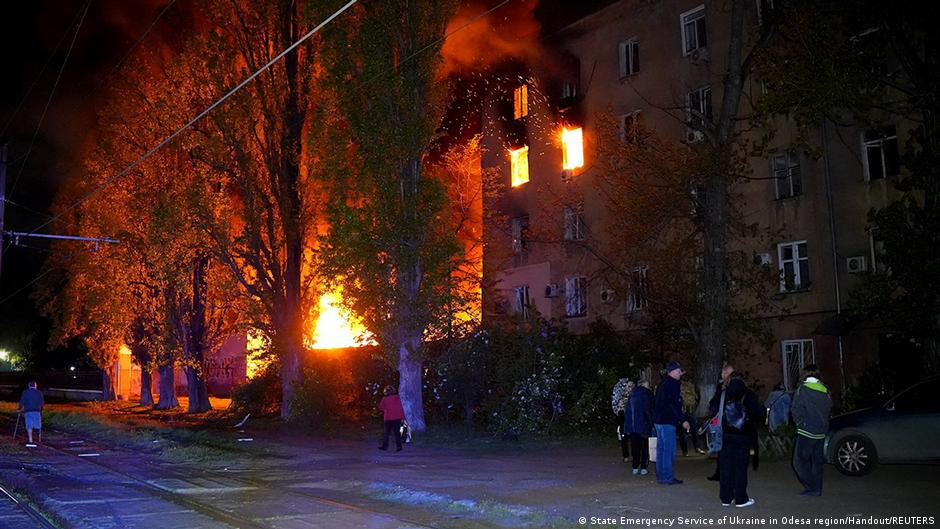
In the early hours of June 1, Russian drone strikes targeted residential buildings in the Ukrainian cities of Kharkiv and Odessa, causing significant damage and injuring seven civilians, according to local authorities. The attacks also affected the city of Bohodukhiv in the Kharkiv region, raising concerns about regional stability and implications for European markets, including London.
Impact on Urban Infrastructure and Civilian Safety
Odessa’s military administration head, Serhiy Lysak, reported that a Russian drone hit a nine-story residential building, partially destroying the first and second floors and igniting a fire. The facade and balconies also suffered damage. Additionally, fires broke out in one two-story and two single-story non-residential buildings. In total, four residents of Odessa were injured during the night attacks.
In Kharkiv, the regional military administration chief, Oleh Synehubov, confirmed that a five-story residential building was damaged, alongside several multi-story buildings, garages, and a vehicle, all of which caught fire. Mayor Ihor Terekhov added that drone strikes also impacted two other districts, damaging at least three private houses. A drone strike was also registered in Bohodukhiv city, with three people injured across the region, including a 34-year-old Kharkiv resident and a 39-year-old woman from Bohodukhiv.
“These attacks on civilian infrastructure not only cause immediate human suffering but also threaten the stability crucial to Ukraine’s ongoing economic resilience,” a regional analyst noted.
Broader Military Activity and Market Repercussions
Between the evening of May 30 and early May 31, the Russian Armed Forces launched 229 drones across Ukraine, with the Ukrainian Air Force detecting 14 strike drones hitting 11 locations and debris from downed drones falling in five areas. Among these attacks, a strike on an enterprise in the Koretsky district of Chernihiv resulted in the death of a 58-year-old man and ignited a fire at a parking lot that destroyed seven vehicles.
For the UK and European business sectors, these developments raise concerns about the stability of Ukraine as a trading partner and the potential ripple effects on commodity markets, given Ukraine’s role as a major grain exporter. The ongoing conflict also influences sterling exchange rates and investor confidence in London’s financial markets, which monitor geopolitical risks closely.
London’s financial community remains vigilant, as any escalation in hostilities can impact commodity prices, supply chains, and investor appetite for emerging European markets. The strikes underscore the continuing volatility in the region and the interconnectedness of geopolitical events with global economic stability.
As the conflict persists, British and European businesses continue to assess potential risks and opportunities, with many advocating for increased support to Ukraine to maintain regional security and protect vital economic interests.


