Drone Strikes Hit Russian Industrial Sites, Raising Concerns for UK and EU Business Interests
Multiple fires broke out across Russian regions after drone attacks, impacting key industrial facilities with potential effects on European markets and London trading.
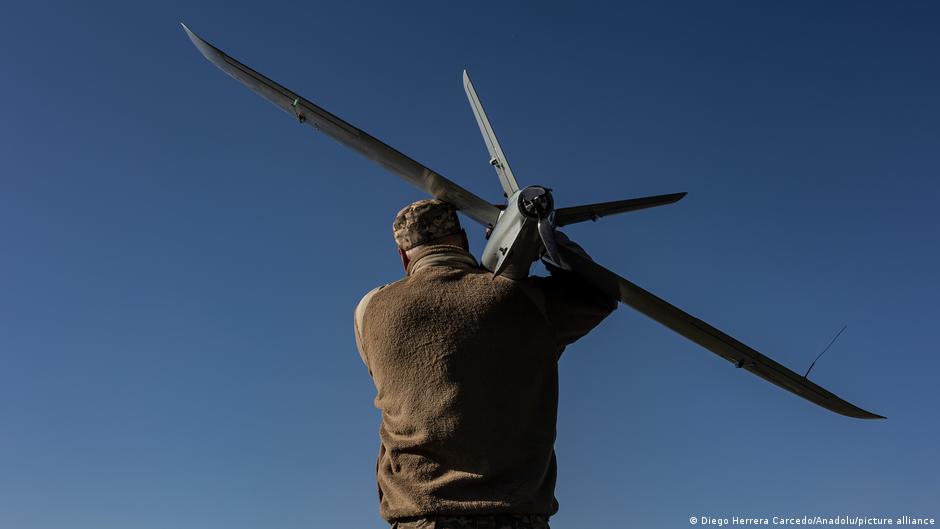
On the night of June 14, several regions in Russia, including Tula, Yaroslavl, and Smolensk, experienced drone attacks that led to fires at major industrial sites. These developments have drawn attention from British and European business communities due to potential disruptions in supply chains and implications for market stability.
Impact on Key Russian Industrial Facilities
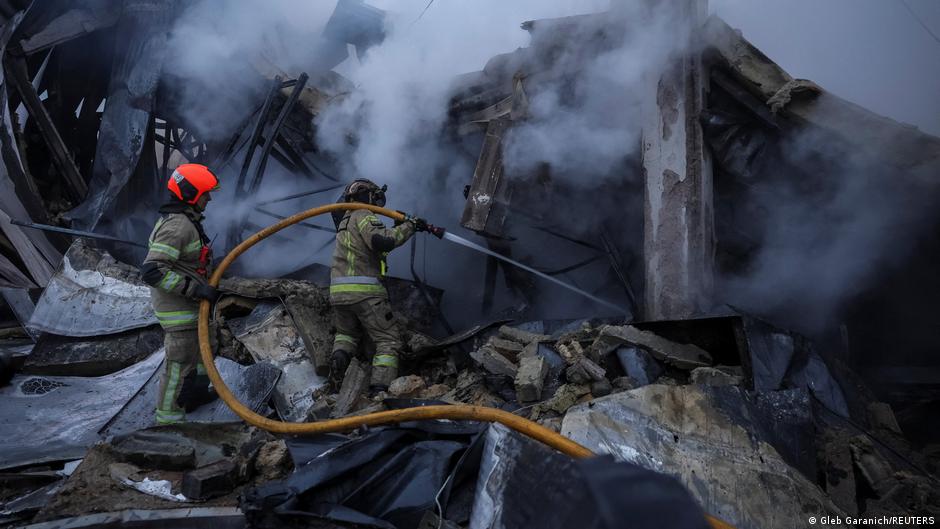
In Tula's Novomoskovsk, fragments of Ukrainian drones reportedly struck one of the city's enterprises, triggering a significant fire. Local authorities have mobilized emergency response teams, although detailed information about the extent of damage remains limited. The affected facility is believed to be the Azot chemical plant, one of Russia's largest producers of nitrogen fertilizers.
The Azot plant's production includes acetic and nitric acids, critical components in manufacturing explosives such as octogen and hexogen, which are used for military purposes. Reuters has previously highlighted the plant's strategic significance amid Russia's ongoing conflict with Ukraine. Disruptions at this facility could reverberate through commodity markets, influencing prices of chemical products important to European agriculture and industry.
In the neighboring Oryol region, air defense systems reportedly intercepted four drones, with no casualties or structural damage reported. However, local residents reported that a drone struck a residential building in Oryol, leading to fires on multiple floors, though official confirmation is pending.
Further fires linked to drone activity were reported in Smolensk's Vyazma and the Yaroslavl region, where transport restrictions were briefly imposed due to aerial threats, according to local officials.
Additionally, Ukrainian monitoring channels have reported an attack on an oil storage facility near Rybinsk, with footage circulating of smoke plumes rising from the site. These incidents highlight the increasing reach of drone operations within Russia's industrial heartland.
Broader Implications for UK and European Markets
These attacks and ensuing disruptions carry significant implications for British and European business interests. Russia remains a major supplier of chemical products and hydrocarbons that feed into European markets. Uncertainty around production stability and transport logistics can exert upward pressure on commodity prices, potentially affecting sectors from agriculture to manufacturing.
"The recent drone strikes on critical Russian industrial infrastructure underscore the vulnerabilities that could ripple through European supply chains, impacting market dynamics and investor sentiment in London and beyond."
London's financial markets, sensitive to geopolitical developments, may witness volatility in commodity-linked equities and currency valuations such as sterling against the ruble. Furthermore, airspace and transport disruptions in Russian regions have caused temporary airport operational restrictions, which could further complicate logistical networks connecting Europe and Russia.
Business leaders and policymakers in the UK and EU are closely monitoring these events, assessing potential risks to trade relations and energy security. Continued instability in Russian industrial outputs may accelerate diversification efforts and reinforce calls for resilient supply chains within European economies.