EU and US Condemn Israel over Treatment of Detained Activists in Gaza Flotilla Incident
Western nations criticize Israel after video showing detained pro-Palestinian activists sparks diplomatic tensions amid London market watch.
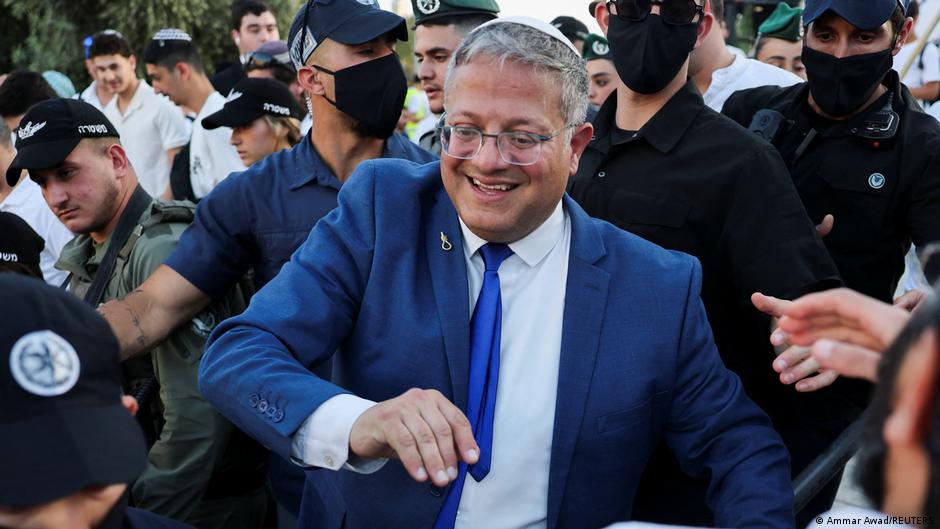
European Union and United States officials have sharply condemned Israel following the release of a video showing detained pro-Palestinian activists from the "Sumud" flotilla. The footage, published by Israeli Minister of National Security Itamar Ben-Gvir, depicts activists with hands tied behind their backs and heads bowed while the minister reportedly shouts nationalist slogans.
Diplomatic Fallout and Market Implications
The video triggered a wave of diplomatic protests from several Western countries, including Italy, France, Canada, the Netherlands, Belgium, Portugal, and Spain. These countries summoned Israeli ambassadors to express their outrage. The incident also drew critical remarks from Poland and Germany, emphasizing the importance of preserving human dignity and adherence to international law.
"Every detainee must be treated in accordance with international law, ensuring their safety and dignity," stated Anuar El-Anuni, official spokesperson for the EU External Action Service.
Polish Foreign Minister Radosław Sikorski condemned the treatment of detained Polish nationals, calling for justice and accountability. German Foreign Minister Johann Wadephul labeled the conduct "absolutely unacceptable" and inconsistent with the shared values Germany and Israel uphold.
Within Israel, Foreign Minister Gideon Sa'ar publicly reprimanded Ben-Gvir, stating that his actions harmed the nation's image and undermined professional efforts by soldiers and diplomats. Prime Minister Benjamin Netanyahu acknowledged Israel's right to prevent provocations in its territorial waters but condemned Ben-Gvir's treatment of the activists as inconsistent with Israeli values.
The incident has captured the attention of European and UK markets due to potential implications for regional stability and political risks. Sterling and London-listed stocks related to defense and international trade have exhibited cautious trading patterns as investors assess the evolving geopolitical situation.
The "Sumud" flotilla, which departed from Marmaris, Turkey, on May 14, was intercepted by Israeli naval forces on May 18 in international waters near Gaza. Organizers report that 428 activists from over 40 countries were detained. This is one of several attempts to breach the Israeli naval blockade of Gaza, with prior efforts involving high-profile figures such as Greta Thunberg.
Israel maintains that the blockade is necessary to counter Hamas, a group designated as a terrorist organization by the EU and US. The recent events underscore ongoing tensions between security concerns and humanitarian activism, with significant ramifications for EU-Israel relations and regional diplomacy.
Financial markets in London and across Europe are closely monitoring developments, considering the potential impact on trade routes, security cooperation, and investor confidence in the region. Analysts note that sustained diplomatic strains could influence sterling volatility and investor sentiment toward firms engaged in Middle Eastern affairs.


