EU-Mexico Trade Deal Boosts Market Access and Spurs Opportunities for UK and EU Businesses
The revamped EU-Mexico trade agreement eliminates tariffs and eases market barriers, signaling benefits for British and European exporters amid shifting global trade dynamics.
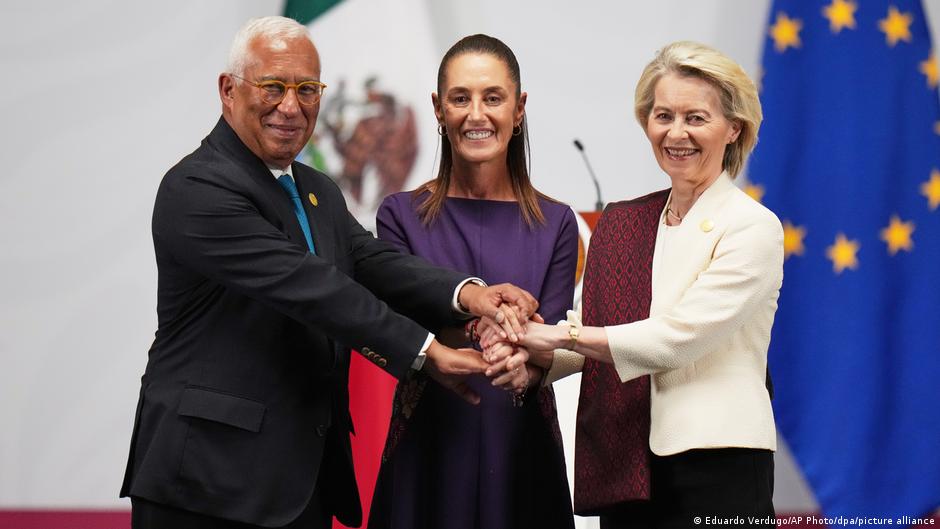
After a decade of negotiations, the European Union and Mexico have finalized a comprehensive trade and cooperation agreement that promises significant market advantages for European exporters, including those in the UK. The deal, signed in Mexico City on May 22, 2024, effectively removes nearly all tariffs on imports from EU countries to Mexico, simplifies bureaucratic hurdles, and opens up government procurement opportunities.
Implications for UK and EU Businesses
This milestone agreement comes at a time when the European Union and its partners are keen to diversify trade relationships following recent global geopolitical tensions and protectionist trends. For the UK, which maintains strong trade ties with both the EU and Mexico, the deal offers pathways to expand exports and solidify presence in Latin American markets, even post-Brexit.
According to the Mexican Ministry of Economy, the new trade framework could increase Mexico's exports to the EU by approximately 50% by 2030, potentially reaching €31 billion annually. The EU currently exports roughly €56 billion worth of goods to Mexico each year, and the total trade volume between the two has surged by 75% over the past decade.
"Given the current geopolitical situation, our partnership is more important than ever," said European Council President António Costa during the signing ceremony.
The agreement guarantees near duty-free access for most products, including Mexican poultry and asparagus, as well as European dry milk, cheese, and pork. While some quotas apply, the arrangement notably safeguards geographic indications such as Parma ham, Bavarian beer, and Tyrolean bacon, ensuring product authenticity and market recognition.
UK Sterling and London Market Reactions
The deal's announcement has been closely monitored by London financial markets, where sterling has shown modest resilience amid mixed signals in broader trade negotiations. Investors view the agreement as a positive indicator for European trade stability and diversification, which could indirectly support the UK's export-driven sectors.
London-based exporters and commodity traders are anticipating improved access to Mexican raw materials and agricultural products, which can be integrated into supply chains for both UK domestic consumption and re-export across Europe.
Moreover, the EU has committed to investing €5 billion in Mexican infrastructure projects, a move anticipated to enhance logistics and trade facilitation. These developments align with the UK's strategic priorities of sustaining robust trade flows and strengthening ties with emerging markets.
Broader Strategic Context
The updated deal also incorporates commitments on climate change, human rights, and international cooperation, reflecting the EU's holistic approach to sustainable and responsible trade. In the context of the Trump administration's previous trade policies and ongoing global economic challenges, the partnership underscores a shared intent to build resilient, diversified trade networks.
Mexico's role as a key manufacturing hub in North America, underpinned by its existing trade agreements with the US and Canada, further enhances the strategic value of this pact for European and British companies seeking stable and cost-effective supply chains.
In summary, the EU-Mexico trade agreement not only fosters closer economic ties but also presents tangible opportunities for UK and EU businesses to expand exports, access vital raw materials, and participate in future growth within Latin America.