EU Summons Russian Envoy Over Missile Strike Near Kyiv Amid Rising Security Concerns
European Union condemns Russia’s missile attack on a Kyiv weapons exhibition, signaling potential expansions of sanctions affecting defense sectors linked to London markets.
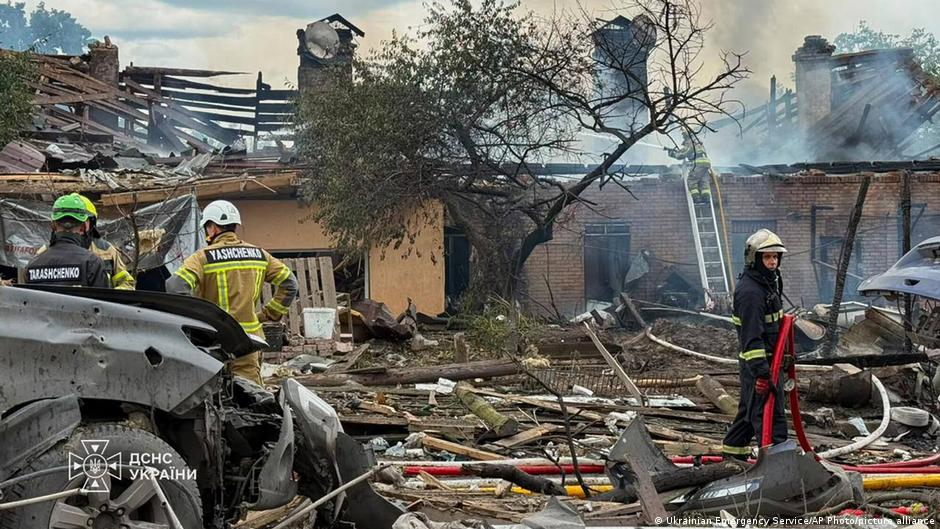
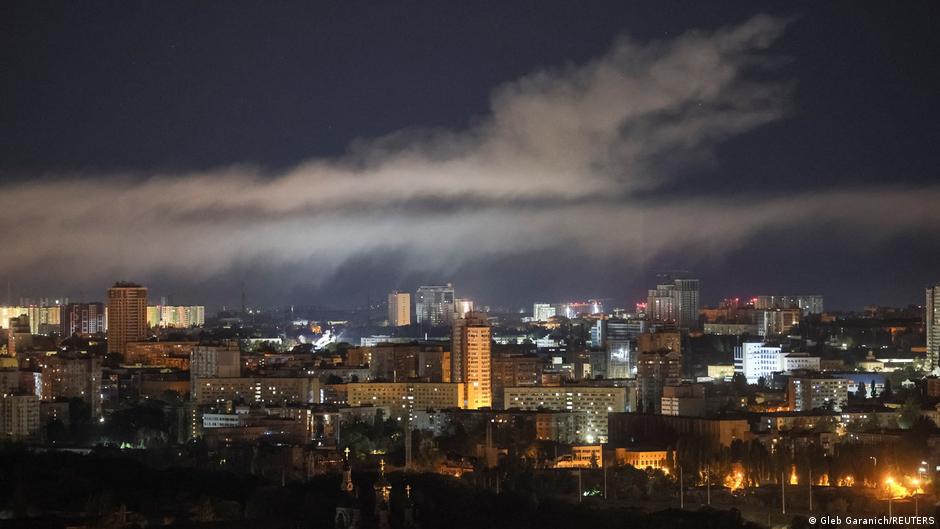
The European Union has summoned the Russian permanent representative to the EU following a missile strike on a weapons exhibition near Kyiv, which also damaged the Latvian honorary consulate in Sloviansk. The attack, carried out by Russian forces using hypersonic Zircon missiles, has escalated tensions and drawn sharp condemnation from EU officials, impacting diplomatic relations and raising concerns for European and British defense industries.
Impact on European Security and Economic Ties
EU High Representative for Foreign Affairs and Security Policy Kaja Kallas denounced the strike as part of a "deliberate policy" of indiscriminate attacks on Ukrainian civilian and diplomatic targets. The EU’s External Action Service intends to deliver a formal protest to the Russian envoy and is preparing to expand sanctions targeting additional enterprises in Russia’s military-industrial complex.
"The attack on the Latvian honorary consulate underscores Moscow's blatant disregard for international law," Kallas remarked, highlighting the EU's resolve to strengthen punitive measures.
The strike targeted a private military testing ground in the Bucha district hosting a drone exhibition attended by leading UAV developers and Ukrainian military officials. Ukrainian authorities reported at least ten fatalities and around one hundred injuries, with investigations underway into the event's organization.
Russian defense officials confirmed the strike, claiming the presence of key UAV developers and Ukrainian special services involved in planning attacks on Russian territory.
Implications for UK and EU Defense Markets
The developments hold particular significance for the UK and European defense sectors, with London’s financial markets closely monitoring the potential ramifications of expanded sanctions on Russian defense-related entities. The UK’s position as a major hub for defense innovation and investment means that any sanctions targeting Russian aerospace and UAV-related firms could influence sterling-denominated assets and supply chains.
Furthermore, Ukrainian President Volodymyr Zelensky outlined ambitious plans to develop drones with ranges up to 10,000 kilometers by 2027, supported by agreements with the United States to establish domestic production facilities. Such initiatives are likely to attract interest from UK-based defense investors and firms involved in drone technology and manufacturing.
These strategic moves underscore the growing role of unmanned aerial vehicles in modern warfare and the importance of robust transatlantic cooperation in advancing UAV capabilities. London’s markets may see increased activity related to defense technology funding, as geopolitical tensions continue to drive demand for advanced security solutions.
The Ukrainian leader also directed the creation of a specialized command within the armed forces to conduct long-range drone strikes deep into Russian territory, a tactic Kyiv deems highly effective in deterring Moscow’s continuation of the conflict.
As the EU and UK navigate the evolving security landscape, the recent missile strike near Kyiv and subsequent diplomatic responses emphasize the complex interplay between geopolitical conflict, international law, and economic interests in European defense sectors.