European Airlines Cut Flights Amid Rising Fuel Costs and Middle East Conflict
Flight cancellations surge as soaring aviation fuel prices impact UK and EU carriers, prompting calls for coordinated action in London and Brussels.
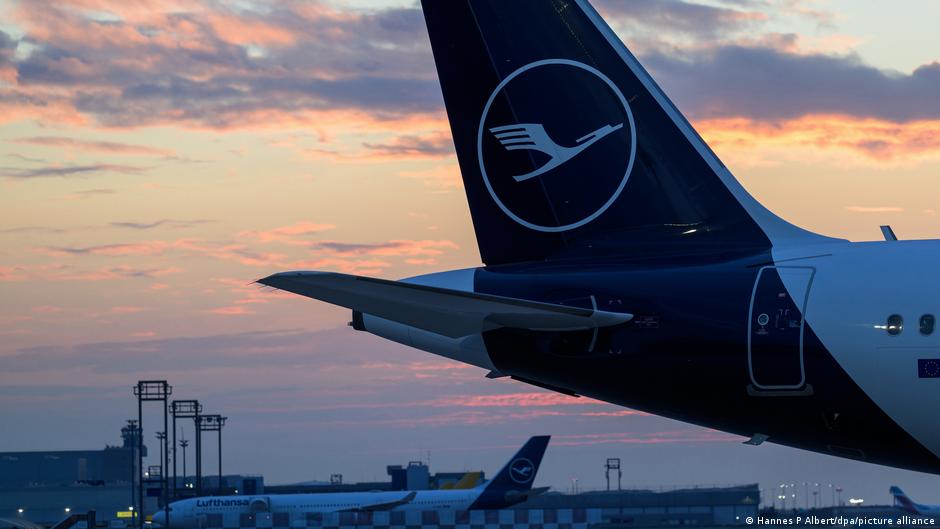
Passengers across the UK and Europe should brace for an increasing number of flight cancellations as rising aviation fuel prices, driven by ongoing conflict in the Middle East, significantly impact airline operations. Industry analysts warn that global airline capacity is expected to fall by around 3% in May, disrupting travel plans and complicating recovery efforts after the pandemic.
Fuel Supply Disruptions and Their Impact on European Aviation
The escalation of hostilities involving Iran has triggered a squeeze on aviation kerosene supplies, particularly due to the blockade of the Strait of Hormuz, a critical chokepoint for Iranian oil exports. The United States and Israel's conflict with Iran has exacerbated these supply challenges, resulting in soaring fuel prices that are forcing airlines to curb their schedules to maintain profitability.
The International Air Transport Association (IATA) has reported that Europe currently holds approximately six weeks' worth of aviation fuel reserves, underscoring the urgency of the issue. However, as supplies tighten, airlines face difficult decisions about route viability and operational costs.
"The shortage of kerosene is likely to cause immediate disruptions, with less busy short-haul routes being temporarily suspended and older, less fuel-efficient aircraft being retired sooner than planned," said the Federal Association of the German Aviation Industry (BDL). They also emphasized that such restrictions could inflict substantial damage on both the German and wider European economies.
"The shortage of kerosene could lead to a significant reduction in flight availability, impacting Europe's connectivity and business activity," highlighted BDL in a recent statement.
Airlines Respond: Flight Cuts Across Europe and the UK
Leading European carriers are already adjusting their schedules in response to fuel price pressures. The Dutch airline KLM has announced it will cancel 80 round-trip flights from Amsterdam's Schiphol Airport throughout May. Similarly, Germany's Lufthansa and the US-based United Airlines have reduced routes, focusing on preserving financially sustainable operations.
For London and the UK aviation market, these developments bring potential ripple effects. Flight reductions may lead to increased airfares due to reduced supply, affecting both business and leisure travel. The sterling could experience volatility as market participants react to the economic implications of diminished connectivity and higher operational costs in the aviation sector.
The fallout also raises concerns about the pace of recovery for the UK and European airline industries, which had been rebounding from the COVID-19 pandemic. With fuel costs now elevated and geopolitical risks intensifying, airlines and regulators face mounting pressure to implement coordinated strategies that balance economic resilience with environmental and operational considerations.
Outlook and Calls for Coordinated Action
Industry bodies like the BDL are urging swift, preferably EU-level, interventions to mitigate the crisis. Coordination between London and Brussels could be crucial in managing fuel reserves, securing supply chains, and stabilising the European aviation market.
Even if the Middle East conflict subsides quickly, Bloomberg reports that infrastructure damage and market disruptions may take months or even years to fully resolve. The UK government and European Union are thus faced with the challenge of safeguarding one of the continent's key economic sectors amid persistent geopolitical uncertainty.
As the situation develops, London’s financial markets will be closely monitoring airline stocks and fuel price movements, with broader implications for the UK's trade and tourism sectors.