Ex-President Radev’s Coalition Leads Bulgarian Parliamentary Elections with Over 40% Support
Rumen Radev’s Progressive Bulgaria coalition secures a commanding lead amid political uncertainty following mass protests.
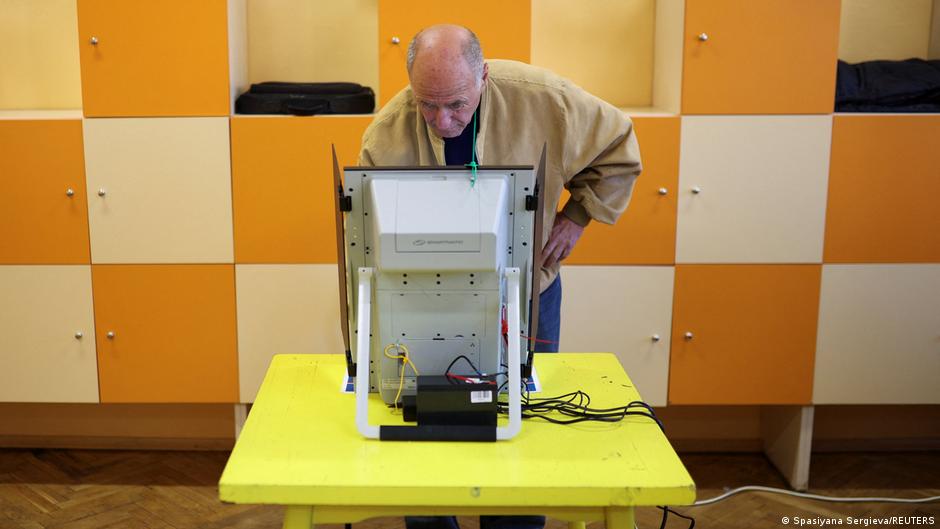
Preliminary results from Bulgaria’s parliamentary elections indicate a strong lead for the left-centrist coalition Progressive Bulgaria, headed by former president Rumen Radev. With around one-third of votes counted, the alliance has garnered approximately 44.6% of the vote, positioning it as the clear frontrunner.
Implications for Bulgaria’s Political Landscape and European Ties
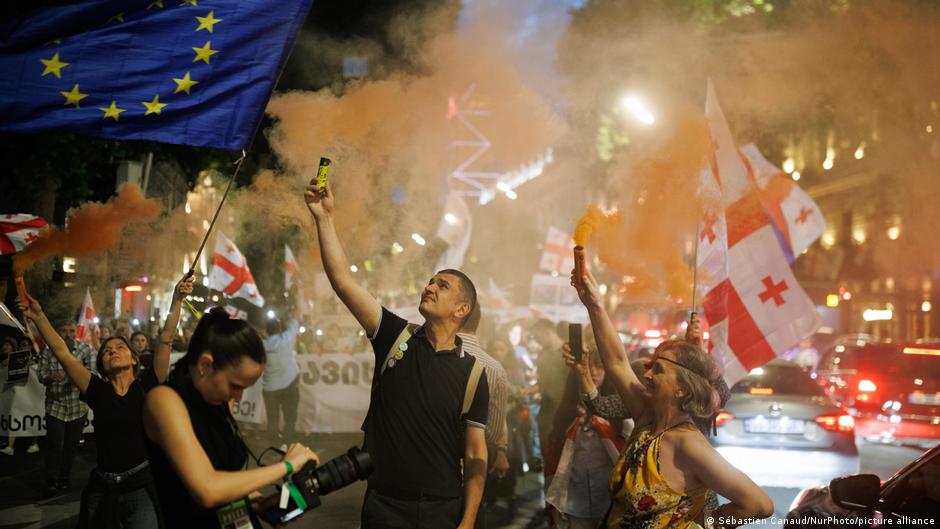
The elections were called following the resignation of the conservative government amid widespread protests demanding an independent judiciary and an end to corruption. Voter turnout stood at 43.4%, signaling considerable public engagement despite political turmoil.
Right-centrist forces, including the Citizens for European Development of Bulgaria (GERB) led by former Prime Minister Boyko Borissov, and the liberal We Continue the Change – Democratic Bulgaria (PP-DB) alliance, secured roughly 12-13% of votes each according to exit polls. Both these groups advocate continued European integration for Bulgaria.
“Radev’s coalition uniquely unites voters concerned both about combating corruption and those with pro-Russian sympathies.”
Radev’s campaign prioritized anti-corruption efforts, resonating with a broad electorate. Notably, his support base includes both citizens favoring stronger ties with Russia and those primarily motivated by the need to address systemic corruption. Additionally, many former supporters of the Bulgarian Socialist Party, the communist successor party that governed for 45 years, have shifted their allegiance to Radev.
Radev’s stance on foreign policy is more cautious; he has advocated reducing military aid to Ukraine, a position which may influence Bulgaria’s role within the EU’s external policy framework.
Consequences for UK and European Business and Markets
The election outcome holds significant implications for British and European economic interests. Bulgaria, as an EU member state on the bloc’s eastern flank, plays a strategic role in regional stability and trade corridors between Western Europe and the Balkans.
London-based investors and companies with exposure to Bulgaria will monitor Radev’s coalition closely, particularly given the alliance’s ambiguous position towards Russia and the potential recalibration of EU defence and economic policies. Sterling has experienced mild fluctuations as markets weigh the prospect of a government with a prominent anti-corruption agenda but complex geopolitical orientations.
Moreover, the election results come at a time when EU cohesion around Eastern Partnership countries is crucial, especially in light of ongoing regional conflicts and energy market volatility. Bulgaria’s political direction will thus influence broader EU policy coherence and the business environment for UK-European trade partnerships.
The coalition’s rise also raises questions about the continuity of reforms aimed at judicial independence and anti-corruption measures, areas of keen interest to European institutions and foreign investors. The effectiveness of these reforms will be critical for maintaining investor confidence and fostering sustainable economic growth.
As Bulgaria prepares to form its new government, stakeholders across Europe, including the City of London’s financial sector, will be watching for signals on the country’s future policy trajectory, alliance commitments, and business climate.