Finland Completes 200km Russia Border Fence as Europe Tightens Security
The NATO member says the barrier is part of border security at the Schengen area’s external frontier in unpredictable times.
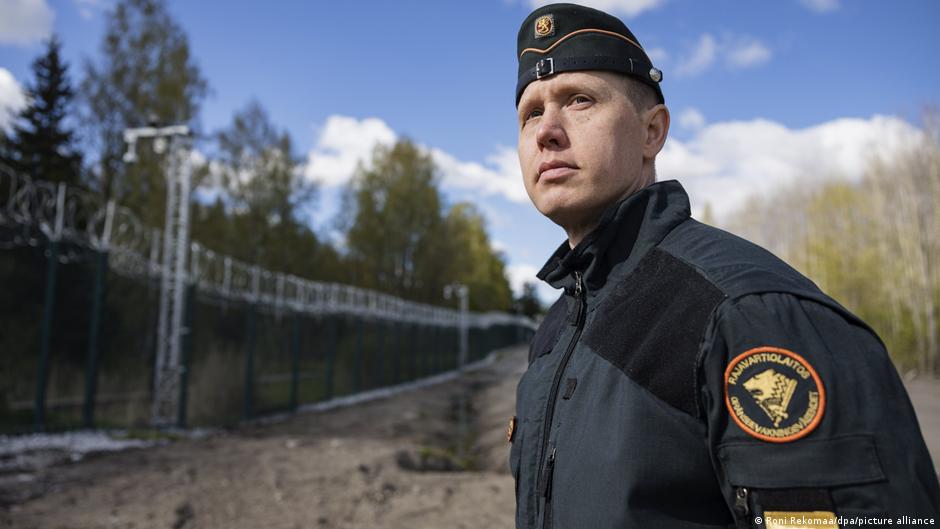
Finland has completed construction of a 200-kilometre barrier along its border with Russia, a major security infrastructure project that underscores the continued recalibration of Europe’s eastern frontier since Russia’s war against Ukraine.
The Finnish Border Guard, part of the security architecture of a NATO member state, said on Monday, 7 September, that the work had been finished. The project is intended to reinforce border control on a frontier that has become more politically sensitive for Finland, the European Union and the wider Schengen area.
For UK and European business audiences, the completion of the fence is another marker of how security policy and infrastructure spending have moved higher on the agenda across the continent. The source report did not cite any immediate sterling move or London market reaction linked to the announcement, but the development sits within the broader geopolitical backdrop watched by investors assessing European defence, infrastructure and border-management priorities.
“The main task of the state is to ensure the safety of its citizens,” Finnish Interior Minister Mari Rantanen said.
Rantanen described the barrier on Finland’s eastern border as “an integral part of an effective border security system in these unpredictable times.” She also said Finland, as a member state of the Schengen area, bears its share of responsibility for security at the bloc’s external borders.
A Schengen Frontier With Business Implications
The barrier is not simply a national project. Finland’s eastern border is also part of the Schengen area’s external boundary, giving the work wider significance for EU border management and the free-movement zone. For companies operating across Europe, the stability of Schengen borders is a practical concern, affecting labour mobility, logistics planning and political risk assessments.
The completed structure consists of a 4.5-metre-high fence, a technical surveillance system, a road network and a 25-metre-wide cleared strip. Finnish officials have described it as one of the largest infrastructure projects in the country.
According to the Finnish Border Guard, hundreds of companies were involved in carrying out the initiative. At construction sites, as many as 600 people and 150 pieces of equipment worked each day. Those details point to the scale of the build-out and to the way European security concerns are translating into substantial domestic infrastructure programmes.
Finland began construction work in March 2023, against the backdrop of Russia’s war against Ukraine. Helsinki was concerned that Russia could use migrants as a tool of pressure against the country. That concern has been part of a wider European debate about hybrid pressure, border control and the vulnerability of external EU frontiers.
The project also follows a period of sharp change in Finland’s relationship with Russia. Finland joined NATO after Russia’s full-scale war against Ukraine reshaped security calculations across northern Europe. The source article identifies Finland as a NATO member and presents the fence as part of a security response to unpredictable conditions along the eastern border.
Local Unease Around a Strategic Project
The source report also noted the local mood around the project. In Imatra, a city near where construction took place, residents were not enthusiastic about the barrier but had come to accept it, Mayor Matias Hilden said in an interview with DW.
“It is a little sad that we need this,” Hilden said.
That reaction captures the tension around the project: a physical barrier presented by officials as necessary for national and European security, but also one that reflects a deterioration in cross-border relations and the end of a more open era along Finland’s eastern edge.
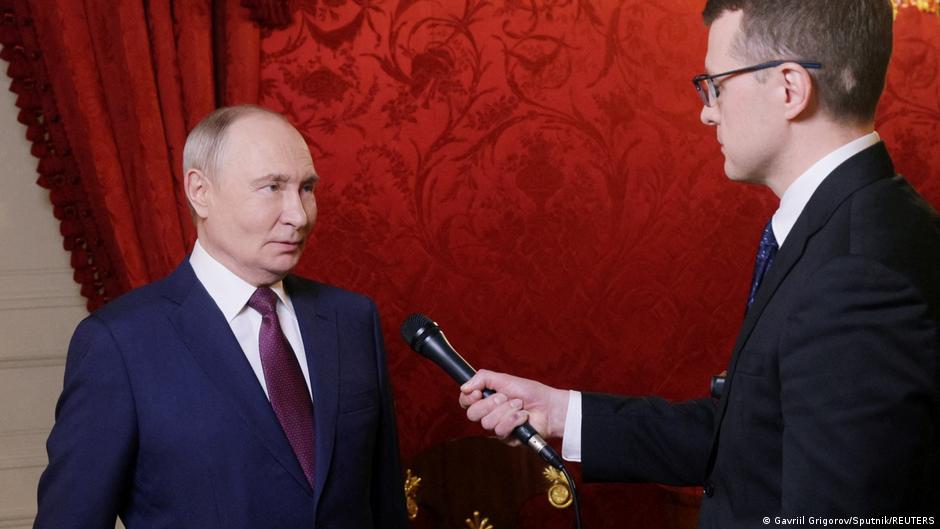
The fence’s completion comes after Finland experienced a large inflow of Russians in September 2022, following Russian President Vladimir Putin’s announcement of a partial mobilisation. The episode contributed to heightened concerns in Finland about border pressure and the potential use of migration in a political confrontation.
For London investors and British companies with exposure to Europe, the announcement is less a single market-moving event than a further signal of persistent geopolitical risk across the region. Defence, surveillance, construction and infrastructure procurement have become increasingly tied to national resilience, while governments in the EU and NATO continue to direct attention and resources toward border security.
The source article does not report any direct effect on sterling, UK equities or London-listed companies. Even so, the broader setting matters for markets: European security spending, the protection of Schengen’s external borders and the management of relations with Russia remain part of the risk landscape for businesses operating in or trading with the continent.
Finland’s government has framed the fence as a necessary component of border security. Its completion adds a visible line to Europe’s evolving security map, one built through a large domestic infrastructure effort and justified by Helsinki as a response to unpredictable times on the EU and NATO frontier with Russia.