Finland Seizes €3.7 Million of Russian Assets Following Naftogaz Claim Amid EU-Russia Tensions
Finnish authorities have confiscated Russian funds tied to a cross-border cooperation project at Naftogaz's request, impacting EU-Russia financial interactions.
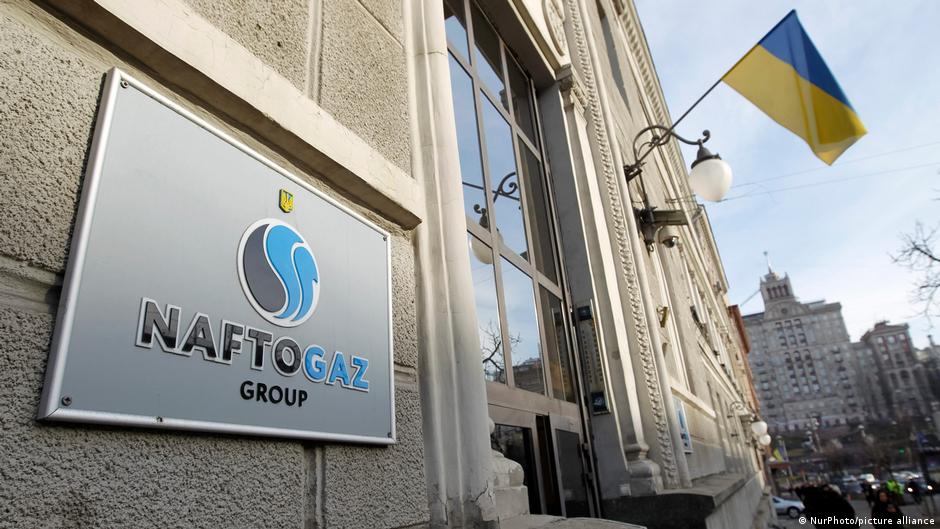
Finland has confiscated approximately €3.7 million of Russian assets at the behest of the Ukrainian state-owned company Naftogaz, marking another step in ongoing legal and financial disputes related to Russia's annexation of Crimea.
The funds seized were originally allocated by Russia to support a cross-border cooperation program between Russia and the European Union, aimed at fostering economic development in the border regions. However, the program ceased operations in 2022 following Russia's invasion of Ukraine, leaving the funds in Finland.
Legal Backdrop and Implications for EU-Russian Relations
Naftogaz's claims are grounded in a 2023 ruling by the Hague arbitration court, which ordered Russian authorities to pay $5 billion for the seizure of Naftogaz’s assets in Crimea. Moscow’s refusal to comply has prompted Naftogaz to pursue asset recoveries in multiple jurisdictions, including Finland.
"Naftogaz is enforcing the arbitration ruling by targeting Russian assets abroad, underscoring the complex intersection of international law and geopolitics in the region."
Finland’s seizure of the funds, which were part of a €3.7 million contribution from Russia to a now-defunct cross-border initiative, reflects the broader European stance on holding Russia financially accountable for its actions in Ukraine.
Previously, Finland had frozen Russian assets worth at least €40 million linked to Naftogaz, including real estate such as the Russian Science and Culture Center’s premises. These moves have raised tensions between Helsinki and Moscow, with Russia denouncing the seizures as illegal and threatening retaliatory measures.
Impact on British and European Markets
The continuing asset seizures contribute to the increasing economic and political decoupling between the EU (including the UK through its close ties with EU financial markets) and Russia. Sterling and London financial centers are closely monitoring developments, as heightened geopolitical risks could influence investment flows and risk assessments concerning Russian assets and counterparties.
London-based investors with exposure to Eastern European or Russian markets are advised to stay alert to further asset freezes or legal proceedings that could affect portfolio valuations. Moreover, the EU’s support for Ukraine’s legal claims signals a unified front that could shape future sanctions and financial regulations, affecting broader market stability.
Finland’s actions also reaffirm the EU’s commitment to upholding sanctions and legal rulings against Russia, which is critical for the credibility of European financial institutions and the protection of lawful international investment claims.
As the geopolitical landscape evolves, British and European businesses must adapt to the shifting regulatory environment that increasingly scrutinizes Russian economic dealings and enforces asset recovery measures aligned with EU foreign policy objectives.