German Economy Faces Recession Risk Amid US Auto Tariff Hike Impacting UK and EU Trade
US tariff increase on EU cars threatens German growth and triggers concerns for British markets and sterling volatility.
The recent announcement by the United States to raise import tariffs on automobiles from the European Union has sparked significant concerns about the economic outlook for Germany, the EU’s largest economy, and by extension, the broader UK and European markets.
Potential German Recession and UK Market Implications
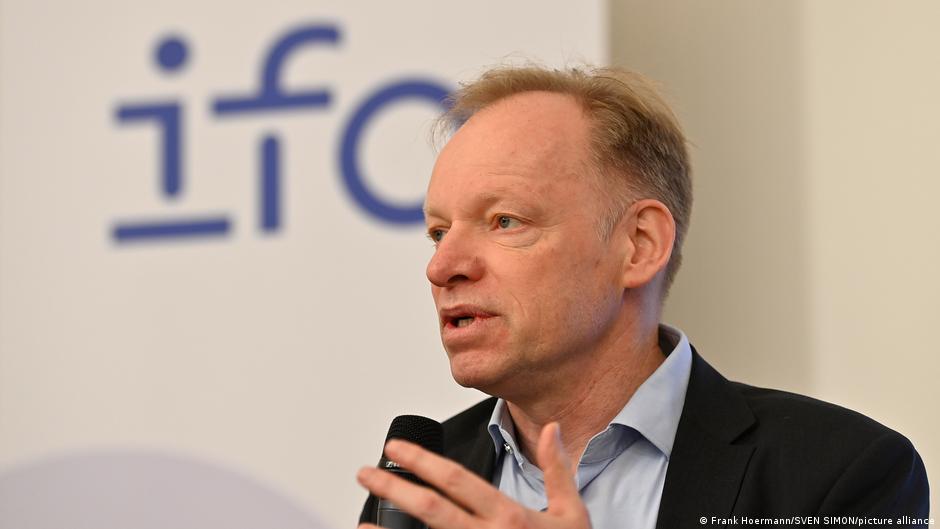
The Munich-based ifo Institute, a leading economic research organization, warned that the imposition of new tariffs could precipitate a recession in Germany as early as 2026 if the EU responds with reciprocal tariffs on American goods. Clemens Fuest, head of the ifo Institute, cautioned that a trade war would have damaging repercussions on German economic growth.
"If this leads to a new trade war, Germany faces a recession in 2026," said Clemens Fuest, underscoring the severity of the situation.
Germany’s automotive sector, a cornerstone of both its economy and the EU’s export profile, stands to be especially hard hit by the planned 25 percent tariff increase on vehicles imported into the US. This development poses indirect risks for the UK, given its close trade ties with both Germany and the EU. London’s financial markets have reacted with increased volatility in sterling and heightened sensitivity to shifts in EU-US trade relations.
Trade Tensions and Sterling Volatility
US President Donald Trump’s directive to raise tariffs follows claims that the EU has failed to adhere to previously agreed trade commitments. The tariffs, set to take effect imminently, exclude vehicles manufactured within the US, aiming to protect domestic production. However, the move is widely seen as a reopening of tensions that had been partially eased by the comprehensive EU-US trade agreement signed in 2025, which had reduced tariffs on European car exports from 27.5 to 15 percent.
Economic advisors in Germany have urged the EU to hold back on retaliatory measures until the tariffs are officially implemented, advocating for a measured approach to avoid escalating a full-blown trade war. Nevertheless, EU policymakers face mounting pressure to defend their industries and maintain market access.
The increased uncertainty has caused fluctuations in sterling, as investors weigh the potential for a broader economic slowdown in Europe. British businesses closely integrated with EU supply chains and markets are particularly vulnerable, and the City of London’s role as a financial hub is under scrutiny amid the evolving trade landscape.
Geopolitical Context and Economic Fallout
The tariff announcement came shortly after President Trump publicly criticized German Chancellor Friedrich Merz, reflecting wider geopolitical strains between the US and Germany. Trump’s admonishment for Germany to prioritize ending the conflict in Ukraine rather than intervening in Iran-related policies adds a further layer of complexity to transatlantic relations.
Ferdinand Dudenhöffer, a German auto industry expert, described the tariff hike as the "start of an economic war against Germany," signaling deep concern about the impact on the automotive sector and the broader economy.
For UK businesses and policymakers, the developments underscore the fragile nature of post-Brexit trade frameworks and the critical importance of monitoring EU-US relations. As the UK navigates its own trade strategy, potential shocks to the European economy could reverberate through British exports, investment flows, and financial markets.