Iran Submits 14-Point Peace Plan to US Amid Middle East Conflict; London Markets Monitor Sterling Impact
Tehran's new peace proposal demands US troop withdrawal and sanctions relief, as London financial markets assess implications for British and European business interests.
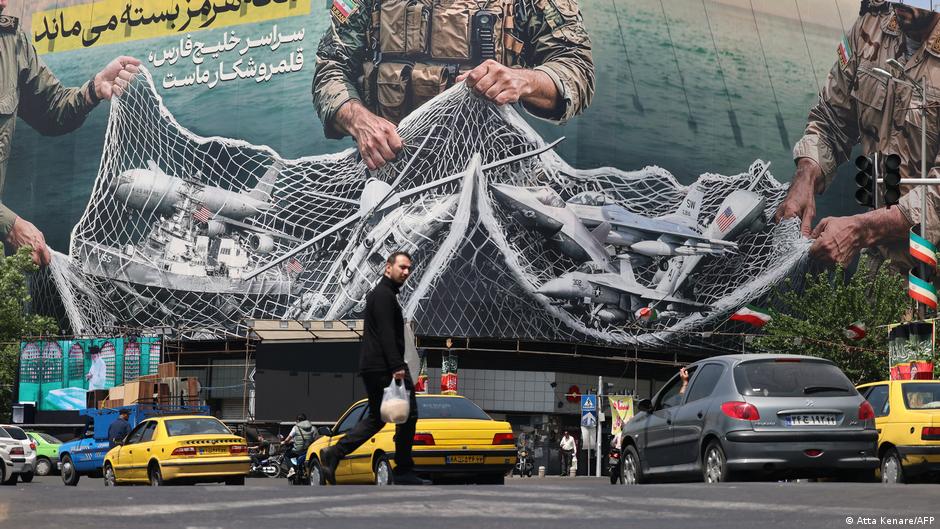
Iran has presented Washington with a comprehensive 14-point peace plan outlining key conditions for ending the ongoing military conflict in the Middle East. The move comes amid heightened tensions following months of hostilities between the United States and Iran, with significant implications for global markets, including those in London and across Europe.
Key Provisions and US Response
The Iranian plan, reported by local news agencies, is a response to an earlier US proposal that called for a two-month ceasefire. Tehran insists that a lasting resolution must be achieved within a month and emphasizes the need to end the war rather than merely extend a truce.
"The focus should be on ending the war, not extending ceasefires," the Iranian proposal stresses.
The 14 points put forward by Iran demand guarantees of non-aggression from the United States, a complete withdrawal of American troops from border regions, lifting of the naval blockade, and the unfreezing of Iranian assets. The plan also calls for reparations for damages caused, the cancellation of sanctions, cessation of hostilities including Israeli attacks on Lebanon, and the establishment of a new operational mechanism for the strategically vital Strait of Hormuz.
US President Donald Trump acknowledged receipt of the Iranian proposal on May 3rd, stating that he would review the document but expressed skepticism regarding its acceptability. Trump noted that Iran had not "paid a high enough price" for its actions over the past 47 years, suggesting a hardline stance remains.
Ongoing Conflict and Regional Stability
The conflict escalated on February 28, 2026, with US and Israeli strikes on Iranian territory, prompting retaliatory attacks on Israel, Gulf states, and American assets. Despite a ceasefire beginning in early April, peace negotiations have stalled, with a single unsuccessful round of talks held in Pakistan on April 11.
Both the naval blockade imposed by the US and the effective closure of the Strait of Hormuz by Iranian forces continue to disrupt regional trade flows, impacting global oil markets and causing volatility in currency and commodity exchanges, including the British pound sterling and European markets.
President Trump officially declared the cessation of hostilities on May 1, notifying Congress that the military actions initiated on February 28 were concluded. However, he underscored that the threat posed by Iran remains significant, and preparations are underway for a prolonged maritime blockade intended to cripple Iran's economy by limiting its oil exports.
Implications for UK and European Business
The extended conflict and ensuing naval blockade bear considerable consequences for British and European energy security and trade. The Strait of Hormuz is a critical maritime chokepoint through which a substantial proportion of global oil shipments pass. Disruptions here lead to spikes in oil prices, affecting inflation and economic stability within the UK and EU.
London's financial markets are closely monitoring sterling fluctuations as investors react to geopolitical risks. Heightened uncertainty over Middle East stability influences currency valuations and commodity prices, impacting British exporters and importers connected to energy sectors.
Furthermore, the EU's broader strategic interests are intertwined with the conflict's trajectory, given Europe's reliance on Middle Eastern energy supplies and its stakes in regional security. The peace plan's demand for sanctions relief and reparations could alter trade dynamics, potentially opening avenues for renewed economic engagement between Iran and European partners.
In this fluid situation, British businesses and policymakers remain vigilant, balancing the prospects of diplomatic resolution against ongoing market volatility tied to the conflict.