US Plans Major Troop Reductions in Germany: Implications for UK and EU Markets
Trump announces plans to cut US military presence in Germany beyond initial figures, raising concerns for European defense and London financial markets.
The United States has announced plans to significantly reduce its military presence in Germany, a move that could have far-reaching consequences for European security and financial markets, particularly in the UK and EU.
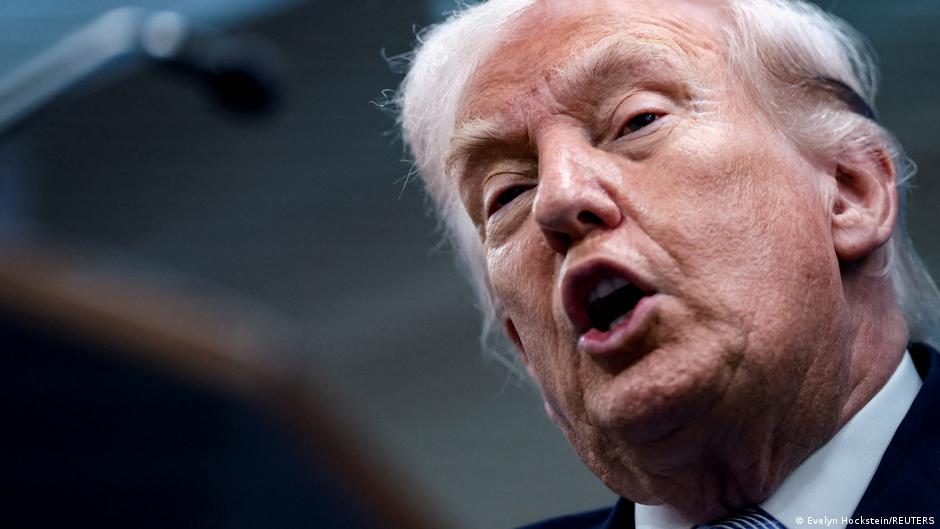
Following an initial directive from the US Department of Defense to withdraw approximately 5,000 troops—about one-seventh of the total stationed in Germany—President Donald Trump declared on May 3 that the reductions would be substantially larger. Speaking to reporters in Florida, Trump stated, "We will reduce the number by much more than 5,000 American soldiers," signaling a deeper drawdown than previously disclosed.
Strategic and Market Reactions in Europe
The planned troop cuts come amid rising tensions between the US and several European NATO allies. Trump also threatened to withdraw forces from Spain and Italy, criticizing their support for US and Israeli actions against Iran. "Italy has not helped us at all, and Spain has been terrible, absolutely terrible," he said, underscoring his dissatisfaction with Europe’s role in Middle Eastern conflicts.
"We remain confident in our ability to deter and defend as we continue this transition toward a stronger Europe within a stronger NATO." — NATO spokesperson Allison Hart
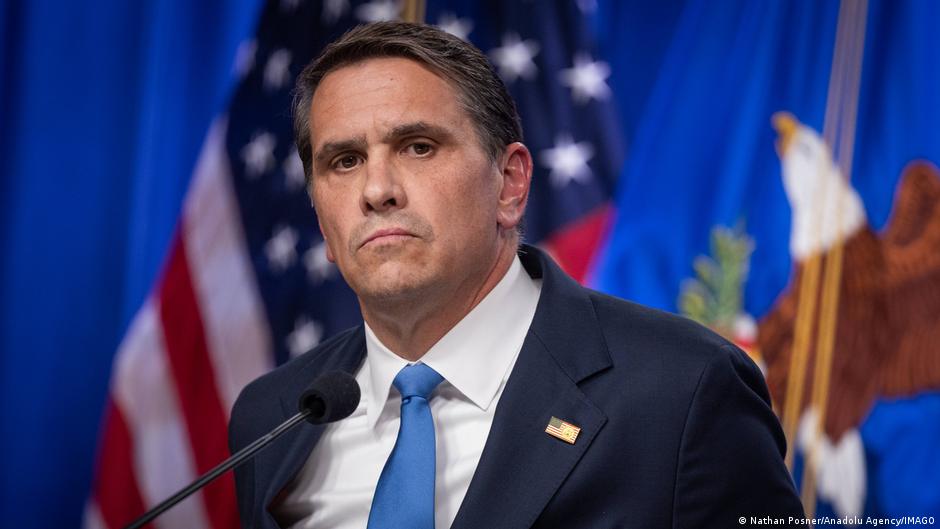
NATO spokesperson Allison Hart acknowledged ongoing consultations with the US to better understand the details of the troop reductions in Germany. She emphasized the alliance’s commitment to maintaining deterrence and defense capabilities, indicating a shift toward greater European responsibility within NATO.
For the UK and EU, the cuts raise complex questions about regional security and defense spending. London's financial markets could be sensitive to any perceived instability resulting from the US scaling back its presence in Europe. The reduction may also impact sterling and euro valuations due to increased uncertainty about NATO's future cohesion.
Context and Scale of US Presence in Germany
As of December 2025, about 68,000 US troops were stationed across European bases, with approximately 36,400 in Germany—making it the largest US military hub in Europe. The US maintains around 20 military sites in Germany, primarily in the southern and southwestern regions. This marks a significant decline from Cold War levels, when approximately 250,000 US soldiers were deployed in Germany during the mid-1980s.
The Pentagon’s spokesman, Sean Parnell, confirmed that the troop withdrawal would take place over 6 to 12 months following a thorough review of US defense posture in Europe. The move reflects a strategic recalibration amid evolving geopolitical dynamics and US-European relations.
However, the announcement stirred political tensions between the US and Germany, with German Chancellor Friedrich Merz criticizing the US for lacking a coherent strategy in the ongoing conflict against Iran. Trump retorted by accusing Merz of supporting Iran’s nuclear ambitions, highlighting discord between two key NATO allies just as the troop reduction plans were revealed.
Implications for UK and EU Business
The potential withdrawal or reduction of US forces in key European countries could prompt EU nations to increase their defense spending initiatives, potentially influencing government budgets and economic policies. For the UK, which maintains its own robust defense apparatus and plays a central role in NATO, the US drawdown may encourage closer collaboration with European partners to fill any security gaps.
Financial markets in London and across the EU are likely to monitor developments closely. Uncertainty over NATO’s future military posture could increase currency volatility and impact investor confidence. The prospect of a more autonomous European defense strategy may also affect trade relations and investment flows between the US, UK, and EU.
Despite previous threats during his first term, Trump’s current intentions mark a significant escalation in troop reduction plans that could reshape transatlantic security frameworks and economic ties. However, Congressional restrictions on military withdrawals may limit the pace and scale of these changes.
As the situation unfolds, British and European businesses will need to assess the risks and opportunities presented by shifting US military commitments in Europe.