German Military Museum Restricts Access to Uzbek and Central Asian Citizens Over Security Concerns
Koblenz Bundeswehr Museum limits entry for Uzbek and other Central Asian nationals amid tightened German security laws.
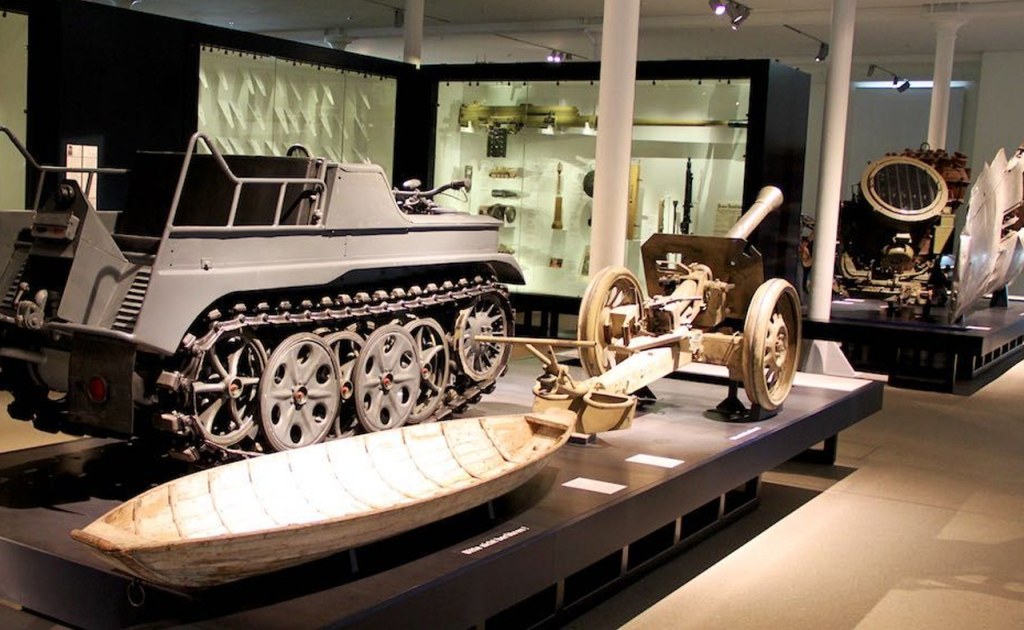
The Bundeswehr Military Technology Museum in Koblenz, Germany, has imposed entry restrictions on citizens from Uzbekistan and several other Central Asian countries due to security regulations that came into effect in March 2025.
Security-Driven Access Limitations Impact Visitors from Central Asia
The museum, known for housing one of the world's largest collections of military equipment, cited German security legislation—specifically requirements related to reliability checks—as the foundation for this decision. Alongside Uzbekistan, nationals from Kazakhstan, Kyrgyzstan, Turkmenistan, and Tajikistan are also subject to these new access controls.
Visitors from countries including Afghanistan, China, Iran, Pakistan, and Syria are likewise affected by similar restrictions, as outlined in official statements. The measures are primarily aimed at ensuring the security of the museum's sensitive exhibits and compliance with national regulations.
Entry to the museum requires presentation of valid identification documents, with tickets priced at 3 euros. The museum boasts an extensive array of military technology, spanning from World War I artifacts such as the FT-17 tank to modern combat vehicles like the Leopard 1 and Leopard 2 tanks. Additionally, NATO prototype models, firearms, artillery systems, and various armored vehicles are on display.
"The restrictions are implemented in accordance with Germany's security laws to maintain the integrity and safety of the museum's collections," a museum representative explained.
From a UK and broader European business perspective, the restriction of Central Asian nationals raises questions about the implications for cooperative cultural and defense-related exchanges. London’s financial markets, which are increasingly intertwined with Eurasian economies, might see indirect effects if such security measures contribute to a broader atmosphere of caution around cross-border collaborations.
The Bundeswehr Museum serves as a key institution for historical military education and technology showcase in Europe. While these security-driven access limitations may affect the visitor demographics, the museum continues to represent a vital link in the cultural and historical understanding of European military heritage.
For British businesses and European interests engaged in Central Asia, these measures underline the complexities of balancing security concerns with open cultural and economic engagement. As Germany tightens entry for certain nationals, there may be ripple effects on diplomatic and commercial ties that London-based entities monitor closely.
Based on reporting by Deutsche Welle.