Germany Accelerates Long-Range Weapons Development Amid Russian Iskander Threat to Europe
Following the US refusal to deploy Tomahawk missiles in Germany, Berlin boosts indigenous and European defence projects, impacting UK and EU security dynamics.
Germany has announced plans to expedite the development of its own long-range precision weapons systems in response to the threat posed by Russian Iskander missile deployments in the Kaliningrad region. This strategic pivot comes after the United States decided against stationing Tomahawk cruise missiles on German soil, a move with significant implications for European and UK security interests.
Implications for British and European Defence Strategy
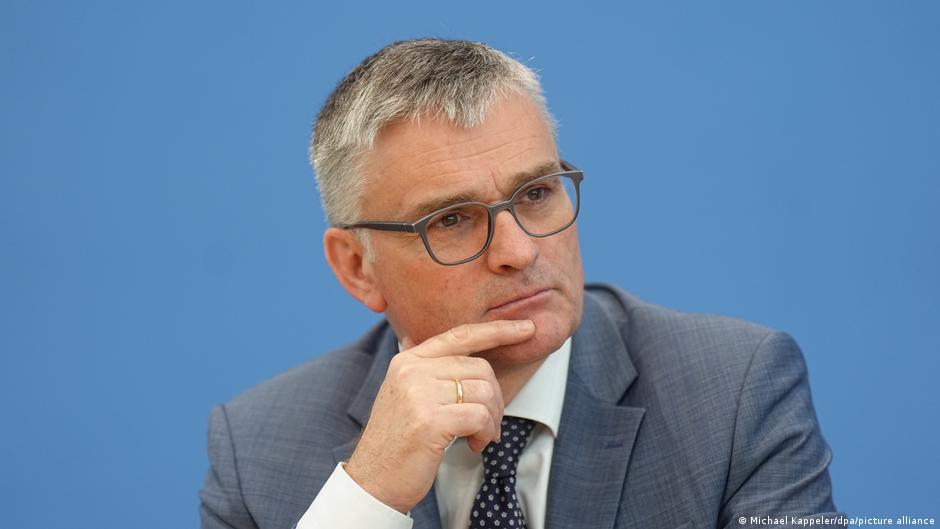
At a press briefing on May 4, German government spokesman Stefan Kornelius emphasized the urgency of strengthening deterrence capabilities. "We must now focus on accelerating indigenous long-range strike systems to avoid any gaps in our deterrence posture," he stated. The initial plan to host US Tomahawk missiles in Germany was always intended as a temporary measure, Kornelius explained, highlighting a broader European initiative called the European Long-Range Strike Approach (ELSA), which aims to develop collaborative high-precision weapons across the continent.
"The deployment of Russian Iskander systems in Kaliningrad and elsewhere presents a direct threat to Europe, which our defensive strategy seeks to nullify," Kornelius said.
The ELSA program reflects concerns within the EU and NATO that Russia's growing arsenal of long-range weapons could undermine regional stability. The German Defence Ministry confirmed ongoing efforts to enhance German and European deterrence capabilities, including modernization of the TAURUS cruise missile and development of drone technology. These measures are critical with assessments suggesting Russia might have sufficient military capacity to threaten NATO countries by 2029.
For the UK, Germany's accelerated focus on indigenous weapons programs underscores the need for close collaboration within NATO and the EU to maintain a credible deterrent. London’s defence industry may also find opportunities to engage with German and European partners in developing cutting-edge missile systems, ensuring sterling-linked supply chains and innovation networks remain robust amid shifting security dynamics.
US-German Relations and London Market Impact
German Chancellor Friedrich Merz confirmed on May 3 that the US will not be deploying Tomahawk missiles in Germany due to US military requirements. This decision — rooted in a 2024 agreement between then-US President Joe Biden and then-German Chancellor Olaf Scholz — initially aimed to signal deterrence against Russia amid the Ukraine conflict.
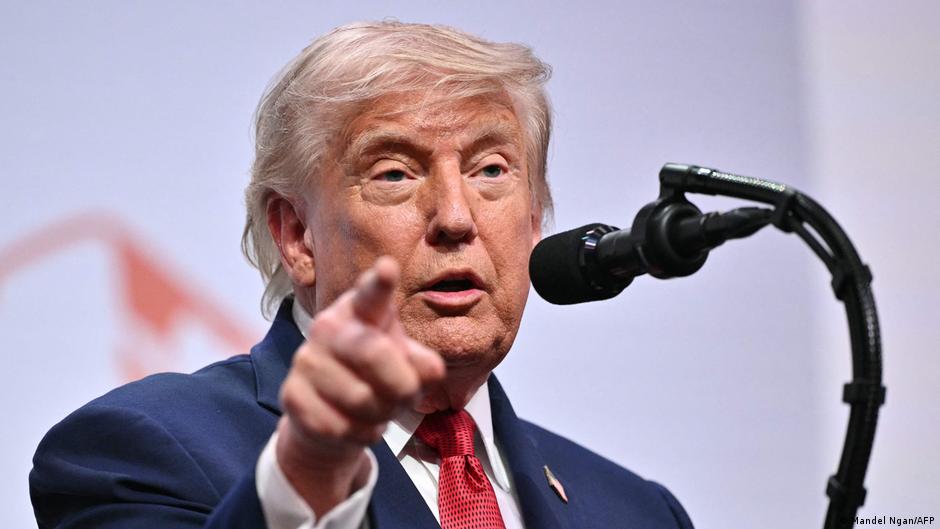
However, this US withdrawal leaves a void that Germany and its European allies are now eager to fill independently. Conservative German politicians, including Bundestag foreign policy expert Roderich Kiesewetter from the CDU, criticized the Trump administration's earlier refusal to station Tomahawks in Germany as a "huge mistake," warning that the shortage of American medium-range missile systems jeopardizes European security directly.
Kiesewetter advocated for intensified defence collaboration with Ukraine and the joint development of medium-range missile systems to be operational by 2030. Such a strategy aligns with broader UK and EU security objectives to deter Russian aggression without overreliance on US military assets.
Financial markets in London have taken note of Germany’s defence acceleration, with sterling showing sensitivity to geopolitical developments influencing European security. Enhanced European defence capabilities could recalibrate investment flows in defence technology sectors, potentially benefiting UK-based arms manufacturers and technology firms involved in transnational projects.
Conclusions and Future Outlook
Germany’s decision to expedite its long-range weapons development, alongside the ELSA initiative, marks a significant shift toward European strategic autonomy in defence. For the UK and EU, this pivot reinforces the importance of deepening collaborative defence innovation to maintain a credible deterrence posture against Russian threats.
As the geopolitical landscape evolves, London’s financial and defence sectors stand to be pivotal players in supporting and benefiting from these enhanced European defence efforts, while also navigating the complexities arising from US strategic recalibrations.