Germany to Transfer 'Nord Stream' Gas Power Plant to Ukraine Amid Energy Realignment
The decommissioned German gas power plant supporting Nord Stream will be handed to Ukraine as humanitarian aid on a self-pickup basis.
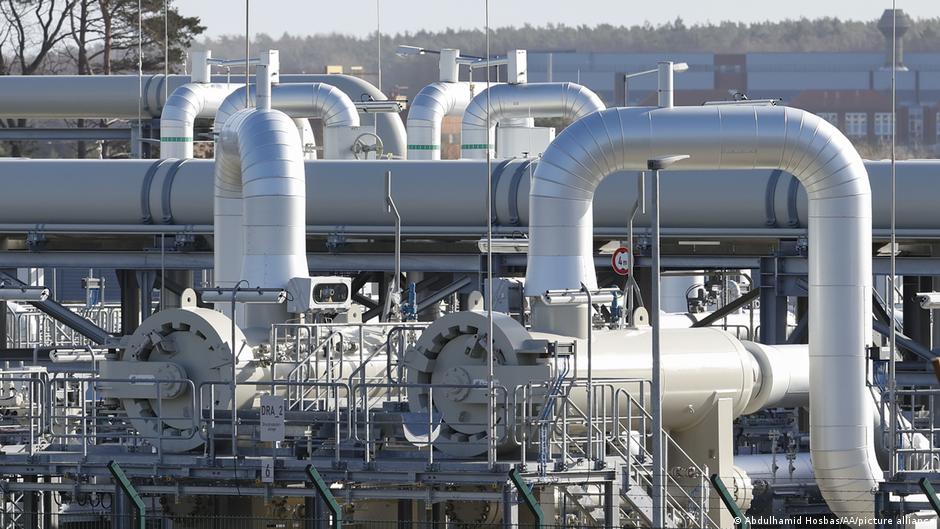
Germany is set to transfer a gas-fired combined heat and power (CHP) plant, formerly servicing the Nord Stream gas pipeline, to Ukraine as a part of humanitarian aid, according to the German energy company Sefe Securing Energy for Europe (Sefe), formerly a Gazprom subsidiary.
The power station, located in Lubmin near Greifswald and owned by Industriekraftwerk Greifswald GmbH (IKG), played a key role in providing technological heat necessary for the operation of the Nord Stream pipeline, feeding Russian gas into the German gas transport network. It has a capacity of approximately 84 MW of heat and power.
Impact on UK, European Energy Markets, and Sterling
The Nord Stream pipeline was suspended following Russia’s dramatic reduction and ultimate cessation of gas supplies in summer 2022. Subsequently, the pipeline suffered severe damage from explosions, and Nord Stream 2 was never commissioned amid the ongoing conflict in Ukraine. Germany has since committed to phasing out Russian gas imports entirely.
After the cessation of Russian gas deliveries under the Baltic Sea in September 2022, continuing to operate the Lubmin power station became economically unviable. With no alternative consumers for the station’s heat output, operations ceased completely in 2023. Attempts to find a buyer for the plant were unsuccessful.
"This arrangement is economically sensible for us, as it avoids dismantling or scrapping costs while supporting Ukraine's energy infrastructure," said a Sefe spokesperson.
For the UK and European business sectors, the transfer of this power plant underscores the ongoing energy realignment triggered by geopolitical tensions. London’s financial markets have recently been attentive to the sterling’s performance amid energy uncertainty and supply chain shifts.
The relocation of this asset is expected to have minimal direct impact on UK energy supplies but may influence broader European energy resilience strategies, which in turn affect investor confidence and currency strength. The UK continues to monitor European energy infrastructure developments closely, as they bear on regional stability and market dynamics.
This transfer symbolizes a tangible pivot away from Russian energy reliance, reinforcing EU and allied efforts to diversify energy sources, improve infrastructure, and support Ukraine’s energy needs during wartime.
Germany’s decision to hand over the Lubmin power plant on a self-pickup basis to Ukraine not only demonstrates solidarity but also reflects pragmatic economic considerations. It avoids costly decommissioning while aiding Ukraine’s power generation capacity amid ongoing conflict.
Overall, this asset transfer is emblematic of the shifting energy geopolitics in Europe, with lasting implications for regional markets, energy security policies, and financial instruments tied to energy commodities and currencies.