Renewed Iranian Missile and Drone Attacks on UAE Raise Concerns for UK and EU Energy Security
Iran’s first strike on the UAE since US-Iran ceasefire prompts condemnation and market uncertainty impacting London and European interests.
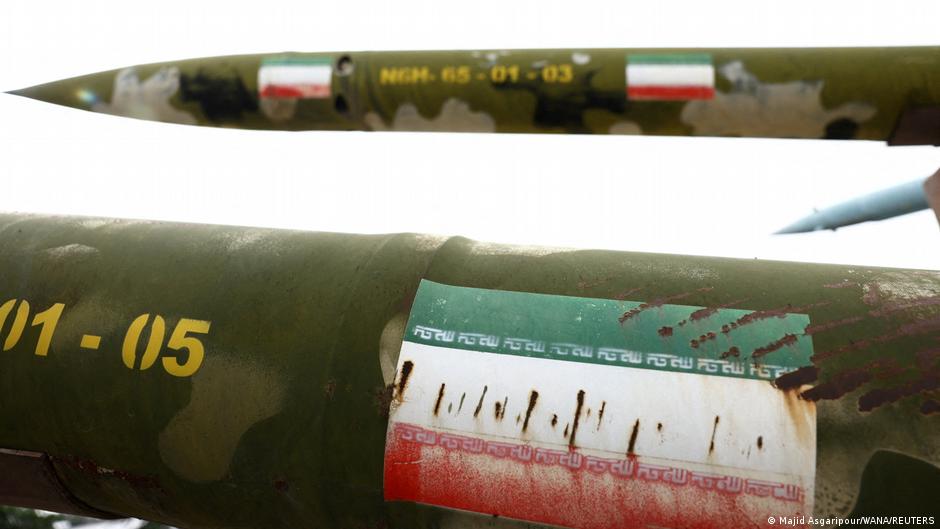
The United Arab Emirates (UAE) reported a resurgence of Iranian missile and drone attacks, marking the first such assault since the US-Iran ceasefire agreement took effect last month. This escalation has heightened tensions in the Gulf region, with significant implications for British and European energy security and international markets.
Implications for UK and European Energy Markets
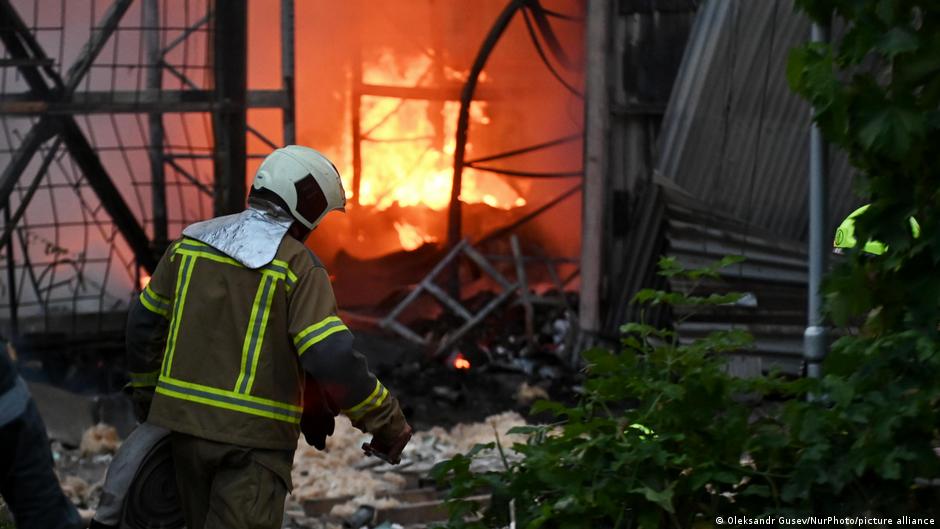
On May 4, the UAE’s air defense intercepted 19 projectiles—including 12 ballistic missiles, three cruise missiles, and four drones—launched from Iranian territory toward Emirati targets. The strikes hit the oil industrial hub near Fujairah, causing a fire and injuring three Indian nationals who were hospitalized. In response, UAE authorities suspended in-person schooling nationwide from May 5 to 8.
The Gulf region is a critical artery for global oil shipments, with the Strait of Hormuz channeling nearly a fifth of the world’s petroleum. The renewed hostilities threaten to disrupt supplies, pushing energy prices upward and increasing market volatility. British and European economies, reliant on stable energy imports, are particularly vulnerable to such disruptions.
“The attacks represent a dangerous escalation,” stated the UAE foreign ministry, affirming the country’s right to respond. Meanwhile, Tehran denies any intention to target the UAE, with Iranian state media quoting a senior military official saying there were "no plans" for the attack.
"The blockade of the Strait of Hormuz must end. Tehran must abandon nuclear weapon development and cease threats to our partners," emphasized German Chancellor Friedrich Merz, highlighting European concerns over regional stability.
Germany’s condemnation reflects broader European unease, with the Chancellor urging Iran to return to negotiations and stop holding the region hostage. The EU’s economic interests hinge on maintaining peace and secure energy routes, while the UK faces direct exposure through London’s financial markets and sterling currency fluctuations.
US responses have included destruction of Iranian boats and deployment of naval escorts under "Project Freedom" to safeguard shipping lanes in the Strait of Hormuz, actions Tehran warns could breach the ceasefire. The ongoing volatility underscores the precarious balance affecting international trade and investment confidence.
London’s financial sector, a global hub for energy derivatives and commodity trading, reacted with heightened caution. Sterling experienced slight depreciation amid investor concerns about geopolitical risks and potential energy supply shocks affecting inflation and growth prospects.
As the UK and EU monitor developments, the priority remains securing energy imports and ensuring market stability in the face of renewed Iranian aggression. Continued diplomatic engagement and coordinated security efforts will be crucial to mitigating wider economic fallout across Europe.