Greece Massively Denies Schengen Visas to Russian Tourists, Impacting UK and EU Travel Markets
Greece's visa refusals to Russian applicants surge amid EU restrictions, affecting travel flows and London’s currency markets.
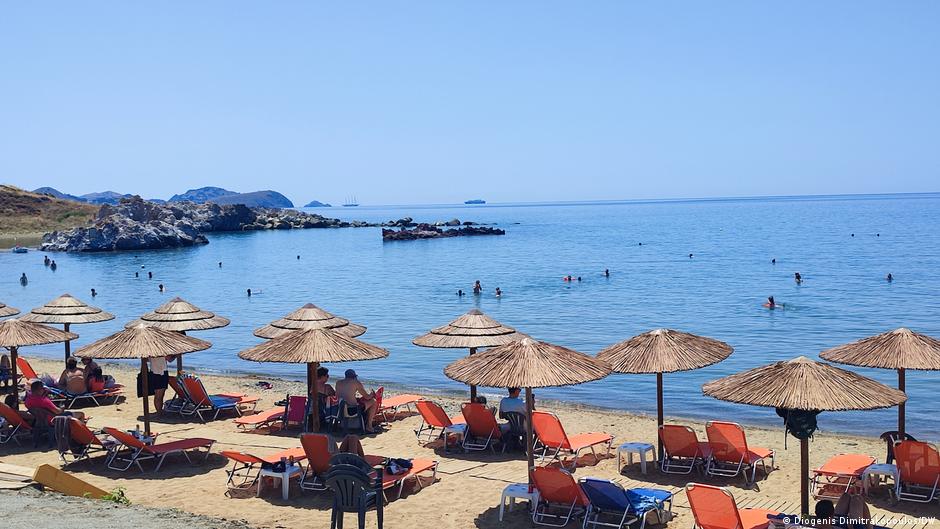
Greece has sharply increased refusals of Schengen visa applications from Russian citizens, with rejection rates reaching as high as 50% for tour operator clients and nearly 70% for independent travelers during peak seasons. This development is attracting attention within UK and European business circles due to its implications for cross-border tourism, currency movements, and London’s financial markets.
Visa Rejections Surge Amid New EU Security Measures
The Association of Russian Tour Operators (ATOR) reported on July 29 that Greece has begun mass refusals of Schengen visas to Russian nationals. Some Russian tour operators have seen denial rates climb to 50% for visa applications to Greece, while independent tourists face even higher rejection rates, approaching 70% in some cases.
These refusals have occurred despite travelers fully prepaying for trips and having confirmed accommodation arrangements in Greece. In one notable instance, an applicant with documented property ownership in Moscow and strong bank statements was denied a visa twice. Russian tour companies note that such a large volume of direct refusals has not been observed previously, though they remain uncertain about the underlying reasons.
Official 2025 statistics indicate that Greece issued approximately 59,000 visas to Russian nationals, with 41.6% being multiple-entry visas. However, 11.2% of applications were rejected, exceeding the Schengen zone average of 6.4%. For comparison, Russian citizens overall received over 620,000 Schengen visas in 2025, a 10% increase from the previous year, with application numbers rising by 8.4% to 674,000.
Despite these increases, the share of multiple-entry visas granted to Russians plummeted from 57% to 12% in just two months following the European Commission’s decision to tighten visa issuance rules due to security concerns stemming from the ongoing conflict in Ukraine.
“Previously, travelers could use a single multiple-entry visa for several years; now they must apply for permissions more frequently,” explained ATOR, highlighting the impact of new regulatory measures.
Consequences for UK and European Business and Markets
These visa restrictions resonate beyond Greece and Russia, influencing broader UK and EU business interests. British travel agencies and airlines catering to Russian tourists may experience disruptions amidst reduced travel flows to southern Europe.
Currency markets in London have also felt the effects, as diminished Russian outbound tourism reduces demand for sterling and euro-denominated services. The downward revision of multiple-entry visa availability increases transactional uncertainties and may contribute to volatility in foreign exchange rates linked to travel and hospitality sectors.
Furthermore, the visa rejections align with shifts in Schengen visa distribution across Europe. Nearly three-quarters of Russian visa applications in 2025 targeted France, Italy, and Spain. France notably increased its visa issuance to around 173,000, up nearly 30% from the previous year, while Italy reduced Russian visa issuance by 5.8%, and Spain’s numbers remained steady.
The European Commission’s November 2025 ban on multiple-entry visas for Russians underscores the EU’s security priorities but also forces travelers to seek visas more frequently, straining diplomatic consular resources and complicating travel planning.
For London’s financial markets and European stakeholders, these developments present both challenges and opportunities. Travel industry firms may need to adapt to shifting demand patterns, while currency traders monitor how geopolitical tensions and travel restrictions influence sterling and euro valuations.