Russian Strikes Hit Ukraine Regions as Europe Watches Energy and Trade Risks
Attacks on Kyiv, Odesa and Mykolaiv regions damaged logistics, housing, warehouses and power infrastructure, keeping supply-chain risk in focus for Europe.
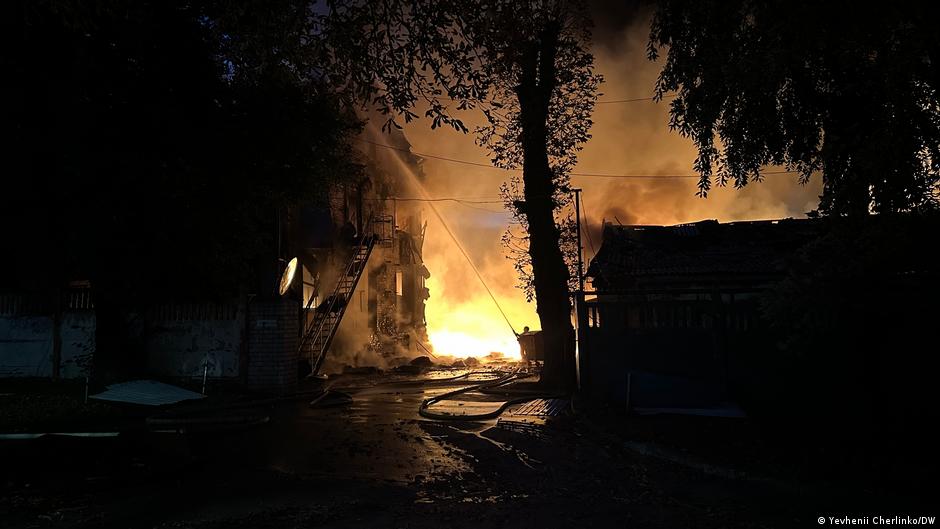
Russian forces attacked parts of Ukraine on the evening of 12 September and overnight into 13 September, striking the Kyiv and Odesa regions as well as the southern city of Mykolaiv, according to local authorities. The reported damage included a branch of the delivery company Nova Poshta in the Odesa region, warehouse facilities in the Kyiv region, a residential high-rise in Odesa and energy infrastructure in Mykolaiv.
For British and European businesses, the latest strikes are another reminder that the war continues to carry direct commercial consequences beyond Ukraine’s borders. The reported damage touched logistics, warehousing and power supply, three areas closely watched by companies involved in regional trade, insurance, transport, agriculture and energy markets. While Ukrainian officials did not report fatalities from the Kyiv region attacks, two people were injured in the strike on the Nova Poshta facility in the Odesa region.
The attacks came as European policymakers and investors continue to assess the economic cost of the conflict, including risks to Black Sea trade routes, Ukrainian export capacity and energy security across the continent. London markets tend to follow such developments through the lens of commodity prices, defence spending, insurance exposure and sterling’s sensitivity to broader European risk. The source reports did not provide any specific market moves in London or movements in the pound linked to the latest attacks.
Logistics and warehousing damage raises business concerns
In the Odesa region, a drone attack in the evening hit a Nova Poshta branch, injuring two people, according to Oleg Kiper, head of the regional military administration, and representatives of Ukraine’s State Emergency Service. Kiper said the building’s facade, glazing and a cargo vehicle were damaged.
“The facade of the building, glazing and a cargo vehicle were damaged,” Kiper said, according to the report.
Nova Poshta is one of Ukraine’s best-known delivery operators, and damage to its facilities carries symbolic and practical significance. For companies working with Ukrainian suppliers, humanitarian groups moving goods inside the country, and European partners involved in reconstruction planning, attacks on delivery and storage infrastructure underline the fragility of domestic logistics networks under wartime conditions.
In Odesa itself, a multi-storey residential building was damaged in an attack, according to Serhiy Lysak, head of the city military administration. The report said this was already the second hit on an apartment block in the city within a single day. Odesa remains strategically important because of its role as a Black Sea port city and its connection to wider trade flows that matter to European food security and shipping markets.
For UK and EU businesses, the Odesa region is not only a war zone but a node in a wider economic map. Disruption there can influence perceptions of risk around marine insurance, freight planning and grain-related trade. The latest report did not state that port facilities were hit in this attack, but damage in the wider region adds to the continuing security burden around Ukraine’s southern economy.
Kyiv region warehouses damaged as air defences operate
In the Kyiv region, the regional military administration said warehouse premises were damaged in the Boryspil district on the evening of 12 September, and a fire broke out as a result of strikes. In the Brovary district, a warehouse and a private house were damaged.
Kyiv Mayor Vitali Klitschko also reported that air defence systems were operating and urged residents of the capital to remain in shelters. The Kyiv regional military administration also reported air raid alerts in different parts of the region overnight through its Telegram channel. According to the report, no information had been received about deaths or injuries in connection with those attacks.
The damage to warehouses is likely to attract attention from European firms assessing continuity of supply in Ukraine and neighbouring markets. Warehousing capacity is central to both commercial trade and humanitarian logistics, particularly as the country continues to operate under repeated aerial attacks. For British companies with exposure to Ukraine through distribution, aid procurement, construction materials or food supply chains, such incidents can affect risk assessments even when they do not directly involve UK-owned assets.
London-listed insurers, logistics groups and commodity traders often monitor developments in Ukraine for signs of wider disruption. However, the available reports on these strikes gave no figures for financial losses, cargo damage, insurance claims or trading interruptions, and did not indicate any immediate reaction in London financial markets.
Mykolaiv power infrastructure hit
In Mykolaiv, an evening attack on energy infrastructure left several districts of the regional centre partially without power, according to Heorhii Reshetilov, head of the local regional military administration. He wrote on Telegram that energy workers would begin restoring electricity supply as soon as the security situation allowed work to start.
“As soon as the security situation allows work to begin, energy workers will start restoring electricity supply,” the post said.
Reshetilov later wrote that the air alert had ended, and then reported that it had resumed. The sequence reflects the instability faced by emergency services and repair crews working under the threat of renewed attack.
Energy infrastructure remains one of the most economically sensitive targets in Ukraine. For Europe, attacks on Ukrainian power systems matter because they affect industrial resilience, public services, humanitarian needs and the country’s ability to sustain production through the autumn and winter. For the UK and EU, which have committed political and financial support to Ukraine, repeated strikes on electricity infrastructure may also feed into discussions about aid, reconstruction financing and equipment supply.
Sterling’s direct reaction to individual wartime incidents is often difficult to isolate without market data, and the report did not provide any exchange-rate figures. Still, the broader risk environment created by continued Russian attacks remains relevant for currency and equity investors in London, especially when incidents touch energy, logistics or trade infrastructure. The pound can be influenced by European growth expectations, energy costs and geopolitical risk, making Ukraine’s infrastructure security a continuing background factor for UK markets.
The latest reported strikes therefore carry significance beyond the immediate damage. They show how Russia’s aerial campaign continues to pressure civilian infrastructure, logistics networks and regional power supply. For Ukraine, the consequences are local and urgent: injured civilians, damaged homes, fires, broken glass, disrupted warehouses and power outages. For Britain and the European Union, the same events reinforce the commercial and strategic risks tied to a war that remains embedded in the continent’s economic outlook.