Hungary Reinstates Ban on Ukrainian Agricultural Imports Affecting UK and EU Markets
Hungary reverses temporary lifting of import ban on Ukrainian farm products, impacting sterling and London market sentiment amid broader EU trade concerns.
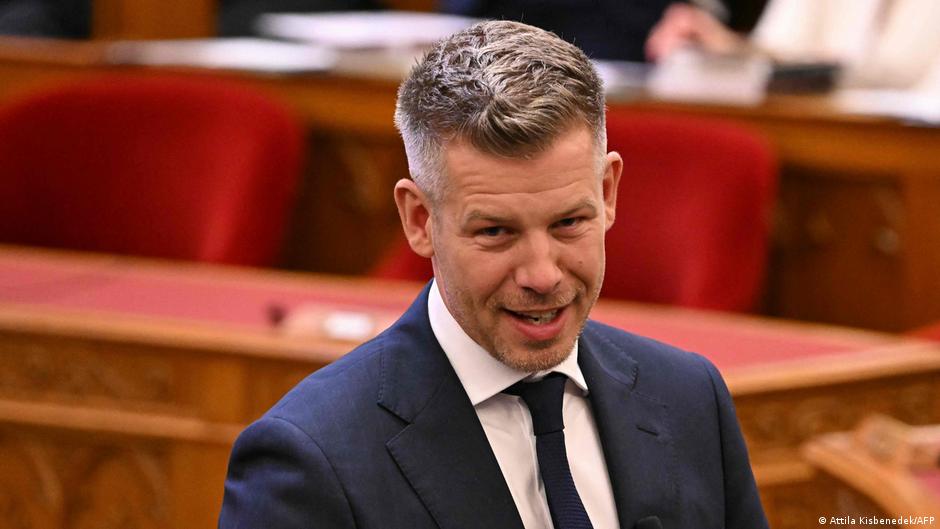
Hungary’s new government has announced the reinstatement of a ban on Ukrainian agricultural imports that had been accidentally lifted due to a procedural oversight following a change in government. The move has significant implications for British and European markets, particularly given the ongoing sensitivities around trade with Ukraine and the impact on sterling and London’s financial markets.
Reinstatement of Import Ban on Ukrainian Agricultural Products
On May 22, Hungary’s new Prime Minister, Péter Medgyessy, confirmed via social media the government’s decision to restore the import restrictions on Ukrainian agricultural goods. This ban was originally introduced in April 2023 by the previous administration under Viktor Orbán amid extraordinary measures designed to protect domestic farmers.
The ban had been unintentionally lifted on May 14, 2026, due to procedural changes following Hungary’s government transition, causing a brief hiatus of just over a week. Hungarian officials described the lifting as a “legislative error” and stressed urgent steps to reinstate the ban swiftly.
The restrictions target approximately 20 categories of agricultural products, including beef, pork, poultry, eggs, grains, flour, sunflower oil, and rapeseed oil. Agriculture Minister Szabolcs Bona has indicated that honey may also be added to the list. These measures aim to shield Hungarian farmers from competition that threatens their livelihoods.
"We will not allow Ukrainian imports to threaten the means of subsistence of Hungarian farmers," said Minister Bona.
Broader Implications for UK and EU Trade
Since the full-scale invasion of Ukraine by Russia in early 2022, the European Union has lifted tariffs on Ukrainian agricultural imports to support the Ukrainian economy. However, this policy has generated discontent among farmers in neighbouring countries, including Hungary, Poland, and Slovakia, leading these nations to impose temporary import bans.
The reinstatement of Hungary’s ban adds another layer of complexity for the EU’s agricultural trade landscape. For the UK, which maintains significant trade relations with both Hungary and Ukraine, the decision could influence import dynamics, supply chains, and sterling’s performance amid investor concerns over stability in the region.
London markets may experience increased volatility as traders reassess the potential ramifications of renewed trade barriers within the EU and their ripple effects on commodity prices and trade flows. This underscores the challenges facing UK businesses navigating post-Brexit relations with EU member states and neighbouring countries.
Hungary Withdraws Notification to Leave International Criminal Court
In a related development with political and diplomatic resonance, Hungary’s Prime Minister also declared the withdrawal of the country’s previous government’s notification to exit the International Criminal Court (ICC). The withdrawal reverses a controversial April 2025 decision that would have taken effect approximately a year later.
Hungary originally announced its ICC withdrawal on the day Israeli Prime Minister Benjamin Netanyahu visited Budapest, a move widely interpreted as intended to prevent his potential arrest under an ICC warrant issued earlier. The ICC, based in The Hague, prosecutes grave crimes such as genocide and war crimes, and all EU member states remain signatories to the Rome Statute establishing the court.
This reversal signals Hungary’s intent to maintain alignment with European legal frameworks, which is likely to be viewed favorably by EU partners and could bolster investor confidence in the region.
Outlook for UK-EU Agricultural and Legal Relations
Hungary’s renewed import ban on Ukrainian agricultural products illustrates ongoing tensions within the EU regarding trade policy and regional agricultural protections. For the UK, keen to sustain strong trade partnerships with the EU and neighbouring countries, these developments highlight the need to monitor evolving policies that may affect supply chains and diplomatic relations.
Moreover, Hungary’s decision to remain in the ICC underscores a commitment to international legal cooperation, which may positively influence perceptions of political stability in Central Europe—an important consideration for UK-based investors and businesses with interests in the region.
As the UK continues to navigate its post-Brexit economic landscape, the interplay of EU internal policies and external alliances remains a critical factor shaping market confidence and sterling’s trajectory.