Iran Replenishes Missile Stockpile with Possible Russian Aid Amid Middle East Tensions
Iran has restored about three-quarters of its pre-conflict missile arsenal, reportedly with new Russian-made weapons, affecting global security and markets.
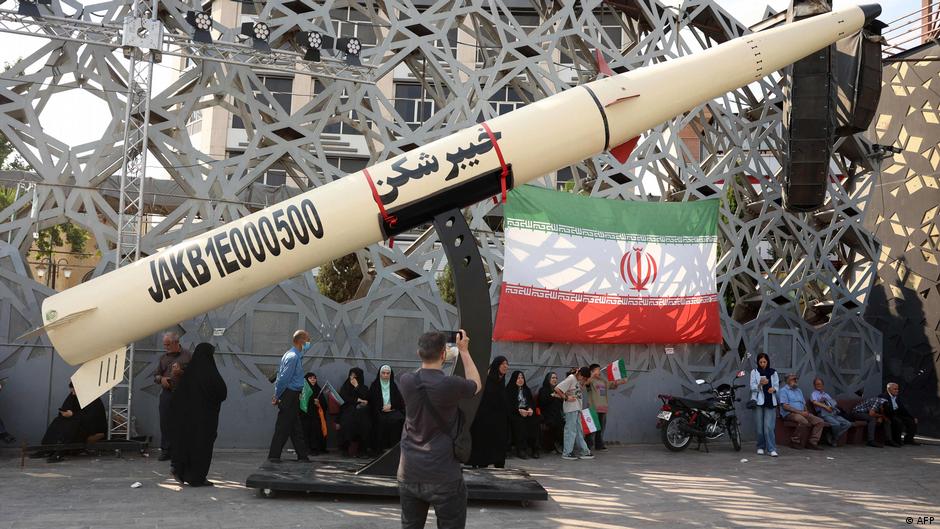
Iran is reportedly capable of producing weapons even during wartime, and Russia may have supplied it with new missiles, according to a Bloomberg report citing Western intelligence sources. The report indicates that Iran's missile arsenal has not significantly diminished since March despite ongoing conflict and military strikes.
Strategic Implications for Britain and the EU
During a recent ceasefire between Iran and the United States, lasting approximately eight weeks, Russia is said to have provided Tehran with new military hardware, including unspecified Russian-made missiles possibly manufactured within the past year. These developments suggest that Iran has been actively restoring its missile capabilities to maintain sufficient firepower for potential retaliatory strikes should hostilities resume.
"Iran used the ceasefire to replenish its missile stockpile to nearly three-quarters of its pre-escalation levels," Bloomberg sources revealed.
This replenishment has critical implications for British and European interests. The Strait of Hormuz, a vital maritime chokepoint for global energy supplies, remains vulnerable to disruption. Iran’s ability to sustain and even enhance its missile arsenal could threaten shipping lanes crucial to the EU and UK energy security, potentially impacting sterling and London’s financial markets due to increased risk premiums in oil and gas sectors.
US President Donald Trump previously claimed that Iran’s missile inventory had been reduced to about 21-22% of its original volume prior to US and Israeli military actions. However, intelligence assessments now suggest a quicker recovery, contradicting earlier estimates that pegged Iran’s arsenal at 60% capacity during the peak of conflicts in March.
Many ballistic missiles and launchers were reportedly buried under rubble in underground storage facilities. The ceasefire period likely allowed Iranian forces to clear and relocate these weapons, preserving much of their offensive capabilities.
Kelly Grillo, a senior fellow at the Washington-based Stimson Center, noted that Iran’s production of inexpensive Shahed drones continues with relative ease, complicating efforts to fully degrade Tehran’s military assets. The persistence of a sizable missile and drone arsenal complicates strategic decisions for the US and its allies, including the UK and EU members, on whether to resume strikes.
Adding to the geopolitical uncertainty, President Trump announced plans in mid-June to sign a peace agreement with Iran, which would include the reopening of the Strait of Hormuz, alleviating some global fuel supply concerns. However, Iran has denied any agreement set for that date, leaving negotiations ongoing and market reactions cautious.
For London’s financial markets, these developments represent a potential source of volatility. The risk of renewed regional conflict could drive up oil prices, impacting inflation and currency valuations. UK and European policymakers remain watchful as they balance diplomatic engagement with preparedness for potential supply chain disruptions.
Conclusion
The restoration of Iran’s missile capabilities, possibly aided by Russia, underscores the fragile security environment in the Middle East. For the UK and European Union, the situation demands careful monitoring due to its direct impact on energy security, trade routes, and financial market stability. As negotiations continue without clear timelines, the London market and sterling remain sensitive to any shifts in the geopolitical landscape surrounding Iran.