Israeli Airstrikes on Iran Escalate Tensions Amid US Peace Talks Impacting UK Markets
Israeli strikes on Iranian targets raise regional tensions, influencing sterling and London financial markets amid ongoing US-Iran peace negotiations.
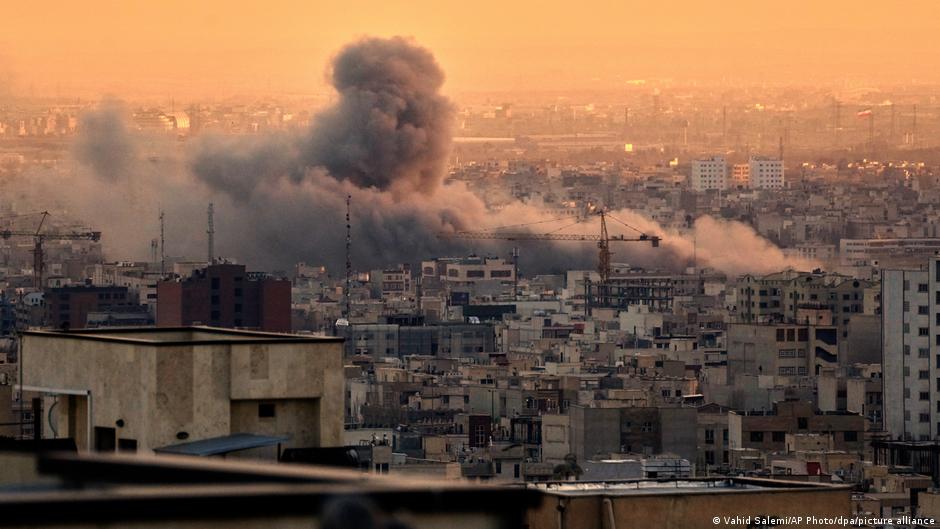
On Monday, June 8, Israeli Defense Forces (IDF) launched airstrikes targeting sites in western and central Iran in retaliation for Iranian missile attacks on Israeli territory. The escalation follows recent rocket strikes by Iran on Israel, marking a dangerous intensification in the long-standing regional conflict.
While the Israeli military confirmed the air raids via social media, specific details regarding the targeted locations remain undisclosed. The prior Iranian missile barrage prompted nationwide alerts in Israel, including calls for civilians to seek shelter and the cancellation of school activities across the country.
Regional Conflict and International Diplomatic Efforts
The exchanges come against a backdrop of broader geopolitical maneuvering involving the United States and its allies in Europe, including the UK. Iranian officials characterized Israel's earlier strike on a Hezbollah site in Lebanon as a "warning," with Israeli leadership emphasizing that their operations focused on "terrorist headquarters" in Beirut.
US President Donald Trump has publicly affirmed his intent to broker a peace agreement with Tehran, emphasizing in a June 7 Financial Times interview that Israeli Prime Minister Benjamin Netanyahu would accept any deal aligned with Washington's terms. However, Trump retains significant control over diplomatic decisions, stating, "All decisions are made by me. He (Netanyahu) does not make decisions."
"The United States is prepared to engage in a deal only if Iran abandons its nuclear weapons ambitions," Trump said, underscoring the non-negotiable conditions for peace.
Reports from the American news outlet Axios suggest that negotiators from both the US and Iran have reached a preliminary framework agreement aimed at ending hostilities that intensified in late February. Nevertheless, definitive peace remains elusive, with Iranian officials indicating that no final accord has yet been achieved.
Implications for UK and European Business and Sterling
The recent military flare-ups have sparked volatility in global markets, with sterling and European equities experiencing fluctuations amid heightened geopolitical risk. London’s financial sector remains closely attuned to developments, given the UK’s strategic economic ties to both the Middle East and US policymaking.
British businesses engaged in energy, trade, and defense sectors face potential disruptions as uncertainty persists in the region. Energy prices continue to be sensitive to the conflict, impacting inflation and investment sentiment across Europe. The prospect of a US-Iran peace deal is viewed positively by many in London’s financial community, offering potential stability, though ongoing military actions temper optimism.
Financial analysts stress the importance of monitoring diplomatic outcomes closely, noting that any prolonged conflict could exacerbate risks to sterling, European markets, and supply chains linked to Middle Eastern oil.
In the meantime, the UK government and business leaders are likely to advocate for diplomatic resolutions to secure regional stability and safeguard economic interests tied to both the US and EU partnerships.