Italy’s Foreign Minister Cancels US Visit Amid Diplomatic Fallout with Trump
Antonio Tajani calls Trump’s remarks about Italian PM Meloni ‘serious and offensive’, impacting UK and EU diplomatic ties.
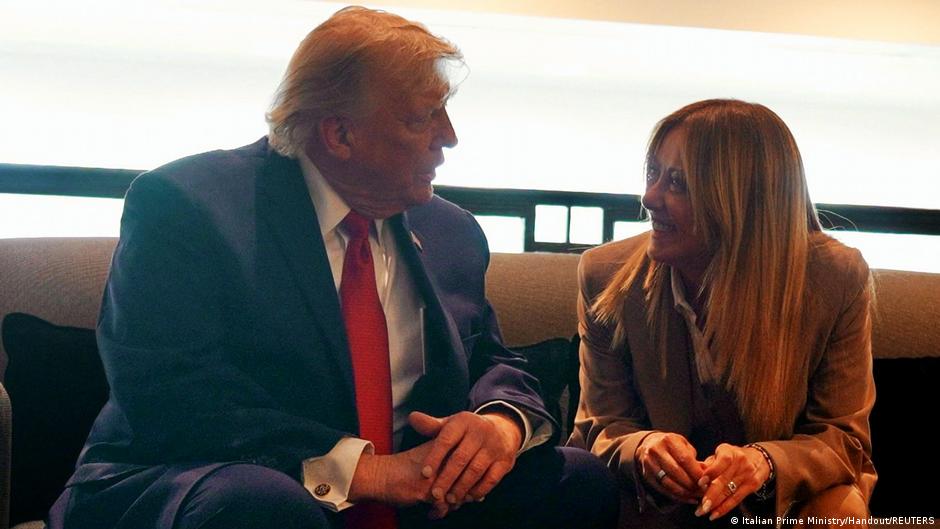
Italy’s Foreign Minister Antonio Tajani has cancelled a planned visit to the United States following controversial remarks made by former US President Donald Trump about Italian Prime Minister Giorgia Meloni. The cancellation underscores rising diplomatic tensions that could carry repercussions for British and European business interests amid already complex transatlantic relations.
Diplomatic Strain Over Trump’s Comments
Tajani was scheduled to attend an Italo-American forum focused on business, investment, science, and innovation in Miami on June 21 and 22. The event was expected to be a platform for fostering closer economic cooperation between Italy and the US, which would indirectly influence the broader EU business environment and London’s financial markets. However, following Trump’s statement that Meloni ‘begged’ him for a photo opportunity at the G7 summit in Évian-les-Bains, France, Tajani described the remarks as "serious and offensive" and announced the cancellation on his social media.
“Serious and offensive statements by President Trump against Prime Minister Giorgia Meloni are an insult to all of Italy,” Tajani said.
Trump’s comments, broadcast during a phone interview with Italian TV channel La7, portrayed Meloni in a dismissive light, suggesting she sought his approval for a joint photograph. Meloni herself expressed shock and disappointment at Trump’s behaviour, questioning why the former US president treats allies with such disregard. She also noted his relative leniency towards perceived adversaries of the West, contrasting it with his approach to European partners.
“Neither I nor Italy ever beg,” Meloni stated firmly in response, emphasising national dignity and sovereignty.
The episode reflects a broader chill in Italy-US relations under Trump’s rhetoric, with prior incidents including his criticisms of Pope Leo XIV, which Meloni publicly condemned as unacceptable. These tensions culminate at a time when the UK and EU are closely watching transatlantic alliances, vital for trade, investment, and financial market stability.
Implications for UK and European Markets
While the immediate fallout is bilateral between Italy and the US, the diplomatic rift has wider implications for European business interests. London, as a major financial hub linking US and European capital, may face increased volatility due to uncertainty in European diplomatic cohesion. Sterling and euro markets often react sensitively to political discord within the EU bloc, especially involving key member states like Italy.
British investors and multinational corporations with stakes in both the US and Italy will monitor these developments closely, as strained relations could affect cross-border investments and policy coordination on economic and security issues. The cancellation of Tajani’s participation at the Miami forum also removes a critical opportunity for EU-US dialogue on innovation and trade partnerships at a time when global supply chains and geopolitical alignments are under strain.
As the UK continues to redefine its strategic positioning post-Brexit, maintaining stable EU-US relations remains a priority. Events such as this incident highlight the delicate balance of diplomacy and the potential for individual leaders’ rhetoric to affect broader international business climates.
In conclusion, Tajani’s cancellation signals a notable rupture that European and British stakeholders should monitor closely. The path forward will require careful diplomatic navigation to prevent further disruption to transatlantic economic ties and to uphold the stability of financial markets in London and across Europe.