Latvian President Warns NATO to Prepare for Possible Escalation with Russia Ahead of Summit
Edgars Rinkevics emphasizes need for increased military capabilities and strong transatlantic cooperation amid rising tensions
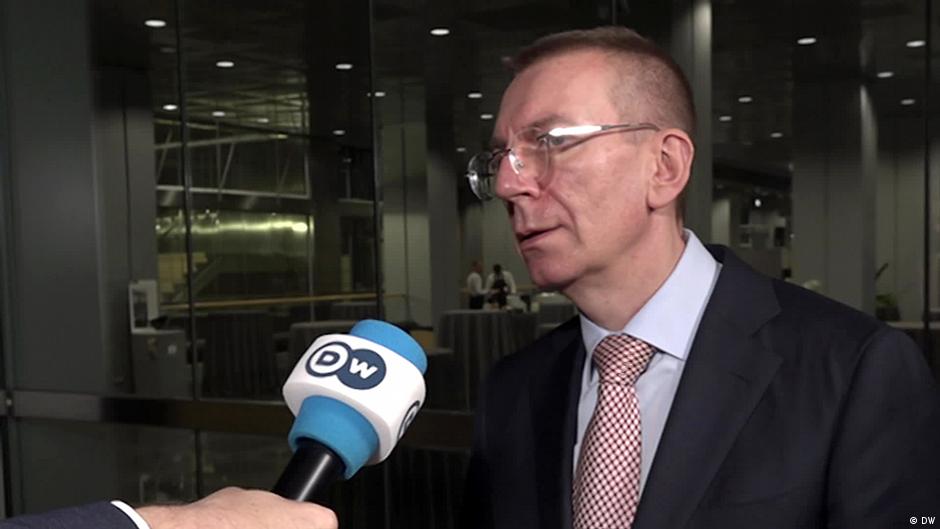
Latvian President Edgars Rinkevics has urged NATO members to prepare for a potential escalation in conflict with Russia, warning that European defense spending and military capacities remain insufficient. Speaking ahead of the NATO summit in Ankara, Rinkevics called for a clear and proportional response to any direct challenges from Moscow.
NATO’s Readiness and European Defense Challenges
In an interview on July 3, Rinkevics underscored that NATO must be ready for scenarios where Russia intensifies its war efforts and openly confronts the alliance. He stressed the importance of signaling to the Kremlin that any aggression against NATO would be met with a proportional response.
“If Russia challenges NATO, the bloc’s response must be proportional,” said President Rinkevics.
Rinkevics highlighted that sustaining peace in Ukraine is impossible without active European involvement. He also reaffirmed that Latvia's membership in the European Union aligns with its security interests, reinforcing the link between EU integration and regional defense strategy.
While NATO agreed last year to increase defense spending to 5% of GDP, Rinkevics expressed concerns that this target might not suffice. His key point was that the main shortfall lies not just in funding but in the actual military assets available. Having sufficient budgets is crucial, but equally critical is the possession of the necessary weapons, missiles, and equipment that these funds can procure.
Rinkevics singled out the United States as an indispensable defense partner for Europe, irrespective of political rhetoric from some European quarters. This highlights the continued reliance on transatlantic ties to maintain collective security amid growing threats.
Implications for the UK, EU, and London Markets
The warnings from the Latvian president come at a sensitive moment for European and British defense planning. Both the EU and the UK face pressure to boost military spending and capability to deter Russian aggression effectively. For London, a global financial center with a substantial defense industry presence, the demand for advanced military technology and equipment could stimulate market activity and investment.
Given the UK’s post-Brexit position, maintaining strong ties with both NATO and the EU remains paramount. The prospect of heightened military tensions in Europe may prompt the UK government to review defense budgets and procurement strategies, potentially benefiting British defense manufacturers and exporters.
Moreover, sterling’s performance could be influenced by geopolitical developments and defense spending announcements. Increased defense allocations typically translate into greater government expenditure, which market participants will scrutinize in relation to fiscal balance and investor confidence.
Latvia’s engagement with Germany, exemplified by the July 3 meeting between Baltic leaders and German Chancellor Friedrich Merz, also reinforces the interconnectedness of European security. Merz’s affirmation that Baltic security equates to German security underlines the collective responsibility within the EU and NATO, a principle that extends implications for UK-EU security cooperation despite Brexit.
As NATO prepares for its upcoming summit, businesses and policymakers across the UK and Europe will be closely watching developments. The call for enhanced military readiness and capabilities signals a shift towards more robust defense postures, with potential ripple effects through defense markets, government budgets, and international partnerships.