Russian Air Strikes on Ukrainian Cities Heighten Risks to UK-EU Economic Stability
Russian attacks on Sumy and Zaporizhzhia cause civilian casualties, raising concerns over regional security and market impacts in London and Europe.
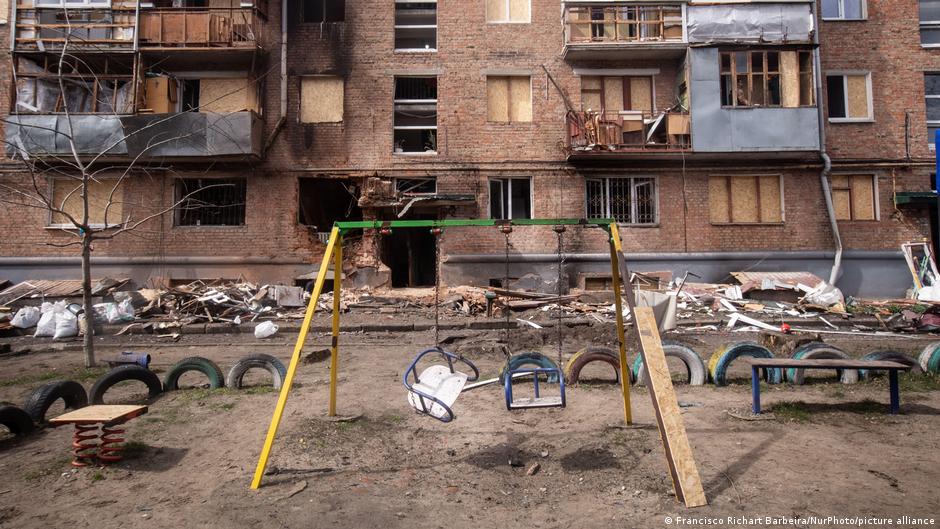
On the evening of July 3, Russian military forces launched intensive air strikes using drones and aerial bombs targeting the Ukrainian city of Sumy. According to regional military administration reports, these attacks resulted in four civilian deaths and 27 injuries, including seven children.
The assault struck the central district of Sumy, with one missile hitting a residential area in the Kovpakivskyi district. The area affected included a multi-story residential building, a shop, and a road bustling with people. Among the fatalities were a five-year-old girl and her mother, highlighting the tragedy of civilian harm. Others injured suffered severe wounds, with one victim succumbing to injuries in hospital.
Simultaneously, the Russian armed forces targeted the city of Zaporizhzhia with rockets and drones, impacting both residential and industrial zones. Local authorities confirmed two civilian deaths and 21 injuries as a result.
Implications for UK and European Markets
These recent escalations in the conflict present significant concerns for the stability of the Eastern European region, directly influencing British and European economic interests. London’s financial markets, closely monitoring geopolitical risks, could face renewed volatility due to uncertainties in energy supplies and trade routes linked to Ukraine.
Given the UK’s role as a major financial hub and its extensive trade relationships with the European Union and Eastern Europe, the conflict’s intensification may exert pressure on the British pound sterling. Investors often react to increased geopolitical risks by shifting assets, which could lead to fluctuations in sterling's value, impacting import costs and inflation.
"The situation in Ukraine remains a critical factor for market confidence across Europe and the UK, as instability threatens supply chains and investor sentiment," said a market analyst.
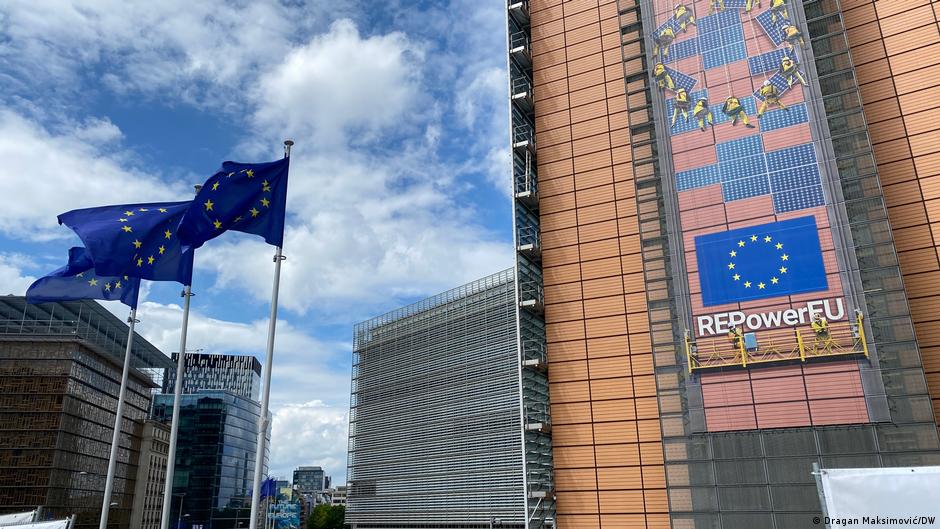
Furthermore, the strikes on industrial zones in Zaporizhzhia raise alarms about potential disruptions in manufacturing and energy sectors, which are crucial for European supply networks. The EU must consider these developments in its broader security and economic strategy to mitigate spillover effects that could hamper recovery efforts post-pandemic.
In light of these events, policymakers and investors in London and across Europe are advised to closely monitor ongoing developments. The risk of further escalation remains, with humanitarian and economic consequences continuing to unfold.