Russia Proposes Ending Mandatory Medical Exams for Military Contractors Amid Recruitment Struggles
Moscow’s move to ease medical screening requirements for contract soldiers could impact recruitment and signal deeper military manpower challenges.
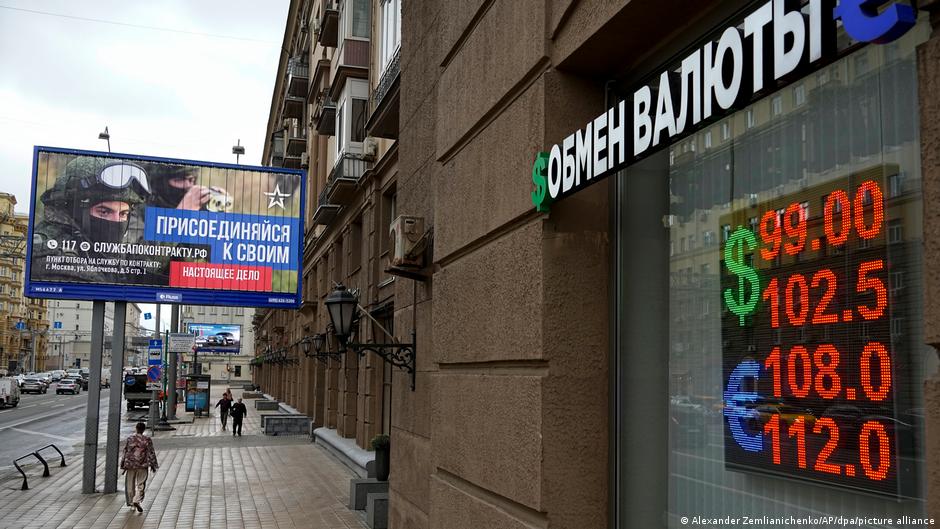
The Russian Ministry of Defence has introduced legislative amendments aimed at abolishing mandatory medical examinations for those enlisted as contract soldiers and conscripts, except in cases involving injuries or serious illnesses. This development comes amid ongoing efforts to bolster recruitment for the military campaign in Ukraine.
Details of the Proposed Changes
On July 3, the draft bill was submitted for public discussion and underwent independent anti-corruption review on Russia’s official legal portal. The key proposal is that during mobilization, martial law, or wartime, compulsory medical assessments will no longer be routinely conducted for contract soldiers and mobilized personnel. Instead, medical screening would be limited to individuals exhibiting significant injuries or health conditions that could render them partially or wholly unfit for service.
The legislation stipulates that the Ministry of Defence will set the procedures for these targeted medical examinations.
“Judging by the situation, recruitment of contract soldiers is in such dire straits that the authorities want to do away with mandatory medical examinations,” said Grigory Sverdlin, head of the human rights project 'Go to the Woods', which helps individuals avoid conscription. “If adopted, medical checks will no longer be the default but only occur in exceptional cases.”
Implications for Recruitment and Military Readiness
Russia has recently introduced multiple measures aimed at increasing contract soldier enlistment, including a May law signed by President Vladimir Putin to forgive debts of contract soldiers. Recruitment efforts have extended internationally, with reports of enlistment drives targeting Russian nationals in Belarus and China, and even coercive tactics such as roundups of men in Russia’s Penza region to compel contract signings.
Media speculation about a possible new wave of mobilization further underscores the Kremlin’s personnel challenges. The easing of medical requirements suggests a desperate need to expand troop numbers without the usual health-related filters.
Relevance for UK and EU Interests
From a British and European perspective, Russia’s apparent manpower difficulties and relaxation of recruitment standards could signal a weakening of Moscow’s military capabilities over time. For investors and markets in London, the move adds another layer of geopolitical risk, as prolongation of the conflict in Ukraine continues to disrupt regional stability and fuel volatility in commodities and currencies.
Sterling and European markets are likely to remain attentive to such developments, given their potential to influence energy supplies and trade dynamics. The UK government has emphasized support for Ukraine, and any signs of strain within Russia’s military could impact diplomatic strategies and defense planning across Europe.