Lukoil Refinery Halves Output After Ukrainian Drone Attacks Impact UK and EU Energy Markets
Ukraine's drone strikes have forced Lukoil's Nizhny Novgorod refinery to cut capacity by over 50%, affecting oil processing volumes and stirring market concerns in London and Europe.
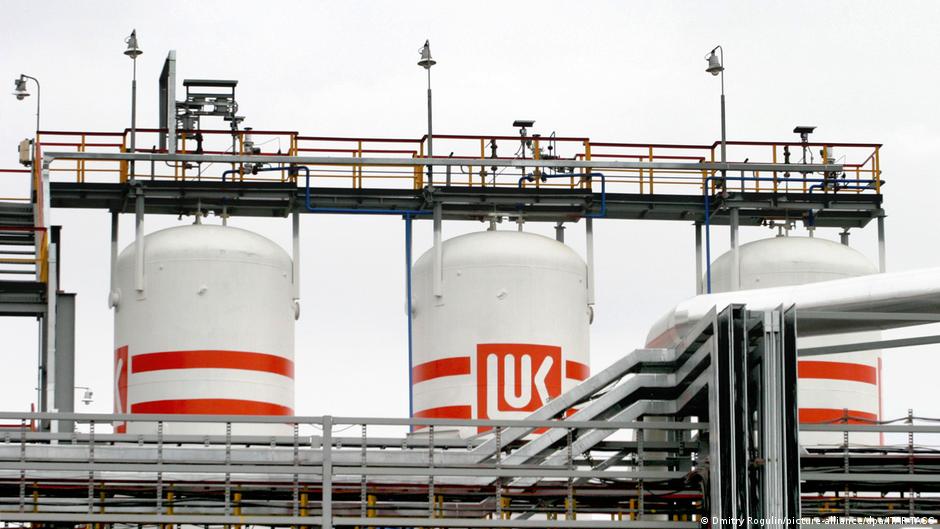
One of Russia's largest oil refineries, Lukoil's Nizhny Novgorod facility, has halved its processing capacity following a Ukrainian drone attack on the night of May 20. The attack targeted the refinery's primary crude distillation unit, which accounts for more than half of the plant's throughput, according to industry sources.
Significant Disruption to Russian Oil Processing
The Nizhny Novgorod Refinery, officially known as Nizhny Novgorodnefteorgsintez (NORIS), is among Russia's top five oil refining enterprises and the country's second-largest gasoline producer. Prior to the attack, it had an annual processing capacity of approximately 16 million tonnes of crude oil, equating to roughly 320,000 barrels per day.
The drone strike disabled the AVT-6 primary distillation unit, which provides 53% of the refinery's total capacity, around 25,700 tonnes per day. This is the second time in two months that NORIS had to halt or reduce operations due to drone attacks; a similar incident occurred on April 5.
"The refinery's primary unit stoppage represents a significant blow to Russian refining capabilities and raises concerns over fuel supply within the region," commented an industry analyst.
Recent weeks have seen a pattern of Ukrainian drone operations targeting multiple refineries across central Russia. Reuters reports that nearly all major refineries in this region have been forced to partially or fully suspend fuel production. Collectively, these facilities represent over 83 million tonnes in annual refining capacity, or about 238,000 tonnes per day—approximately one-quarter of Russia's total refining volume.
Implications for European and UK Energy Markets
This development comes amid already tight global energy markets and heightened geopolitical tensions. The reduction in Russian refining output has potential ramifications for European fuel supplies and pricing. While Russia primarily exports crude oil, the disruption in refined product availability could indirectly affect imports and trading volumes in London and European hubs.
The sterling exchange rate, which is sensitive to energy market volatility, has shown cautious movement as traders digest the news. London's oil and commodities markets are closely monitoring further developments as disruptions in Russian fuel production may lead to increased volatility in global refined product prices.
European Union energy officials have expressed concern about the vulnerability of energy infrastructure amid ongoing conflict. Diversification efforts and increasing strategic reserves remain a priority to mitigate supply risks.
Russian energy ministry officials have yet to provide comment on the latest attack and its impact on refinery operations.
Overall, the drone strikes on Russian refineries underscore the increasing complexity of energy security challenges in the context of the Ukraine conflict, with tangible effects rippling through UK and European markets.


