Moldova Opens Romania Power Link, Deepening EU Energy Integration
The new transmission line will expand electricity imports from Romania and reduce Moldova’s reliance on Russian-linked energy infrastructure.

Moldova has opened a new electricity transmission line designed to increase imports from Romania, reduce its exposure to Russian energy pressure and accelerate its integration with the European power system.
President Maia Sandu inaugurated the connection on Sunday, November 8, at a ceremony at the Chișinău power station attended by European Commissioner for Enlargement Marta Kos. Sandu said the project would diversify electricity supply routes and strengthen Moldova’s links with European energy infrastructure.
“For decades, Moscow used energy resources to blackmail” Moldova with the threat of cutting off electricity and heating, Sandu said.
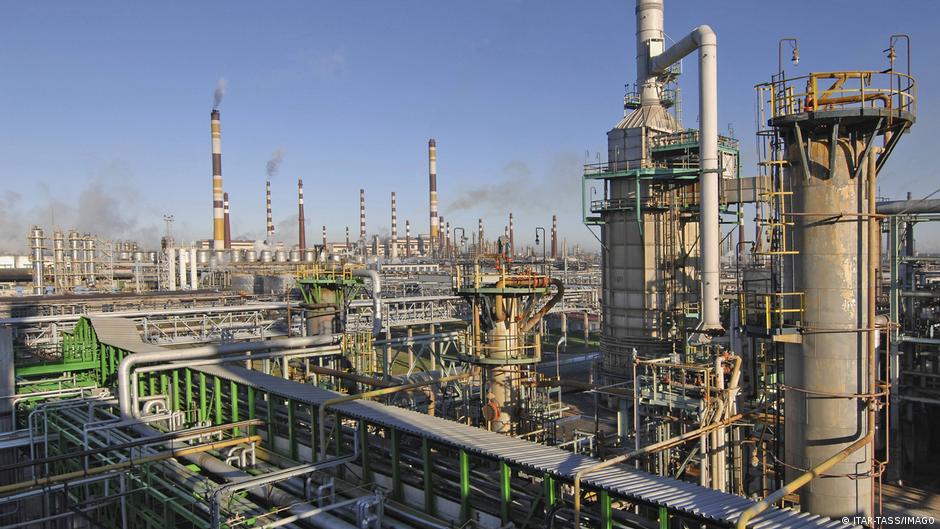
The line links Vulcănești, near Moldova’s border with Romania, with the capital, Chișinău. It is intended to reduce the country’s dependence on the Kuchurgan power station, which is situated in the internationally unrecognised breakaway region of Transnistria.
For the European Union, the project carries strategic weight beyond Moldova’s relatively small domestic energy market. Romania provides a physical gateway into the European electricity system, while the new route gives Chișinău greater scope to procure power without relying as heavily on infrastructure exposed to Russian influence.
European integration gains an energy dimension
The opening comes as Brussels signals further momentum in Moldova’s bid to join the EU. In early November, the European Commission presented its annual enlargement package for candidate countries and concluded that Moldova had met all the conditions required to continue accession negotiations.
The Commission said Moldova had accelerated the alignment of its legislation with EU law and made progress in strengthening the rule of law. Brussels expects the country to maintain its current pace of reform as it works towards what the Commission described as an “ambitious but achievable” objective of completing negotiations by the beginning of 2028.
The transmission project gives that political process a tangible economic and infrastructure component. Closer integration with Romania can improve the resilience of Moldova’s electricity supply while also drawing the country further into the EU’s regulatory and commercial energy framework.
For European businesses, the development highlights the continuing investment required to connect candidate countries with the bloc’s networks. Power links, grid stability and compatible regulation are central to cross-border trade and industrial planning, particularly in eastern Europe, where energy security has become closely tied to geopolitical risk.
Implications for Britain and European markets
The direct consequences for British companies, sterling and London-listed markets are likely to be limited because the project concerns Moldova’s regional electricity supply rather than the UK energy system. The source material reported no immediate movement in sterling or a specific reaction among London-listed utilities, infrastructure groups or energy traders.
Nevertheless, the line is relevant to UK investors assessing political and energy risk across Europe. Reduced dependence on Russian-linked supply infrastructure could lower one source of disruption for Moldova and reinforce the EU’s broader strategy of improving energy resilience on its eastern flank. British businesses with interests in European infrastructure, grid technology, engineering, finance or regional power trading may therefore view Moldova’s closer integration with Romania as part of a wider pipeline of modernisation and connectivity projects.
For London markets, the significance is chiefly strategic rather than an immediate pricing catalyst. Moldova’s progress illustrates how EU enlargement policy increasingly overlaps with energy security, infrastructure finance and the effort to limit Russia’s leverage over neighbouring economies. Any longer-term commercial effect would depend on subsequent investment programmes, procurement decisions and the pace of Moldova’s accession reforms.
Sandu restates Moldova’s European course
In a recent interview with the Hungarian publication Válasz Online, Sandu said European integration remained a policy direction supported by a majority of Moldovan citizens.
She also addressed her statement that she would vote in favour of Moldova uniting with Romania if the question were put to a referendum. Sandu argued that unification could provide a solution to the country’s security concerns amid the threat from Russia.
“I want my country to be safe, and I want my country to be free. Imagine Russia approaching your borders. You have to look for solutions, even if they may seem unusual to you,” Sandu said.
However, she acknowledged that the proposal does not currently command sufficient support among Moldova’s population.
The new power line offers a more immediate route towards greater security without requiring a change in national borders. By expanding access to Romanian electricity and reducing reliance on the Transnistrian power station, Moldova is reinforcing its westward economic orientation at a time when the EU is preparing to advance accession talks. For Britain and the wider European investment community, the project is another indication that energy infrastructure will remain a central element of the region’s geopolitical and commercial realignment.