Israel’s Herzog Taps Gadi Eisenkot to Pursue Coalition Government
The opposition leader has 28 days to assemble a coalition, with Arab parties holding votes pivotal to Israel’s political direction.
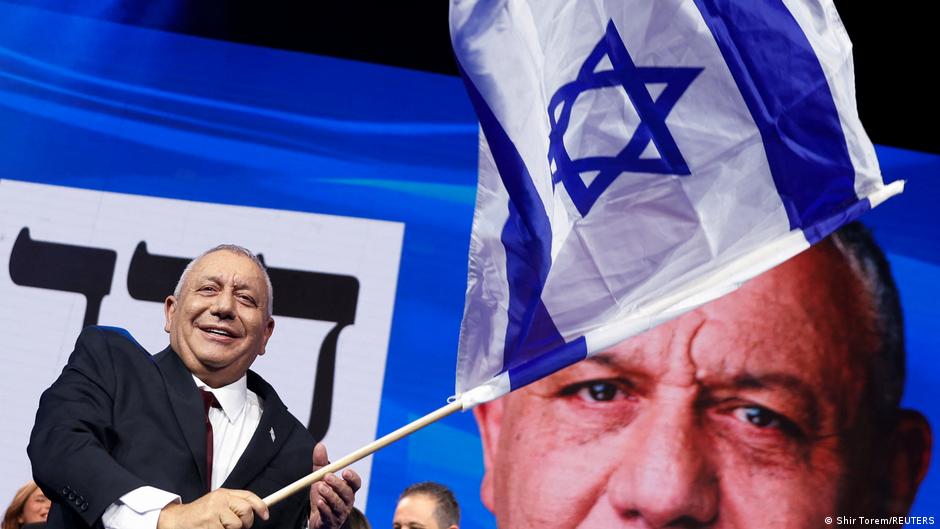
Israeli President Isaac Herzog is set to ask opposition leader Gadi Eisenkot to form a new government following an inconclusive parliamentary election, opening a coalition process with potential consequences for Britain and the European Union’s economic and diplomatic interests in the region.
Herzog will formally present the mandate to Eisenkot, leader of the opposition Yashad party, at the presidential residence in Jerusalem on Sunday evening, 8 November, according to an announcement made by the president’s office on Saturday.
Eisenkot will then have 28 days to assemble a governing coalition. Herzog may grant an additional 14 days if required. Receiving the mandate does not automatically make Eisenkot prime minister, and the outcome will depend heavily on negotiations involving two Arab parties whose combined representation could determine whether he reaches a parliamentary majority.
Coalition arithmetic puts Arab parties at centre stage
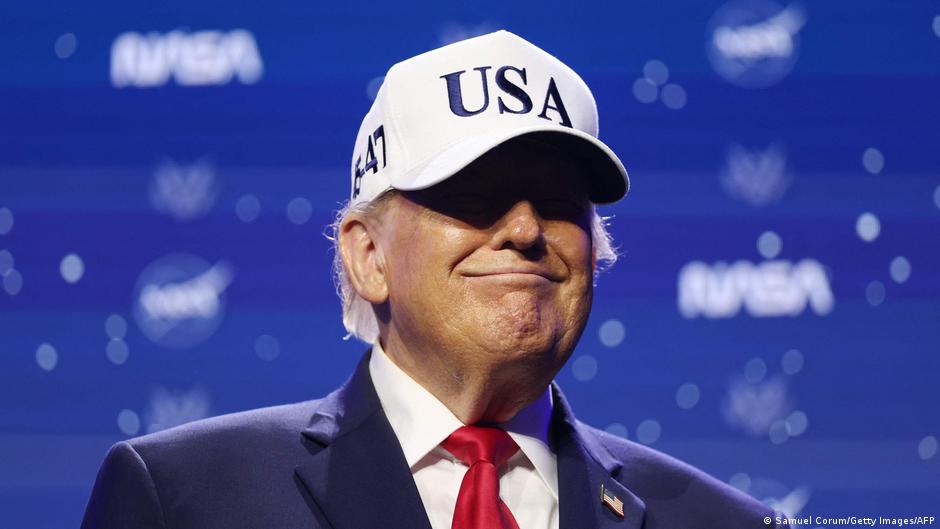
No political force secured the 61 seats needed for a majority in the Knesset in the 27 October election. The governing far-right coalition led by Benjamin Netanyahu’s Likud lost its majority and finished with 53 seats. An alliance of four parties headed by Eisenkot’s Yashad holds 48.
The two Arab parties won a record combined 19 seats, making their support potentially decisive. Eisenkot, a former chief of staff of the Israel Defense Forces, has previously refused to enter an alliance with Arab parties. Coalition talks will therefore test whether he can revise that position or find another arrangement capable of sustaining a government.
Herzog made his decision after extensive consultations with politicians and party leaders over their preferred candidate for prime minister. Eisenkot received 67 recommendations, compared with 46 for Netanyahu.
The presidential mandate begins the coalition process, but it does not guarantee that Eisenkot will become Israel’s next prime minister.
If Eisenkot cannot form a government within the allotted period, the mandate may pass to another politician, including Netanyahu, the leader of the governing Likud party. If a second candidate also fails, Israel could face another election.
Netanyahu had called for a national unity government intended to prevent parties representing Israel’s Arab citizens, who have citizenship and voting rights, from taking part in governing the country.
British and European businesses face another period of uncertainty
For companies and investors in Britain and the EU, the coalition negotiations add a fresh political variable to an already unsettled regional outlook. Israel has significant commercial, technological and investment links with Europe, while developments in Gaza, Lebanon and the West Bank remain important to energy markets, shipping risk, corporate security planning and diplomatic relations.
The immediate significance for sterling and London-listed companies is therefore likely to depend less on the ceremonial transfer of the mandate than on whether Eisenkot can produce a stable coalition and how that government approaches the Gaza conflict, relations with Palestinians and regional security. No specific movement in sterling or London equities was reported alongside the announcement, leaving investors to assess the coalition arithmetic and the risk of another election.
Eisenkot entered politics in 2022. After the Hamas attack on Israel, he joined Netanyahu’s war cabinet for a period before returning to the opposition. He has strongly criticised Netanyahu’s governing style and the conduct of the military operation in the Gaza Strip.
He has also condemned violence by Israeli settlers against Palestinians in the occupied West Bank. Eisenkot argues that such violence has contributed to strained relations between Israel and Western countries, an issue of direct relevance to London and Brussels as they balance security ties, trade interests and pressure over the treatment of Palestinians.
Military record shapes Eisenkot’s political profile
Eisenkot’s reputation rests partly on his senior military career and partly on a personal tragedy. His 25-year-old son was killed in fighting in Gaza in December 2023, followed by the deaths of two nephews.
One of his principal election pledges was to establish an independent state commission to investigate the security failures surrounding 7 October 2023. Such an inquiry could become a central point in coalition negotiations and in any future government’s relationship with Israel’s security establishment.
Eisenkot is also known as the author of the Israeli military strategy called the “Dahiya doctrine”. It provides for an asymmetric and disproportionately large response to security threats, including the destruction of civilian infrastructure in areas used by an adversary to fire on Israel.
He employed the doctrine during the 2006 Lebanon war against Hezbollah in Lebanon. That record, together with his criticism of Netanyahu and his stance on settler violence, gives European governments a complex figure to assess: an experienced former military commander advocating political accountability while remaining closely associated with a highly forceful security doctrine.
The first test is whether he can convert 67 presidential recommendations into at least 61 dependable votes in parliament. Until that question is resolved, British and European policymakers, businesses and markets face continued uncertainty over Israel’s next government and its regional policy.