Paraguay Banking Crisis Puts UK and European Business Exposure in Focus
The detention of former president Santiago Peña deepens uncertainty after Ueno customers, businesses and public institutions lost account access.

A court in Paraguay has ordered former president Santiago Peña into custody while prosecutors investigate his alleged role in a banking crisis that has prevented about three million people from accessing their accounts and disrupted businesses, pension funds and public institutions.
The political and financial turmoil has limited direct implications for sterling and London-listed companies in the information available so far. However, the scale of the disruption is relevant to British and European businesses with customers, suppliers, investments or payment flows in Paraguay, particularly because the affected depositors represent nearly half of the country’s population.
Judge Humberto Otazú said after a hearing on Saturday, October 7, that it was necessary to ensure Peña remained in the country. Prosecutors have accused the former head of state of breach of trust and using public office for personal benefit. Peña declined to testify in court, according to the report.
“It is necessary to ensure that he remains in the country,” Otazú said.
Prosecutors have also requested the freezing of assets belonging to Peña and Carlos Carvalho, a former head of Paraguay’s central bank who faces similar accusations. The measures add a legal dimension to a crisis already affecting households and institutions across the Paraguayan economy.
Ueno intervention disrupts businesses and pension funds
The banking emergency centres on Ueno, which was placed under the administration of Paraguay’s central bank at the beginning of the week after encountering liquidity problems. Peña’s links to the bank are at the centre of the investigation.
Since the intervention, around three million Ueno customers have been unable to access their accounts. The disruption has also affected numerous companies, pension funds and government bodies, according to AFP. That combination raises the possibility of delayed salaries, supplier payments and other domestic transactions, although the source provides no figures for financial losses or timetable for restoring access.
For UK and European companies, the immediate issue is operational exposure rather than a documented shock to London markets. Businesses dealing with Paraguayan counterparties may face payment delays or short-term liquidity constraints if funds are held at Ueno. The source article reports no specific reaction in sterling, UK equities or broader European markets, and gives no details of direct exposure among British or EU financial institutions.
Peña owned stakes until 2025 in the corporate group that controlled Ueno. He offered to resign voluntarily on Thursday as pressure intensified over the crisis. Parliament instead accelerated impeachment proceedings, seeking to prevent him from obtaining the status of senator for life, immunity and the possibility of avoiding criminal prosecution that would have followed a voluntary departure.
Impeachment followed by rapid detention
The Senate voted unanimously to remove Peña from office. Authorities placed him under house arrest within minutes of his removal and later transferred him to military barracks in the capital, Asunción, where he was held in pre-trial detention.
The speed of the transition from impeachment to detention underscores the political risk surrounding the banking intervention. For international investors, the central questions will include whether account access can be restored, whether the central bank can contain liquidity pressures and whether the investigation produces further action against financial or political officials.
Peña became president of Paraguay in 2023 after previously serving as finance minister. His background in economic policy and his former ownership interests in the group controlling Ueno have placed questions of governance and conflicts of interest at the heart of the case.
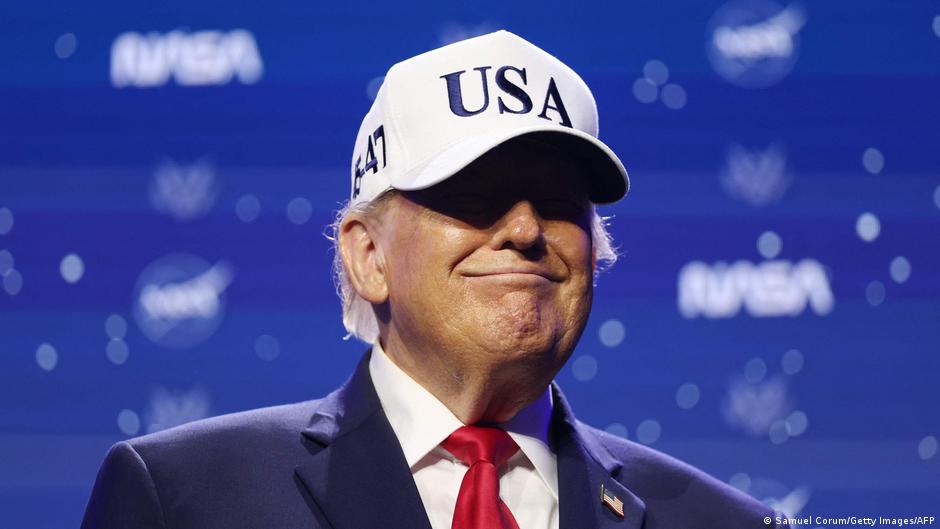
He is regarded as a political ally of the US administration of Donald Trump. On November 6, the United States embassy in Asunción expressed its “solidarity with the people of Paraguay” without mentioning the ousted president.
The absence of a stated US defence of Peña may add to perceptions that Paraguay’s institutions have room to pursue the investigation. Nevertheless, the immediate commercial concern for European and British interests remains the functioning of the banking system and the ability of local companies and state bodies to make payments.
No evidence in the source indicates a direct move in the pound or a distinct reaction from London markets. Any broader effect on UK or EU assets would therefore depend on whether the crisis spreads beyond Ueno, affects cross-border obligations or prompts wider concern about financial governance in Paraguay. For now, the disruption is concentrated domestically, but its reach across households, businesses, pensions and public agencies makes the central bank’s handling of the bank a significant issue for foreign counterparties.