Kyiv Power Crisis Deepens as Zelensky and Klitschko Trade Blame
The dispute over prolonged outages highlights infrastructure risks with implications for Ukraine’s British and European partners.
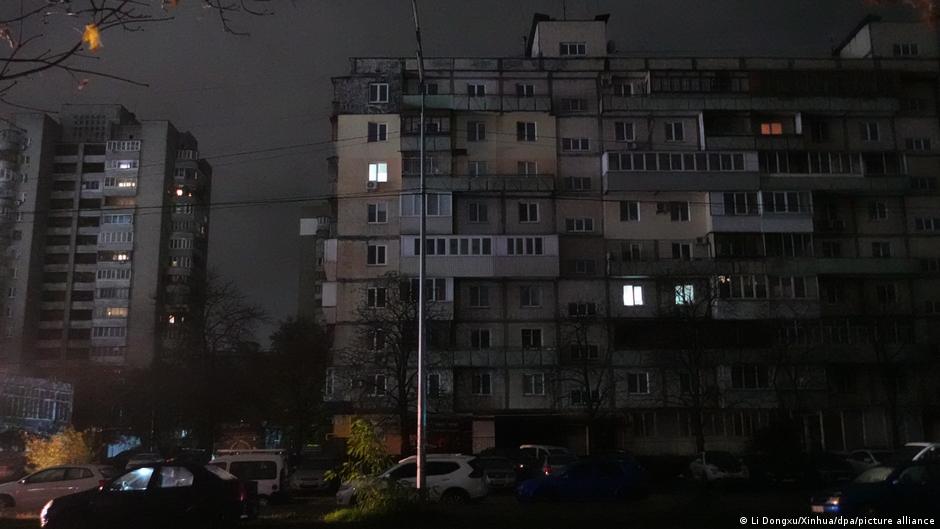
A public dispute between Ukraine’s president and the mayor of Kyiv has intensified over prolonged electricity and water outages caused by Russian attacks, raising fresh questions for British and European policymakers and businesses supporting the country’s energy resilience.
President Volodymyr Zelensky criticised Kyiv’s municipal authorities on Friday, November 6, saying preparations at the city level had failed. Mayor Vitali Klitschko responded hours later by accusing the central government of excluding the capital’s representatives from discussions, withholding assistance and effectively damaging Kyiv through political pressure.
The confrontation comes as millions of Ukrainians endure autumn cold without heating and face interruptions to electricity and water supplies. In recent weeks, Russia’s military has stepped up missile and drone strikes against Ukraine’s energy infrastructure, placing greater pressure on repair capacity and the interconnected national grid.
For the UK and European Union, the immediate issue is humanitarian and strategic rather than a direct market event. Britain and EU member states have invested political and material resources in Ukraine’s ability to withstand Russian attacks. Persistent disruption could increase demand for transformers, grid equipment, emergency generation and technical support from European partners.
Responsibility disputed as repair needs mount
In his evening address, Zelensky said the difficulties were partly the result of municipal decisions not being implemented ahead of the heating season and before the latest Russian operation against Ukraine’s energy system.
“At the city level, preparations have failed,” Zelensky said.
The president added that the government had discussed with energy-company representatives the need to bring in additional repair crews and accelerate the restoration of infrastructure. He said the response to the intensified Russian attacks would include deploying more repair teams and involving Ukraine’s armed forces in dealing with the consequences.
Zelensky described Russia’s tactic as the destruction of power lines, transformers and distribution equipment. He said that even where generation remained sufficient, some regions continued to experience shortages because electricity could not be delivered reliably. Repairs, he argued, were the solution, making the speed of restoration critical.
Klitschko challenged the president’s account in a post on Telegram, asking how Kyiv could have prevented what Zelensky had called a Russian special operation against Ukrainian energy infrastructure. He also questioned why the capital’s preparations and efforts were being discussed at meetings to which representatives of the Kyiv authorities had not been invited.
The mayor stressed that Ukraine has a single interconnected energy system. When that system is attacked across the country, he said, it was misleading to suggest that electricity could remain available everywhere except in Kyiv because of decisions taken by its mayor.
Klitschko accused the central authorities of repeatedly portraying Kyiv as the country’s worst-performing city and relying on manipulation and falsehoods. He said that, in seeking to remove him and failing to help the capital, the government was effectively destroying Kyiv.
European business exposure centres on infrastructure
The dispute does not establish any immediate movement in sterling or London-listed shares. However, it adds to the geopolitical risk monitored in the City of London, particularly by energy traders, defence companies, infrastructure suppliers and investors assessing Europe’s fiscal commitments to Ukraine. Any sterling impact would be indirect, operating through broader shifts in risk appetite, European energy costs or expectations for additional British public spending.
For UK companies, the practical commercial relevance lies in the scale and urgency of Ukraine’s repair requirements. Repeated damage to networks, transformers and distribution systems can create continuing demand for specialised equipment and engineering expertise. Yet destroyed infrastructure, security threats and disputes between national and municipal authorities can complicate procurement, delivery and project execution.
European businesses face similar considerations. Ukraine’s grid is interconnected, meaning damage in one part of the system can contribute to shortages elsewhere even when power generation is adequate. That makes transmission and distribution equipment, rather than generation alone, central to resilience and reconstruction planning.
The political argument may also matter to European donors seeking clear governance and coordination around assistance. Zelensky’s emphasis on municipal preparedness and Klitschko’s accusation that Kyiv officials were excluded from discussions present sharply different accounts of responsibility. Neither side disputed the central cause of the current emergency: intensified Russian attacks on energy infrastructure.
For London markets, the episode is best viewed as another indicator of a prolonged conflict’s economic and operational costs, rather than evidence of a discrete trading shock. The more immediate concern for Britain and the EU is whether Ukraine can mobilise enough repair crews, equipment and military support to restore essential services quickly while attacks continue.