Ukrainian Language School Co-Founder Dies in Russian-Held Crimea
The death of a detained Ukrainian educator intensifies scrutiny of legal and operational risks facing Europeans in Russian-controlled territory.
Alexandra Kazarovitskaya, the 44-year-old co-founder of the Kharkiv language school Professional, has died after being detained in Crimea, according to a statement published by the school on Facebook on Wednesday, November 4.
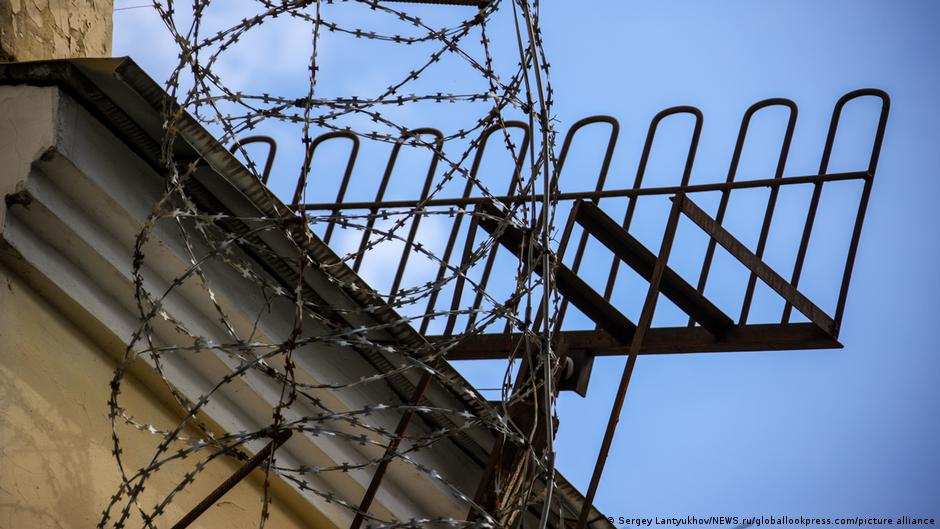
Kazarovitskaya, also known by the surname Kolesnikova, died in a pretrial detention centre on the peninsula, which Russia annexed from Ukraine. Her colleagues directly blamed the Russian state for her death.
“Russia killed her,” the school said in its Facebook post.
The circumstances described by her colleagues are likely to deepen European concern about the treatment of Ukrainian civilians in Russian-controlled territory. For British and European organisations, the case also underscores the severe legal, security and duty-of-care risks associated with travel to Crimea, where detention conditions and the lack of independently verifiable information can leave families and employers with few effective avenues for assistance.
Detained after travelling to help her parents
According to her colleagues, Kazarovitskaya travelled to Sevastopol in the summer of 2026. She expected to remain there for no more than a month while helping her parents sell their apartment and relocate to Turkey.
She was subsequently detained after authorities found correspondence between her and a volunteer dating from the beginning of Russia’s full-scale invasion of Ukraine, the school said. The publication stated that Kazarovitskaya then spent three months in solitary confinement while awaiting trial.
Her colleagues said Russian authorities attributed her death to suicide. That account has not resolved questions about where she was held or the conditions preceding her death. Human rights advocates from the project Support for Political Prisoners. Memorial believe she died in one of two pretrial detention centres in Simferopol.
The source account did not identify the specific facility, provide an exact date of death or describe any independent examination of the official explanation. The information available comes principally from the language school’s statement and the assessment of human rights advocates.
European business and legal exposure
Although Kazarovitskaya’s death is primarily a human rights and security story, it has relevance for British and European businesses managing staff, contractors or family-linked travel connected to Ukraine and Russian-controlled areas. The reported detention over private correspondence illustrates how activity that began outside the territory may be scrutinised after entry.
The case also highlights the limits facing employers attempting to fulfil duty-of-care responsibilities in a jurisdiction where access to detainees and reliable official information may be restricted. Companies with Ukrainian employees may need to account for personal travel undertaken to assist relatives, dispose of property or support relocation, even when that travel is not part of an employee’s formal duties.
No immediate reaction in sterling or London-listed markets was reported in connection with the individual case. Its financial significance is therefore indirect rather than a discrete market-moving event. For investors in London and across the European Union, however, such cases form part of the wider geopolitical risk surrounding Russia’s war against Ukraine, including sanctions compliance, operational security and exposure to disputed territories.
The reported plan to move Kazarovitskaya’s parents to Turkey also reflects the cross-border family and property issues created by the conflict. Europeans dealing with assets, relatives or counterparties in occupied territory face risks extending beyond conventional commercial due diligence, including detention, disrupted communications and uncertainty over the application of law.
School mourns its academic director
At Professional, Kazarovitskaya served as director of education as well as being a co-founder. Her death therefore represents both a personal loss and the removal of a senior leader from a Kharkiv-based education business operating during wartime.
Mediazona reported that she is survived by her husband and daughter. The school’s public statement focused on the circumstances of her detention and placed responsibility for her death on Russia.
The account leaves central questions unanswered, including the precise place and date of her death and whether any independent investigation will be conducted. For European policymakers, employers and investors, the absence of independently established details is itself indicative of the opacity surrounding detention in Crimea and the broader risks attached to activity in Russian-controlled Ukrainian territory.