Zelensky Seeks Stronger US Support After Democrats’ Congress Victory
Ukraine’s president says a Democratic majority could reinforce transatlantic ties and increase financial and military assistance to Kyiv.
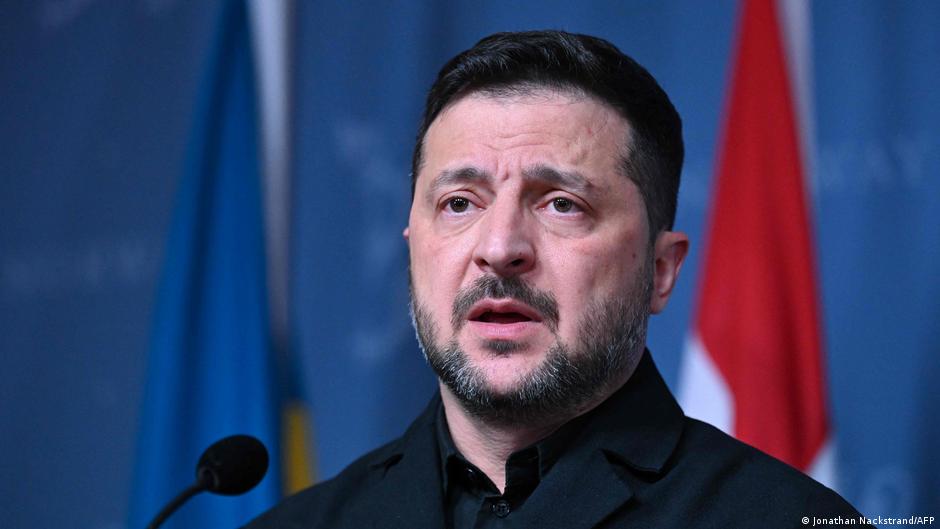
Ukrainian President Volodymyr Zelensky has expressed hope that Washington will provide Kyiv with greater military and financial support following the Democratic Party’s victory in the US midterm elections.
Speaking in an interview with German broadcaster ZDF on Wednesday, November 4, Zelensky said the election result could give Ukraine grounds to expect stronger backing from the United States. Democrats secured majorities in both the Senate and the House of Representatives, according to the Ukrainian leader’s account of the political shift.
Zelensky argued that Democrats favour a renewal of ties between the United States and Europe. For Britain and the European Union, that prospect carries significance beyond American domestic politics: closer transatlantic coordination could affect the distribution of financial and military responsibilities among Ukraine’s Western partners.
Democrats support the “renewal of ties between the US and Europe,” Zelensky said.
Implications for Britain and Europe
The Ukrainian president said it would be a positive development if the US Congress supported substantial financial assistance and weapons deliveries to Ukraine, following the example currently being set by European countries. Such a position, he added, could influence Russian President Vladimir Putin.
For the UK, continued American engagement would help sustain the broader Western coalition supporting Kyiv. Britain has been one of Ukraine’s prominent European partners, while EU governments have also carried significant financial, humanitarian and security commitments. A more supportive Congress could reinforce cooperation between Washington, London and European capitals rather than leaving European states to shoulder a growing share of the burden.
The political signal is also relevant to businesses and investors monitoring the economic consequences of the conflict. London markets remain sensitive to changes in European security, energy costs, government spending and the wider outlook for regional growth. Any strengthening of US support for Ukraine could be read as evidence that the transatlantic alliance remains coordinated, although it could also imply that military and fiscal commitments will remain elevated.
Sterling’s outlook is linked indirectly to those pressures. The pound can be affected by shifts in investor risk appetite, Britain’s public finances, energy prices and expectations for economic growth. Zelensky did not discuss the currency or financial markets, and the source provided no specific London trading figures. His comments nevertheless place renewed focus on whether stronger US-European relations could offer greater strategic certainty to Britain and its neighbours.
European businesses, particularly those exposed to energy, defence, transport and cross-border trade, will also be watching how congressional support translates into policy. Zelensky’s remarks framed additional American aid as complementary to the assistance already being demonstrated by European countries.
Melania Trump Receives Ukrainian Honour
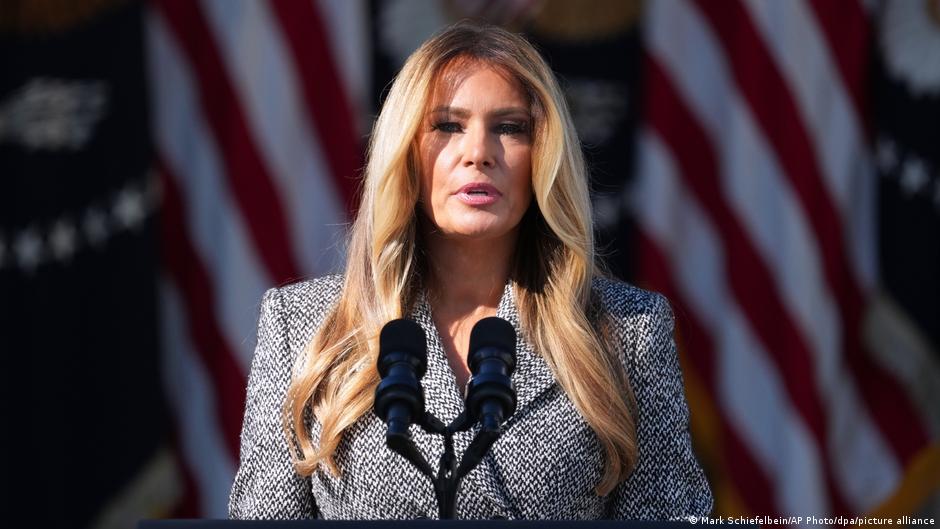
On the same day, the official website of the Ukrainian president published a decree awarding US first lady Melania Trump the national Order of Princess Olga, First Class.
The honour recognised her role in achieving an agreement on a temporary ceasefire in the Russian-occupied city of Oleshky, known in Russian as Alyoshki, in Ukraine’s Kherson region.
The decree cited Melania Trump’s “significant personal contribution” to humanitarian support for Ukraine, as well as her active work in protecting human rights and supporting charitable causes. The wife of US President Donald Trump had previously spoken repeatedly in support of Ukrainian children.
The award adds a humanitarian dimension to Kyiv’s appeal for deeper American involvement. While Zelensky’s election comments focused on Congress, weapons and financial assistance, the decree highlighted the role that prominent US figures can play in humanitarian diplomacy and advocacy.
For policymakers in London and across the EU, the central issue remains the durability of Washington’s commitment. Zelensky’s message was that a Democratic-controlled Congress could strengthen the US relationship with Europe and align American assistance more closely with the support already being provided by European governments.
That would be welcomed in Kyiv as both practical backing and a signal to Moscow. For Britain and the EU, it could also help preserve a shared approach to the conflict at a time when security spending, fiscal constraints and economic uncertainty continue to test governments and markets across the region.