Russian Diesel Tankers Change Course as Trump-Putin Deal Falters
EU sanctions appear to be complicating Russian diesel shipments to the US, with implications for European fuel supply and pricing.
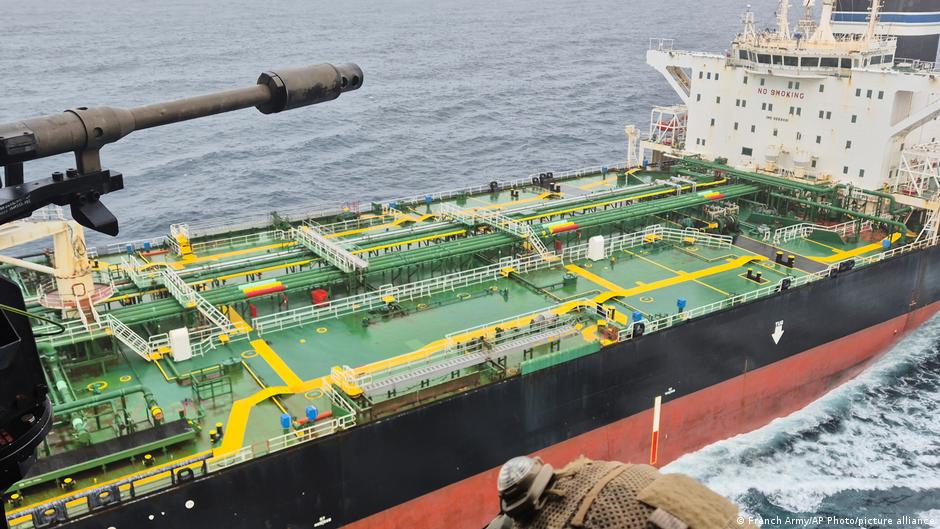
Two of three tankers carrying Russian fuel to the United States have changed course, threatening a diesel import agreement reached by US President Donald Trump and Russian President Vladimir Putin, the Financial Times reported on Wednesday, November 4.
The apparent disruption underlines the continuing commercial force of European Union sanctions and the compliance risks facing shipowners, traders and potential buyers. For British and European businesses, the vessels’ movements matter because any diversion of Russian cargoes could redirect fuel into markets closer to Europe, while a failed US import initiative could leave American buyers competing more aggressively for diesel from other suppliers.
According to the report, the Russian tanker Talisman and the Sierra Leone-flagged Leruo, which is owned by a Hong Kong company, no longer list the US Atlantic coast as their destination. Both vessels are subject to EU sanctions.
Leruo changed course towards Brazil on November 2. Talisman entered the Mediterranean and was positioned off Algeria, transmitting a “for orders” signal. In shipping markets, that designation indicates that a cargo does not yet have a confirmed buyer or destination port.
EU sanctions complicate transatlantic fuel trade
The change in course highlights the practical constraints surrounding sanctioned vessels even when a proposed transaction involves the United States rather than an EU destination. Banks, insurers, ports and commodity traders frequently assess exposure across several jurisdictions, making European restrictions relevant to transactions routed through the wider international shipping system.
The third tanker identified as heading towards the United States, Agioi Fanendes, continued sailing in that direction but was also transmitting “for orders”. The vessel is owned by Greek shipping company Eastern Mediterranean Maritime and was expected to arrive in New York over the weekend.
“Given the apparent caution among US buyers because of regulatory, legal and sanctions risks, it would not be surprising if this tanker also changed course and declined to call at the United States,” Kpler analyst Matt Smith said, according to the Financial Times.
A separate sanctioned tanker, Beast, loaded fuel at the Russian port of Primorsk on October 27 and continued to sail towards the US Atlantic coast. The vessel is owned by companies based in the Seychelles, according to the report.
For the UK and EU, the unresolved destinations create uncertainty rather than a clear immediate supply benefit. Cargoes left without confirmed buyers can be offered into alternative markets, including the Mediterranean or Atlantic Basin. However, sanctions status may restrict the pool of counterparties able or willing to handle them. European companies involved in maritime services also face heightened due-diligence demands when vessels, ownership structures and cargo destinations change during a voyage.
Diesel surge raises risks for European businesses
Diesel futures have risen by more than 60% since the start of the war in Iran. At the beginning of November 2026, the average price of diesel at US filling stations was about $6.30 a gallon, equivalent to $1.66 a litre.
Those price pressures extend beyond the United States. Diesel is a major cost for European road freight, agriculture, construction and industrial operations. If US importers must seek replacement barrels outside Russia, competition for internationally traded diesel could increase, adding pressure to wholesale fuel costs in Britain and the EU.
The developments also carry potential implications for sterling-sensitive businesses, although the source report did not specify a direct move in the pound or in London-listed shares. Because internationally traded oil products are generally priced in dollars, any rise in diesel benchmarks can become more expensive for UK buyers when sterling is weak. That combination can feed into transport costs and corporate margins.
London investors are therefore likely to focus on fuel distributors, airlines, logistics groups and other transport-intensive companies whose earnings are exposed to refined-product prices. The tanker diversions themselves do not establish a specific London market reaction, but they add another layer of uncertainty for companies already managing volatile energy and shipping costs.
Political strategy fails to deliver electoral gain
Trump reached the diesel purchase agreement with Putin several weeks before the US congressional midterm elections. The US president sought to import Russian diesel in an effort to reduce domestic prices and strengthen political support.
The initiative did not help the Republican Party at the ballot box. In the November 3 elections, Democrats secured majorities in both the Senate and the House of Representatives.
The electoral result may add further uncertainty to the agreement’s political future, while the tankers’ altered routes show the immediate commercial obstacles. For European policymakers, the episode demonstrates how EU vessel sanctions can influence trading decisions beyond the bloc’s borders. For British companies and London investors, the central concern is whether disrupted US-bound shipments intensify competition for diesel elsewhere and prolong the elevated fuel costs weighing on the European economy.