Germany Plans Extra €100 Million for Ukraine’s Winter Infrastructure
Berlin’s proposed support would fund energy equipment, repairs and winter preparations as Russian attacks intensify ahead of winter.
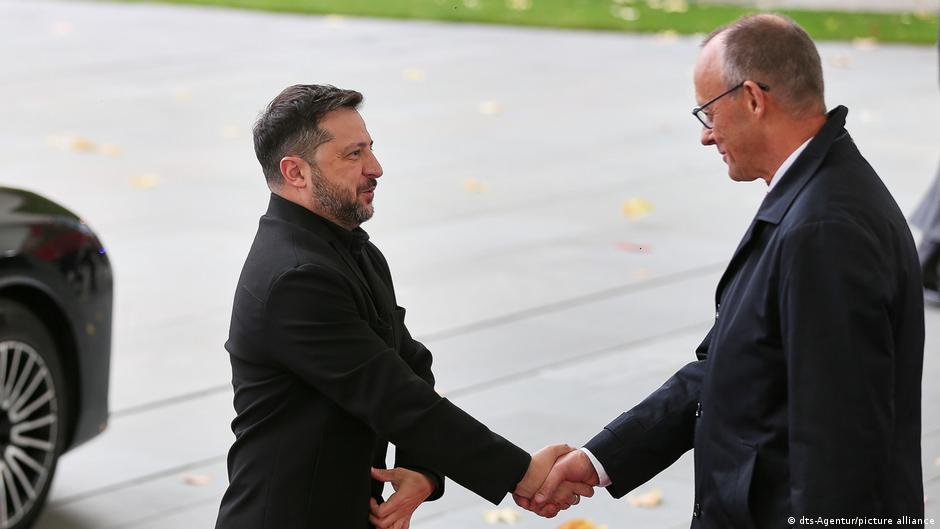
Germany plans to provide Ukraine with an additional €100 million to reinforce critical infrastructure before winter, as damage to the country’s energy, water and transport systems deepens concerns across European governments and businesses.
The proposed funding was detailed in a letter from Germany’s Federal Ministry of Finance to the Bundestag’s budget committee. Reuters obtained the document, which described the expenditure as a response to a worsening humanitarian situation.
According to the ministry, Russian attacks on Ukrainian energy, water and transport infrastructure have intensified “to an unprecedented level” since July 2026. As the war approaches its fifth year, Ukraine has lost as much as 80% of its electricity-generation capacity, the letter said.
Russian attacks on energy, water and transport infrastructure have intensified “to an unprecedented level” since July 2026.
The additional money is intended to finance generators and battery energy-storage systems, alongside repairs to damaged infrastructure. Part of the package would also support winter preparations at approximately 2,000 schools and kindergartens.
European businesses face another winter of war-related risk
For Britain and the European Union, the planned German contribution underscores the continuing economic demands created by the destruction of Ukrainian infrastructure. Reliable electricity, water supplies and transport links are essential not only for households and public services but also for companies operating in Ukraine or maintaining trade and supply-chain relationships with the country.
The focus on generators and battery storage highlights the immediate need for decentralised and resilient power supplies. European manufacturers, energy-equipment suppliers, engineering groups and infrastructure contractors will follow the programme closely as procurement plans take shape. The German finance ministry’s letter, however, did not identify suppliers, contract values or a timetable for purchases.
Businesses in neighbouring EU states also remain exposed to disruption from damage to Ukrainian transport and energy networks. Repairs that keep schools, public buildings and essential services functioning can help limit wider humanitarian pressure, including displacement towards other European countries. The proposed spending therefore carries implications beyond Ukraine’s borders, even though the package is modest compared with the scale of the country’s reported loss of generating capacity.
Berlin’s request also comes as European capitals balance support for Kyiv against domestic budget constraints. Because the €100 million would represent unplanned expenditure, scrutiny by the Bundestag’s budget committee will be an important step in the German process. The letter frames the request around urgent humanitarian and infrastructure needs rather than a broader long-term reconstruction programme.
Sterling and London investors assess indirect effects
For UK markets, the announcement is primarily relevant through Europe’s broader fiscal, energy and geopolitical outlook rather than through any direct exposure of sterling to the German payment. A single €100 million allocation would not ordinarily be expected to determine the pound’s direction by itself. Currency investors are more likely to assess whether repeated infrastructure commitments add materially to European public spending, alter regional energy risks or affect economic confidence.
London-listed defence, engineering, power-equipment and energy-storage companies may also attract investor attention as European support increasingly includes physical infrastructure and resilience measures. No contracts for British companies were disclosed in the German finance ministry document, and the source material provided no specific share-price or sterling reaction to the proposal.
That absence makes the immediate London market impact difficult to isolate. Investors would need further details on procurement, approval and implementation before assessing whether the package creates opportunities for UK-listed suppliers. For now, its broader significance lies in Germany’s willingness to allocate additional funds as Ukraine prepares for winter under intensified attacks.
The proposal also reinforces the importance of energy resilience in European policy. Battery storage and generators can provide emergency capacity when centralised infrastructure is damaged, while repairs to transport and water systems help preserve commercial activity and essential public services. Such measures may reduce some of the economic disruption caused by attacks, although the German letter indicates that Ukraine’s infrastructure losses remain severe.
If approved, the extra €100 million would add to Germany’s financial support for Ukraine at a time when winter preparedness has become increasingly urgent. The immediate priorities are practical: restoring damaged facilities, obtaining backup power equipment and preparing about 2,000 educational institutions for colder weather. For British and European businesses, the plan is another sign that the economic consequences of the war—and the demand for infrastructure support—will remain prominent through the winter.