NATO Confirms Continued US Air Defense Missile Supplies to Ukraine Amid Ongoing Conflict
NATO reassures allies that American-made air defense missiles continue reaching Ukraine, highlighting steady support despite regional tensions and impacts on European security.
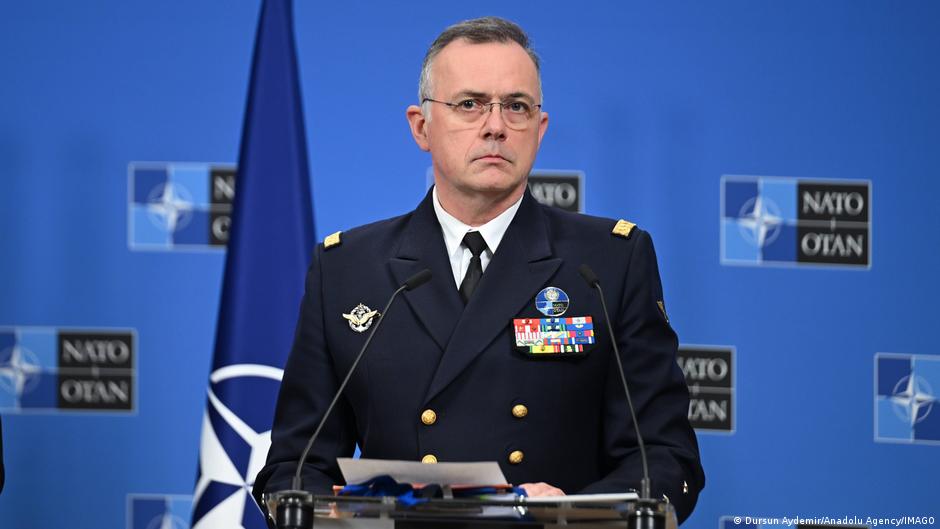
NATO has affirmed that American weapons deliveries, including critical air defense missiles under the Priority Ukraine Requirements List (PURL) program, continue to flow to Ukraine. This comes amid ongoing concerns over regional stability and questions about the alliance's military commitments in Europe.
Steady Support for Ukraine Strengthens European Security
At a press conference in Brussels following the NATO Military Committee meeting on May 19, General Christopher G. Cavoli, NATO's Supreme Allied Commander Europe, confirmed that all arms funded by member states under the PURL initiative are being delivered promptly. "I want to assure you that everything the allies have paid for, including interceptor missiles for air defense systems urgently needed by Ukrainians, is being supplied," he said.
Launched as a joint U.S.-NATO effort, the PURL program pools funds from member countries to procure American-made weaponry prioritized by Ukraine, allowing for rapid acquisition and deployment of equipment not readily available from European manufacturers. This collaborative funding model underscores transatlantic coordination to furnish Kyiv with vital military capabilities.
"While the war in Ukraine enters its fifth year, the Ukrainian armed forces continue to demonstrate extraordinary resilience and innovation," said General Cavoli. "They share battle-tested experience, particularly in countering Russian and Iranian drones and missiles."
He emphasized that sustained and predictable support remains essential for Ukraine, benefiting both the country's defense and broader European security architecture. "Western investments in Ukraine's defense not only protect its population and critical infrastructure but also strengthen European security," Cavoli stated.
Implications for UK and EU Markets and Sterling
For the United Kingdom and European Union, continued military support to Ukraine underscores the strategic importance of maintaining security partnerships and supply chains, particularly those involving defense procurement and logistics. The PURL program's reliance on American defense manufacturing highlights complexities in transatlantic industry relations.
London's financial markets have been closely monitoring developments around NATO's military posture and funding commitments. Defense sector stocks listed on the London Stock Exchange have shown sensitivity to geopolitical updates, reflecting investor awareness of ongoing European security demands. Sterling's relative stability amid these developments benefits from the UK's robust engagement in European security frameworks, even post-Brexit.
Moreover, commitments under the PURL program and NATO's regional defense enhancements contribute to investor confidence in defense and technology sectors across Europe. The alliance's ability to maintain predictable supply lines alleviates concerns about disruption in critical military procurement, which could have wider economic implications.
Regional Military Dynamics and NATO Presence
Responding to questions regarding the U.S. military presence in Europe, General Cavoli acknowledged ongoing adjustments but reassured that these will not undermine NATO’s operational plans. He noted that despite plans announced by the U.S. administration to reduce troop numbers by 5,000 personnel, European allies including the Baltic states and Poland have increased their land combat capabilities.
"Allies have been strengthening their forces, with notable efforts such as Germany expanding its brigade in Lithuania and Canada's leadership of a multinational brigade in Latvia," Cavoli stated, underlining the alliance’s balanced approach to force management. This redistribution allows the U.S. to reallocate resources for global priorities without compromising regional defense.
The general also addressed recent incidents involving airspace security, referencing a reported case of a Ukrainian drone inadvertently entering Estonian airspace, where it was intercepted by an allied Romanian fighter jet. "This incident illustrates how our defense mechanisms function, with authority delegated to the lowest tactical level to protect every inch of alliance territory," Cavoli noted.
Countering Misinformation and Russian Threats
NATO officials also addressed Russian claims accusing Latvia of facilitating Ukrainian drone strikes against Russia, which included veiled threats against Latvia’s NATO membership. General Cavoli dismissed such assertions as unfounded and reiterated that NATO’s defensive posture is transparent and resolute.
"If NATO intended to allow drones to transit Baltic airspace en route to Russia, we would not be intercepting them," he concluded, emphasizing the alliance’s commitment to collective defense and regional stability.
As tensions persist, NATO’s ongoing support to Ukraine, bolstered by the PURL program, remains a pivotal factor in securing European interests. For the UK and EU, maintaining strong transatlantic military cooperation and robust defense procurement pathways is critical both for geopolitical security and market confidence.


