New EU Biometric System Causes Major Delays at Airports, Impacting UK-EU Travel and Sterling Markets
The European Entry/Exit System (EES) has triggered multi-hour queues at major EU airports, raising concerns for British travelers and London's financial sector.
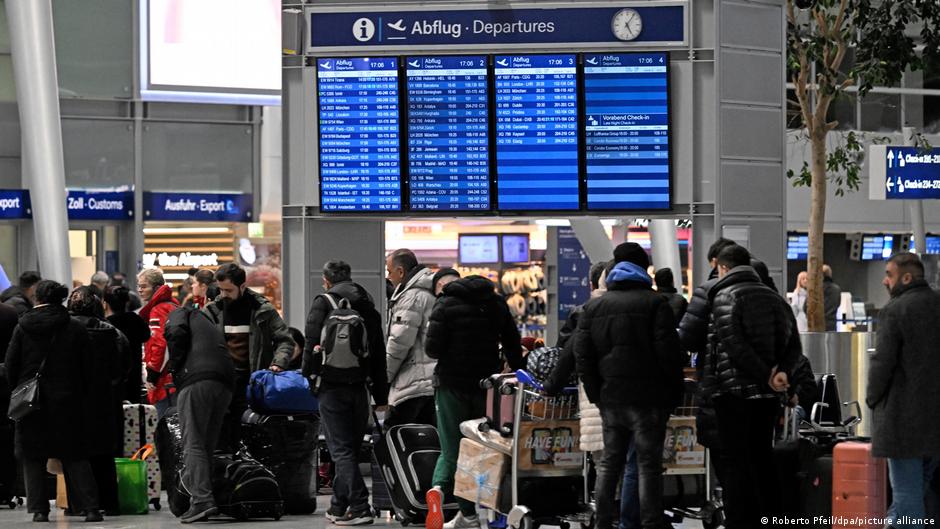
Since April 10, the European Union's new biometric border control system, the European Entry/Exit System (EES), has caused significant disruption across airports in six EU member states, leading to concerns among UK travelers and European businesses alike. The system's rollout has resulted in multi-hour queues, threatening to escalate further during the summer travel season, with serious implications for British-EU travel and the sterling currency.
Biometric System Delays and Industry Backlash
The Airports Council International (ACI) Europe has issued warnings that airports in France, Germany, Belgium, Italy, Spain, and Greece are experiencing severe congestion due to the implementation of EES. Olivier Jankovec, head of ACI Europe, reported that passengers are facing waits of up to three hours during peak times, a situation that could culminate in near-collapse by the height of the tourist season.
"Passengers during peak hours are already enduring waits of up to three hours," Olivier Jankovec stated, highlighting the urgent need for intervention.
Michael O’Leary, CEO of Ryanair, criticized the system as "a complete disgrace and a shambles," likening it to a punitive measure linked to Brexit. He called for a postponement of EES's full operation until October, citing queue times that have reached four hours in certain airports. The prolonged delays threaten not only passenger experience but also pose operational challenges for airlines frequently operating UK-EU routes.
At Milan’s Linate Airport, 122 out of 156 EasyJet passengers on a flight bound for Manchester missed their flight due to the slow biometric checks. While EasyJet offered a free ticket reschedule, the airline refused to accept responsibility for the incident, underscoring the complexities airlines now face in managing passenger flows under the new system.
Implications for UK-EU Travel and London Markets
The EES replaces manual passport stamping with biometric registration, including photographs and fingerprint scans for third-country nationals entering the Schengen Area. This system, phased in since October 2025 starting with Czechia, Estonia, and Luxembourg, now covers all 29 Schengen countries as of April 2026. Importantly, EU citizens, residents, and diplomats remain exempt from the biometric checks, though UK travelers—classified as third-country nationals—are fully subject to the new procedure.
For British travelers and businesses relying on seamless EU access, the EES's delays pose a new hurdle to cross-border movement and commerce. The uncertainty and waiting times could dampen travel demand and complicate supply chains, thereby influencing sterling exchange rates and investor sentiment in London's financial markets.
The European Commission maintains that the system operates normally, estimating an average processing time of 70 seconds per traveler. However, ACI Europe disputes this figure as unrealistic, suggesting real processing times are closer to five times that duration, a discrepancy that fuels calls for urgent remedial measures.
Industry representatives are urging the European Commission to grant border authorities the authority to suspend EES operations temporarily in the event of excessive delays. This flexibility could be crucial in preventing wider economic disruptions, particularly during the busy summer months when UK-EU travel peaks.
As the UK continues to navigate post-Brexit relations with the EU, technical and administrative barriers such as those introduced by the EES risk further complicating trade and travel ties. For London's business community and currency markets, the ability to adapt to these changes is critical to maintaining economic stability and investor confidence.