North Korea’s Missile Tests Raise Concerns for UK and European Markets Amid Sterling Volatility
Pyongyang’s latest tactical missile launches prompt cautious reactions in London financial markets and highlight security risks impacting European investors.
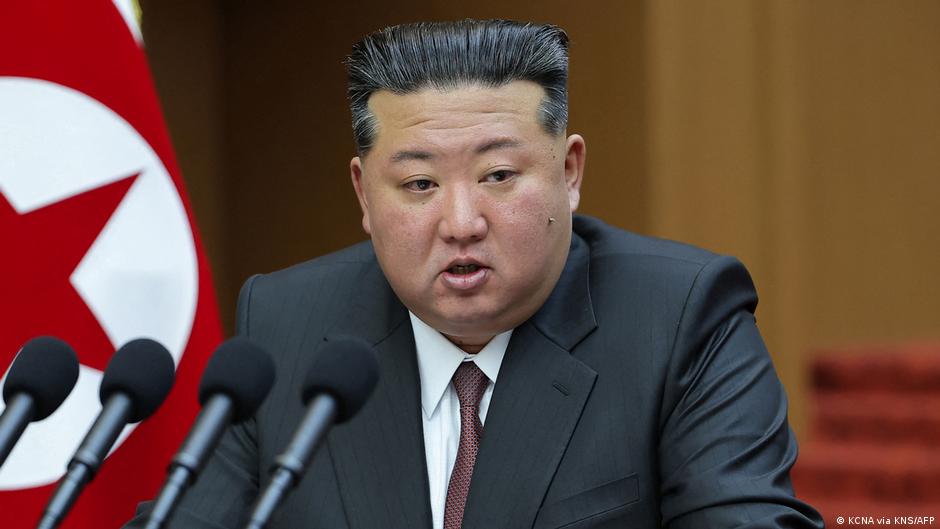
North Korea has conducted a series of missile tests involving tactical ballistic missiles, artillery rockets, and advanced cruise missiles under the supervision of Leader Kim Jong Un. The tests, which took place on May 26, have drawn attention from international observers and caused ripples in UK and European financial markets.
Implications for UK and European Business
According to reports, the launches included short-range ballistic missiles and artillery rockets fired towards the Yellow Sea from the North Pyongan Province. Pyongyang described the tests as part of its five-year plan to modernize artillery and missile forces, emphasizing military superiority and enhanced combat capabilities.
"Kim Jong Un expressed great satisfaction with the results, describing the tests as a clear signal of growing military potential."
For the UK and Europe, these developments come amid heightened geopolitical tensions in East Asia, potentially impacting trade flows and investor confidence. London’s financial markets saw increased volatility in sterling and defense sector shares, reflecting concerns over global security risks and their economic fallout.
European investors with exposure to Asian markets are also monitoring the situation closely. The advanced cruise missile tested reportedly features multiple navigation systems, including terrain mapping and artificial intelligence guidance, enabling precision strikes within a 100-kilometer radius. This technological sophistication signals a shift in the strategic balance in the region, with possible consequences for international arms control and security alliances that involve European countries.
Financial market analysts suggest that continued military provocations by North Korea could exacerbate risk aversion among investors, potentially leading to capital flight from emerging markets and increased demand for safe-haven assets such as the British pound and euro.
London Market Reaction and Sterling Outlook
Following the missile tests, the British pound experienced short-term fluctuations against major currencies. Some investors viewed the developments as a catalyst for geopolitical risk, which traditionally supports safe-haven currencies such as GBP. However, concerns about global trade disruptions and supply chain uncertainties exert downward pressure on market sentiment.
Defense companies listed on the London Stock Exchange also saw mixed responses. While some firms with defense contracts benefitted from perceived increased demand for military technologies, broader market apprehension about regional instability tempered gains.
European policymakers and business leaders are now paying close attention to North Korea’s advancing military capabilities. Enhanced missile technology presents challenges not only for regional security but for global economic stability, emphasizing the interconnectedness of geopolitical events and market dynamics.
Overall, the missile tests underline the importance of coordinated UK-EU strategies to manage geopolitical risks, safeguard investor interests, and maintain financial market resilience in the face of emerging security threats.