Paxtakor Football Club Posts Significant Losses in 2025 Impacting Regional Sports Investments
Uzbekistan’s Paxtakor football club reports a 50 billion soum loss in 2025, raising concerns for British and European investors eyeing Central Asian sports markets.
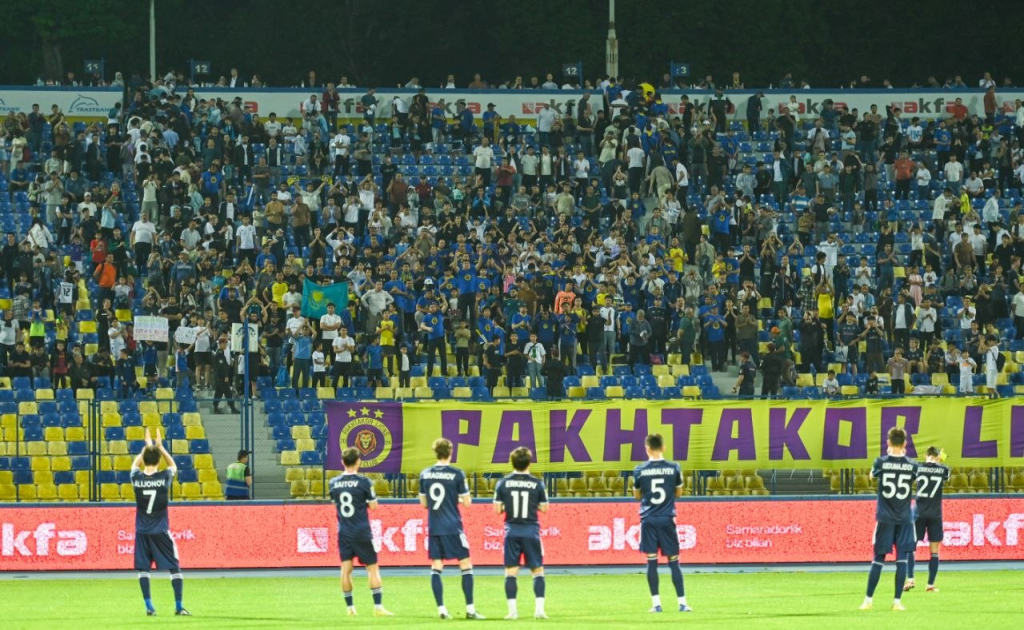
The Paxtakor football club of Tashkent, a dominant force in Uzbekistan’s Super League and a multiple-time national champion, recorded a loss exceeding 50 billion Uzbek soums in the 2025 fiscal year. This development casts a spotlight on the financial health of Central Asian sports entities and their potential impact on broader investment interests from the UK and Europe.
Financial Performance and Market Implications
According to recent financial disclosures, Paxtakor generated total revenues of approximately 78.9 billion soums in 2025, which included 15.3 billion soums from core operations and an additional 63.6 billion soums from other income streams. However, the club’s expenditures ballooned to 128.9 billion soums, culminating in a net loss of 50.8 billion soums for the year.
“The 2025 results contrast sharply with 2024, when Paxtakor achieved a net profit of 36.9 billion soums for the first time in many years,” noted financial analysts tracking emerging market sports assets.
Such financial volatility is significant not only for regional sports management but also for international investors, including those in the UK and European Union, where interest in tapping into emerging markets and expanding sports-related portfolios is growing. The losses raise questions about the sustainability of state-backed sports clubs and the effectiveness of current financial models.
Tax Liabilities and Ownership Structure
Beyond operational losses, Paxtakor reported nearly 11 billion soums in tax payments during 2025 but still holds an outstanding tax debt of 17.1 billion soums. The club remains fully owned by the Tashkent city administration, with its chairman being Jahongir Ortiqxo‘jayev, a former mayor and prominent entrepreneur.
This municipal ownership model contrasts with privatized structures common in European and British football clubs, where private investment often drives financial optimization and market competitiveness. Notably, earlier attempts to privatize Paxtakor were announced in early 2024 by the State Assets Management Agency but have not yet materialized into formal agreements. Ortiqxo‘jayev has publicly opposed paying even a nominal fee for the privatization process, signaling potential delays in transitioning to independent club management.
Contextualizing the Losses Within Uzbek Football and Broader Economic Policy
Paxtakor finished second in the 2025 Uzbekistan Super League with 60 points, following their championship win in 2023. The Uzbek government has committed to gradually reducing direct budget financing to clubs, starting 2026, where each Super League participant will receive 35 billion soums. This support is scheduled to decrease to 30 billion soums in 2027 and further to 25 billion soums in 2028, encouraging clubs to develop independent revenue sources.
For UK and European investors, these policy shifts could signal both risks and opportunities. Reduced state subsidies may pressure clubs like Paxtakor to seek private investment and commercial partnerships. This could open doors for foreign stakeholders interested in expanding their influence in Central Asian sports markets, including sponsorship, media rights, and football development programs aligned with the London market’s appetite for international sports ventures.
However, the current financial losses and tax arrears highlight the need for robust due diligence and an understanding of the regulatory environment before such investments can materialize effectively.
As London continues to serve as a global hub for sports finance and commercial rights, developments like Paxtakor’s financial performance are critical indicators for investors assessing the viability of entering less mature, but potentially high-growth, Central Asian football ecosystems.