Pope Leo XIV Criticizes Global Tyrants, Calls for Peace Amid Geopolitical Tensions
During his African tour, Pope Leo XIV denounces exploitation and war profiteering, emphasizing peace and its implications for international economic stability.
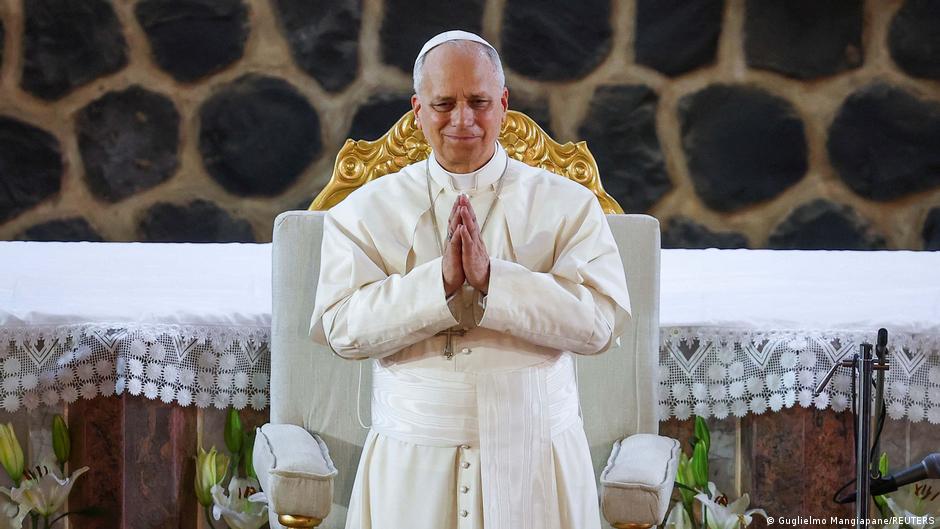
Pope Leo XIV has issued a sharp condemnation of global leaders who, he claims, exploit religion and the name of God for military, economic, and political gain. Speaking during his visit to Cameroon, the pontiff criticized "a handful of tyrants" who spend billions to ravage the world through exploitation and conflict.
Addressing congregations at St. Joseph's Cathedral in Bamenda on April 16, Pope Leo XIV declared, "Blessed are the peacemakers, but woe to those who manipulate religion and the very name of God for their own military, economic, and political advantage, plunging the sacred into darkness and abomination. This is a world turned upside down, an exploitation of God's creation that must be condemned and rejected by every honest and conscientious person."
Implications for European and British Markets
The pontiff's message arrives amid ongoing global political tensions that have ripple effects on markets, particularly in the UK and the EU. His call for peace and criticism of militarization underscore concerns about the economic consequences of prolonged conflicts, including increased defense spending and disrupted trade flows.
For London’s financial centers, which are closely entwined with global economic stability, such appeals resonate with investors wary of geopolitical risks. Sterling has experienced volatility in recent weeks, partly driven by uncertainties around international relations and energy supplies. The Vatican’s outspoken stance adds a moral dimension to the dialogue surrounding conflict and economic exploitation.
On April 11, during a prayer vigil for world peace, Pope Leo XIV—the first American pontiff—urged leaders of warring nations to cease hostilities and come to the negotiating table, rather than focus on rearmament and deadly decisions. This rebuke, though not targeting any specific state, implicitly critiques recent escalations and arms build-ups that affect European security.
"This is a world turned upside down, an exploitation of God's creation that must be condemned and rejected by every honest and conscientious person," Pope Leo XIV stated in Cameroon.
The pope’s remarks drew sharp reactions abroad, particularly from then-US President Donald Trump, who called the pontiff "terrible" on foreign policy matters and rejected criticism on social media. The Vatican clarified that its call for peace is grounded in the Gospel and not a direct attack on any administration.
European leaders have also responded to the ongoing dialogue. Italy’s Prime Minister Giorgia Meloni expressed support for the pope, emphasizing the importance of religious leaders maintaining independence from political pressures. This stance underlines the delicate balance between political and moral authority in Europe, with potential influence on policy debates within the EU and UK.
Pope Leo XIV’s African tour, which began on April 13 and will last 11 days, includes stops in Algeria, Cameroon, Angola, and Equatorial Guinea. His visit to Algeria—home to just a small Catholic minority—highlighted historical religious ties by visiting the ruins of Hippo, where St. Augustine preached.
While the pope’s focus is on peace and humanitarian concerns, his interventions have a broader resonance for British and European stakeholders monitoring how moral leadership intersects with global political and economic stability.