Putin Eases Russian Citizenship Rules for Transnistrian Residents Amid Regional Tensions
New decree simplifies citizenship access for Transnistria’s population, with potential impacts on UK and EU interests and London markets.
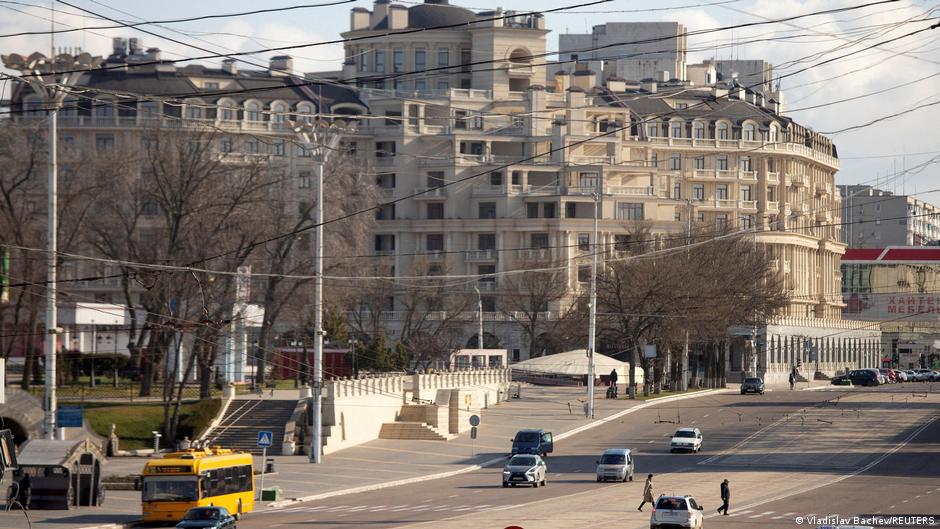
Russian President Vladimir Putin has signed a decree simplifying the process for residents of the unrecognized Transnistrian Moldovan Republic (PMR) to obtain Russian citizenship. The new rules remove the requirement for applicants to pass exams on the Russian language and Russian history, easing access for many in this disputed region.
The decree, published on May 15 on Russia’s official legal portal, allows all adult residents of Transnistria to apply for Russian passports without meeting several prior conditions such as language proficiency tests. Additionally, Russian citizenship may now be granted to orphaned children in Transnistria based on guardians’ applications.
Geopolitical and Economic Implications for UK and EU
Transnistria is a breakaway region located on the left bank of the Dniester River within Moldovan territory. It declared independence in 1990 but remains unrecognized by any United Nations member state. The region hosts a Russian operational military group, maintaining Moscow’s strategic influence there.
Sergey Shoigu, Secretary of Russia’s Security Council, stated in April that over 220,000 Russian citizens reside in Transnistria, with the total population estimated at around 470,000. The Kremlin’s move could heighten tensions in Eastern Europe, complicating diplomatic relations with the UK and the European Union, which support Moldova’s territorial integrity.
“The decree marks a significant shift in Moscow’s approach to the Transnistrian issue, potentially disrupting regional stability and impacting business confidence in European markets,” analysts noted.
For British investors and companies engaged in Eastern Europe, this development introduces new uncertainties. The potential increase in Russian citizens in Transnistria may affect trade routes and energy corridors crucial to the EU’s supply chain, while also putting pressure on London-based financial institutions exposed to regional risks.
Market reactions in London have been cautious, with sterling showing slight volatility amid concerns over escalating geopolitical risks in Eastern Europe. The UK government is closely monitoring the situation, balancing its strategic interests with diplomatic efforts to de-escalate tensions.
Overall, the decree underscores Moscow’s intent to consolidate influence in the post-Soviet space, which could have cascading effects on British and European economic and security interests.


