Russia Plans Temporary Export Ban on Diesel and Jet Fuel Amid Refinery Disruptions
Moscow considers limiting diesel and aviation fuel exports for up to two months, impacting UK and EU energy markets and sterling.
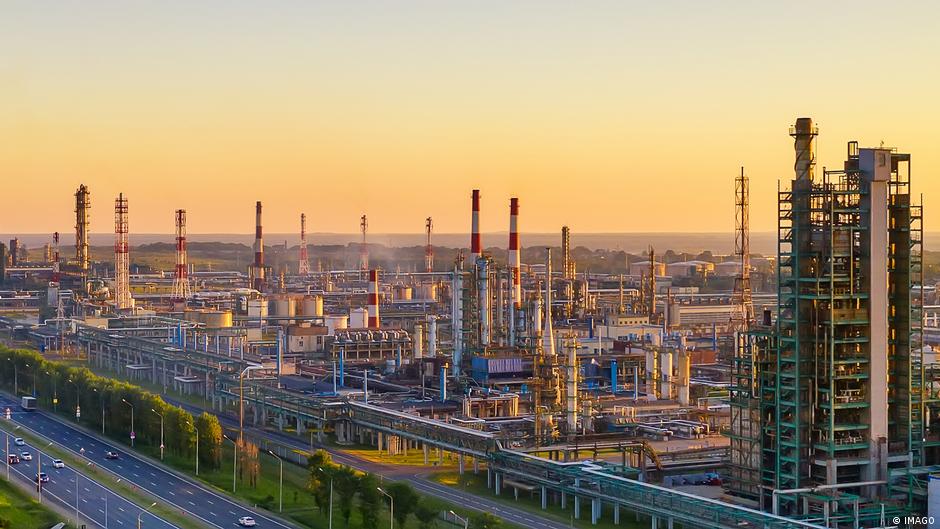
Russian authorities are reportedly preparing to impose a temporary ban on the export of diesel fuel and aviation kerosene, a move that could have significant repercussions for UK and European energy markets as well as London’s financial sector. The restriction is expected to last one to two months, according to sources close to the Russian government.
Fuel Export Restrictions and Their Drivers
The decision comes after a meeting led by Russian Deputy Prime Minister Alexander Novak, who emphasized the need for continuous monitoring and coordination among federal agencies and key industry players to stabilize the domestic fuel market. The Ministry of Economic Development is reportedly finalizing the approval of these export controls.
Since April 1, Russia has maintained a full ban on gasoline exports until July 31. Restrictions on diesel exports have been intermittently implemented since September 2023 to protect internal supply. However, this potential embargo on aviation kerosene marks a new and notable escalation in Russia’s energy export policy.
A recommendation was also made for Russian oil companies to voluntarily limit their exports of petroleum products, reflecting the government’s intent to safeguard domestic fuel availability amid growing operational challenges.
"It is necessary to continue constant monitoring to ensure coordination among federal agencies and industry companies," Deputy Prime Minister Novak stated, highlighting the strategic priority of managing fuel supplies.
Impact of Ukrainian Drone Attacks on Russian Refinery Operations
One of the catalysts behind these export restrictions is the recent surge in Ukrainian drone attacks targeting Russian oil refineries. According to industry insiders and official data, nearly all major refineries in central Russia have been forced to either halt or reduce production. These facilities collectively account for over 83 million tons of refining capacity annually — about 25% of Russia’s total output of diesel and 30% for gasoline.
Notably, the "Lukoil-Nizhny Novgorod Refinery" in Kstovo, one of Russia’s top five largest refineries, had to suspend more than half of its capacity following a drone strike on May 20. This disruption exacerbates supply concerns domestically and abroad.
Since the beginning of the conflict in Ukraine, attacks on Russian refineries have dramatically increased, with 88 incidents recorded in 2025 and already 33 attacks within the first five months of 2026 — exceeding last year’s figures.
Repercussions for UK and European Markets
The proposed export ban threatens to tighten global diesel and jet fuel supplies, potentially driving up prices in the UK and across Europe. Given London’s status as a major energy trading hub, volatility in Russian fuel exports could impact sterling, commodity markets, and fuel futures traded on the London market.
Europe’s dependency on Russian petroleum products, especially diesel used in transportation and aviation kerosene critical for airlines, means these restrictions may accelerate the search for alternative suppliers. This could benefit UK and European refiners and traders who are positioned to fill the supply gap but may also lead to higher fuel costs, impacting inflation and economic growth.
Market participants in London will be closely monitoring Moscow’s final decision, as well as potential retaliation or countermeasures that could further disrupt Eurasian energy flows. The evolving situation underscores the geopolitical risks embedded in energy security and the interconnectedness of the UK and EU markets with Russian export policies.
In summary, Russia’s plan to cap diesel and aviation fuel exports amid refinery disruptions presents new challenges and opportunities for British and European businesses. The ripple effects on sterling and London’s energy markets are likely to unfold over the coming months, emphasizing the importance of strategic energy sourcing and market agility.