Russia Revises Fuel Dampener Mechanism Amid Market Pressures Impacting UK and EU Energy Supplies
Amendments to Russia’s fuel pricing system may affect fuel availability and sterling exchange rates amid London market reactions.
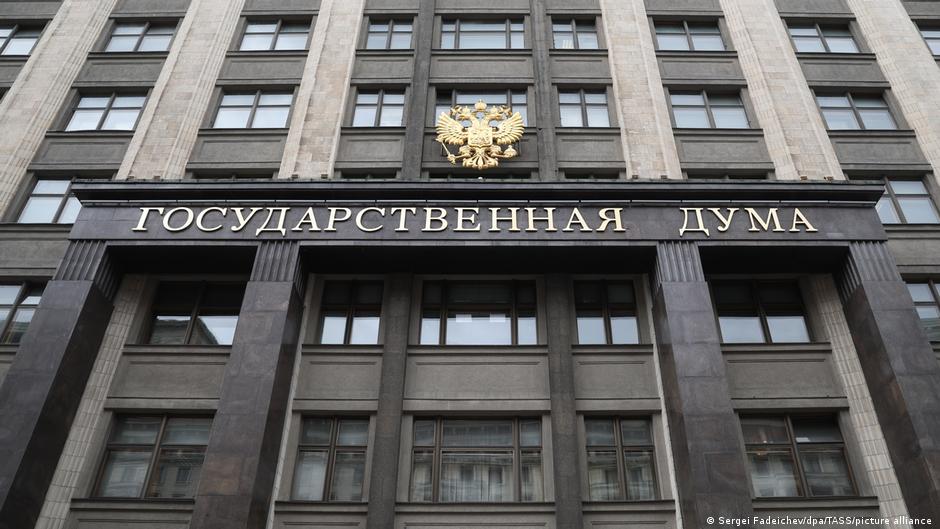
The Russian State Duma has approved a package of amendments to the Tax Code aimed at stabilizing domestic fuel prices by adjusting the fuel dampener mechanism, which compensates oil companies to limit price rises. The law, published on 21 July, introduces changes to how fuel sales are regulated, including provisions that could influence fuel exports and imports, with potential ramifications for the UK and European markets.
Implications for British and European Energy Interests
The revised legislation expands the scope of fuel sales counted towards mandatory minimum sales on the exchange, now allowing certain off-exchange sales determined by the government to be included. This change is partly in response to requests from Russia's agricultural sector to secure fuel supplies via direct contracts between refineries and authorized agricultural fuel suppliers.
"The amendments aim to increase fuel availability while mitigating price volatility on the domestic market," explained Russian Deputy Finance Minister Alexey Sazanov.
Of particular interest to European and UK stakeholders is the introduction of compensation mechanisms for imported diesel fuel, mirroring an existing scheme for gasoline. Importers may receive tax credit compensations if import prices exceed domestic wholesale prices, but only during periods of simultaneous export restrictions on diesel and aviation kerosene. This policy links Russian domestic fuel market stability to global supply dynamics, especially with India serving as the price benchmark for diesel imports from third countries.
The enhanced compensation coefficient for Belarusian fuel imports (raised to 0.9) signals a strategic preference, which could reshape supply routes affecting European markets reliant on Russian fuel exports.
Market Reactions and Sterling Impact
These legislative changes come amid India's recent near doubling of export duties on diesel and aviation fuel, a major factor given India’s role as a key global petroleum product exporter accounting for approximately 6% of global seaborne deliveries. The timing may introduce volatility in global fuel prices, influencing the pound sterling and London’s energy trading markets.
London’s markets are closely monitoring the potential for increased Russian domestic fuel supplies and the stabilization effects on global prices. The UK’s energy sector, already sensitive to geopolitical shifts and supply chain disruptions, could see indirect effects through shifts in diesel availability and pricing.
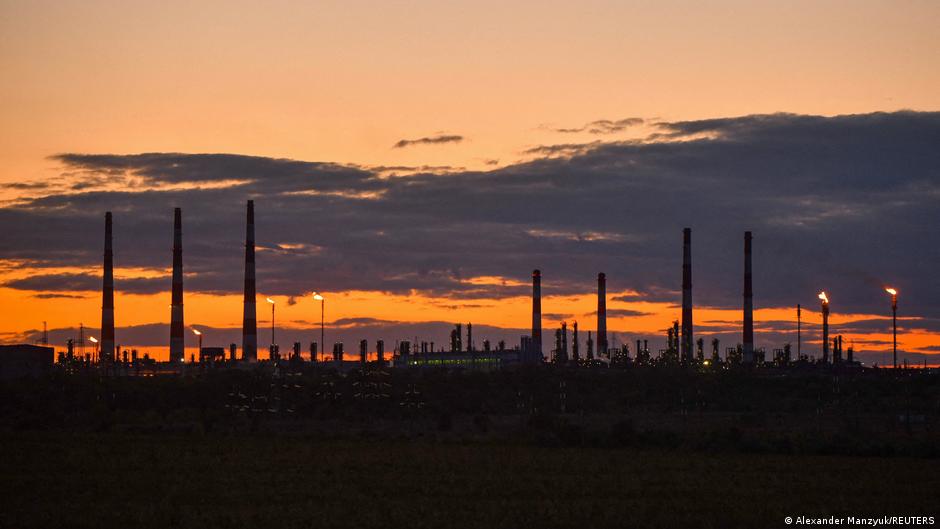
Russian Deputy Prime Minister Alexander Novak noted government measures are beginning to stabilize the market through export controls, increased production, imports, and adjusted refinery maintenance schedules. However, the legacy of significant damage to Russian refineries due to Ukrainian drone strikes earlier this year — shutting down about 25% of the country's refining capacity — continues to pressure supply chains.
British and European energy firms and policymakers will be analyzing these developments carefully as they could affect fuel import strategies, pricing, and the broader energy security outlook within the region.