Russia Signs Military Cooperation Pact with Taliban Amid Global Security Concerns
The agreement may facilitate transfer of Russian arms and technology to the Taliban, impacting UK and European security interests and London markets.
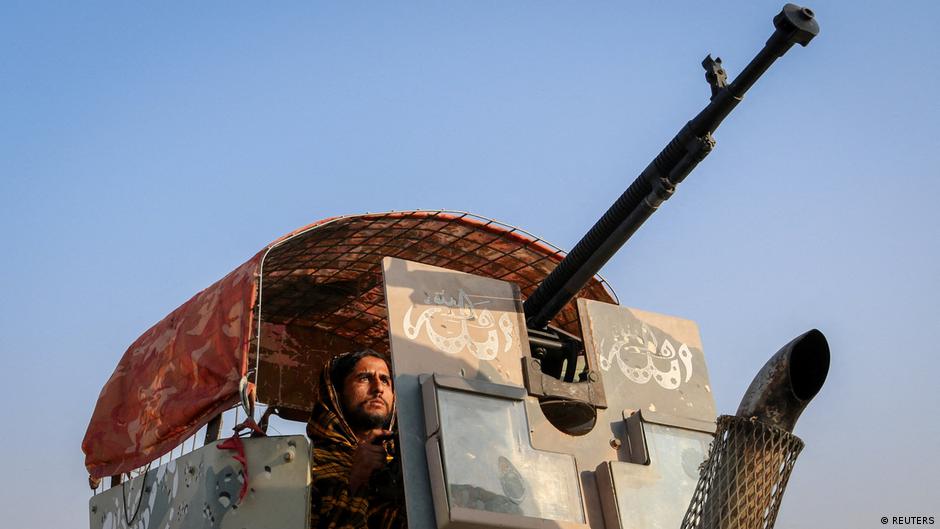
Russia has formalized a military-technical cooperation agreement with the Taliban, the Islamic radical movement currently governing Afghanistan. This development, disclosed on May 27 during the International Security Forum held near Moscow, raises critical questions for British and European security frameworks and could influence sterling and London market sentiment.
Details and Strategic Implications of the Agreement
The confidential pact was signed amid high-level talks between Russian Security Council Secretary Sergey Shoigu and Afghanistan’s Defense Minister Mohammad Yaqoob, the latter a prominent Taliban figure and son of the group’s founder. While the precise terms remain undisclosed, such agreements typically involve the exchange of weaponry, military licenses, and technology, as well as potential joint development projects.
"The deal could facilitate the transfer of Russian arms and military know-how to the Taliban, potentially destabilizing the region further," commented a security analyst.
This announcement comes at a time when Russia has repositioned the Taliban from a designated terrorist group to a recognized diplomatic partner, reflecting Moscow’s geopolitical maneuvering in Central Asia. For the UK and EU, where Afghanistan’s security status directly affects counterterrorism efforts and regional stability, the agreement signals a shift that may require reassessment of defence and diplomatic policies.
Repercussions for the UK, EU, and London Markets
From a British and European perspective, the pact complicates ongoing efforts to manage the security threats emanating from Afghanistan and the broader region. The potential flow of Russian military equipment to the Taliban could embolden militant activities, increasing risks to Western interests and prompting calls for a more coordinated security response among NATO and EU member states.
Financial markets in London reacted cautiously to the news, with sterling experiencing mild volatility driven by concerns over geopolitical instability and its potential impact on investment sentiment. The City of London, a global hub for defense and security sector finance, may witness increased scrutiny on transactions involving Russian-linked military technology transfers, influencing regulatory and compliance frameworks.
Further, the UK government's stance on Afghanistan’s governance and counterterrorism strategies may face intensified debate in Parliament, with implications for foreign aid allocations and sanctions regimes targeting Russia and Taliban affiliates.
Background and Broader Context
Since the Taliban’s return to power in Afghanistan in 2021 following the withdrawal of US forces, Moscow has progressively engaged with the movement as a strategic ally against terrorism, a stance underscored by President Vladimir Putin’s 2024 designation of the Taliban as partners in counterterrorism. Russia’s 2025 diplomatic move to accept a Taliban ambassador in Moscow marked a significant departure from Western policies that continue to classify the Taliban as terrorists.
This divergence in international approaches highlights a complex security landscape for the UK and EU, underscoring the challenges of balancing diplomatic engagement, economic interests, and counterterrorism objectives in a volatile region.
As this military cooperation agreement unfolds, London and European capitals will monitor developments closely, assessing risks to regional stability, impacts on defense industries, and the implications for sterling and related financial markets.