Russia Threatens Armenia with Higher Tariffs Amid EU-Eurasian Integration Dispute
Russian President Putin warns tariff hikes and work patent requirements if Armenia leaves Eurasian Economic Union, impacting UK and EU business interests.
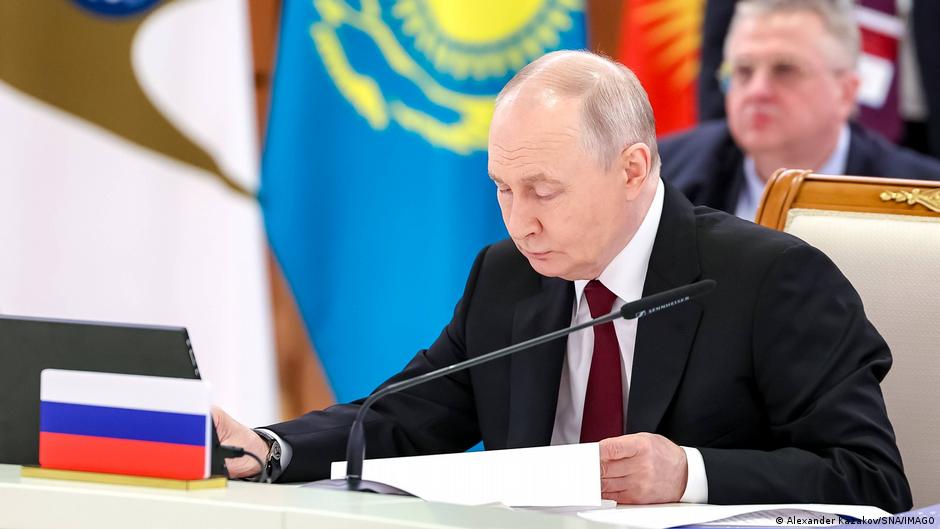
Russia has issued stern warnings to Armenia regarding potential economic consequences if the country chooses to distance itself from the Eurasian Economic Union (EAEU) and align more closely with the European Union (EU). President Vladimir Putin stated that Armenia would face increased tariffs on railway transportation and energy supplies, alongside new work permit requirements for Armenian citizens in Russia.
Impact on Armenia’s Trade and Regional Relations
At a press conference following the EAEU summit in Astana on May 29, Putin emphasized that if Armenia adopts EU standards, Russia would be compelled to cease economic integration, raising questions about Armenia's export markets, notably for products like Armenian wine.
“If Armenia begins transitioning to EU standards, we will have to end all economic integration with them. Who will buy their products? Where will Armenian wine go?” Putin said.
Putin further indicated that tariffs on rail transport for Armenia would be increased, and prices on energy carriers supplied to Armenia would be raised. This could potentially elevate costs for Armenian businesses and consumers, affecting the broader regional economic landscape.
Additionally, Putin mentioned that Armenian workers in Russia would need work patents, a move that could complicate labor mobility and employment opportunities within the Russian market. Such measures reflect Moscow's strategy to preserve the cohesion of the EAEU amid pressures from Armenia’s EU rapprochement ahead of parliamentary elections scheduled for June 7.
The EAEU, comprising Russia, Belarus, Kazakhstan, Kyrgyzstan, and Armenia, issued a joint statement calling for Armenia to conduct a referendum to decide between continued membership in the EAEU or closer ties with the EU. This political pressure highlights the crossroads at which Armenia stands between the two blocs.
Reactions and Broader Geopolitical Implications
Putin dismissed recent accusations by the EU suggesting Russia is preparing for conflict against European countries, labeling such claims as "nonsense and lies." He referenced a phrase historically linked to Nazi propaganda, quoting it to criticize the allegedly misleading nature of Western media narratives.
While Putin attributed the quote to Joseph Goebbels, the phrase actually originates from Adolf Hitler’s "Mein Kampf." This rhetoric illustrates the heightened tensions between Russia and the EU, with Armenia caught in the middle of competing spheres of influence.
Russia’s increasing economic pressure on Armenia includes a ban by the Russian agricultural watchdog on certain Armenian products—such as mineral water, vegetables, and brandy—and threats to terminate duty-free supplies of petroleum products, natural gas, and unprocessed diamonds. These actions reflect an assertive approach to dissuade Armenia from pivoting towards the EU.
For the UK and European business communities, these developments carry significant implications. London’s financial markets and trade networks, which maintain interests in both EU and Eurasian regions, face uncertainties stemming from the geopolitical tug-of-war. Should Armenia deepen ties with the EU, new trade patterns could emerge, possibly affecting sterling trade flows and investor confidence in Eurasian markets aligned with Russia.
Conversely, sustained Russian pressure could destabilize regional economic cooperation and supply chains, prompting London-based firms to reassess risks related to energy imports, commodity markets, and regional investment opportunities.
Overall, Armenia’s choices may reshape economic and political dynamics on Europe’s eastern edge, influencing policy decisions within the UK and EU concerning trade relations, sanctions, and regional security.


