Russian Advisor Predicts Prolonged War, Raising Risks for European Energy Markets
Rosneft advisor warns Russia may remain in war for decades, impacting global energy supply and London's market dynamics.
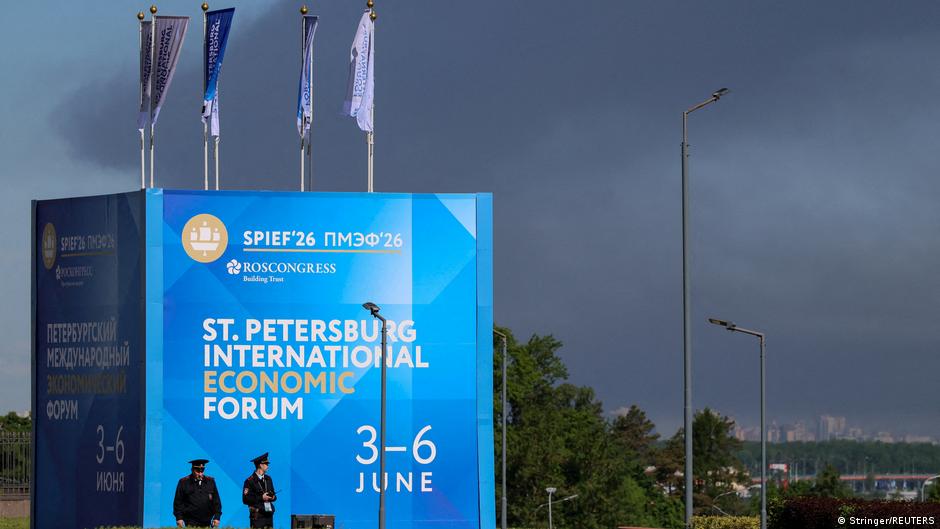
At the St. Petersburg International Economic Forum on June 3, Andrey Bezrukov, an advisor to Rosneft CEO Igor Sechin, projected that Russia could remain in a state of war for several years or even decades. This extended conflict outlook could have significant repercussions for European energy markets and Sterling, given Russia's critical role as a supplier of oil and gas.
Long-term Conflict and Its Implications
Bezrukov, a former Russian intelligence officer with a complex espionage history, stated that Russia may face "a war lasting a couple of decades," involving "two generations that can be considered practically at war." He described the possibility of a "creeping war" that might evolve beyond current battle zones, emphasizing Russia's need to adapt its economic and governmental systems to meet both development and defense requirements.
"We need to build a state system and economy that serve not only development but also defense," Bezrukov said, underscoring Russia’s intent to sustain long-term conflict readiness.
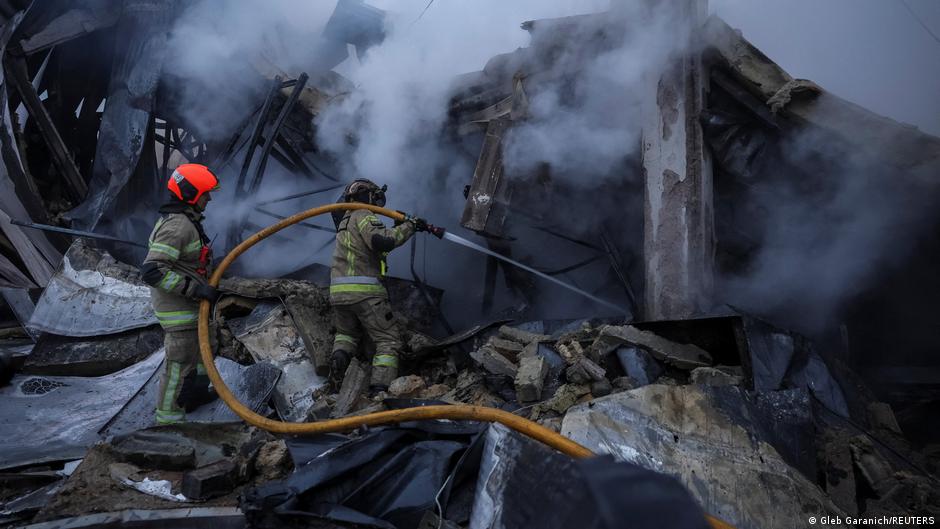
His comments come amid ongoing geopolitical tensions and recent drone attacks on St. Petersburg, including a fire at a major oil terminal, highlighting vulnerabilities in key Russian infrastructure. The disruptions have caused operational delays and raised concerns about oil and gas flows to Europe.
Impact on UK and European Markets
Russia's prolonged conflict stance poses challenges for London’s financial markets and Sterling, given the UK's exposure to energy price volatility. London's market reacts sensitively to fluctuations in oil and gas supplies, and any threat to Russian energy exports can drive price swings and influence inflationary pressures across the UK and EU economies.
The drone attacks on the St. Petersburg oil terminal, one of Russia's largest in the northwest, could potentially hamper crude exports critical to Europe. Additionally, the reported disruptions to telecommunications and transport infrastructure in the city indicate heightened risks to regional stability, which investors closely monitor.
Moreover, Bezrukov’s mention of a potential "biological warfare" threat, though widely disputed by independent experts and deemed propaganda by many analysts, adds another layer of uncertainty that could affect market sentiment.
Given London's role as a global financial hub and trading center for commodities, any sustained instability in Russian energy supplies will likely pressure Sterling and influence EU energy strategies, accelerating moves toward diversification and alternative sources.
Context: Bezrukov’s Background and Recent Events
Andrey Bezrukov is a former colonel in Russia’s Foreign Intelligence Service (SVR) with a notable past as a Soviet spy, having lived abroad under the alias Donald Heathfield. He was arrested in the United States in 2010 alongside other agents but later exchanged and returned to Russia. His insights at the forum reflect a hardline stance aligned with current Kremlin policies.
On the night of June 3, the drone incursions over St. Petersburg and the Leningrad region resulted in explosions and fires, including damage to residential areas and critical oil infrastructure. The disruptions extended to mobile internet outages and flight delays at Pulkovo Airport, where a contingency plan was activated.
This sequence of events underscores the fragility of Russia’s internal security amid ongoing conflict and the ripple effects on Europe’s energy security and financial markets.