Russian Attack Damages Chernobyl Museum in Kyiv, Raising Concerns for London and EU Markets
Russian missile strike severely damaged Kyiv’s Chernobyl Museum, disrupting cultural heritage and impacting British and European interests amid ongoing conflict.
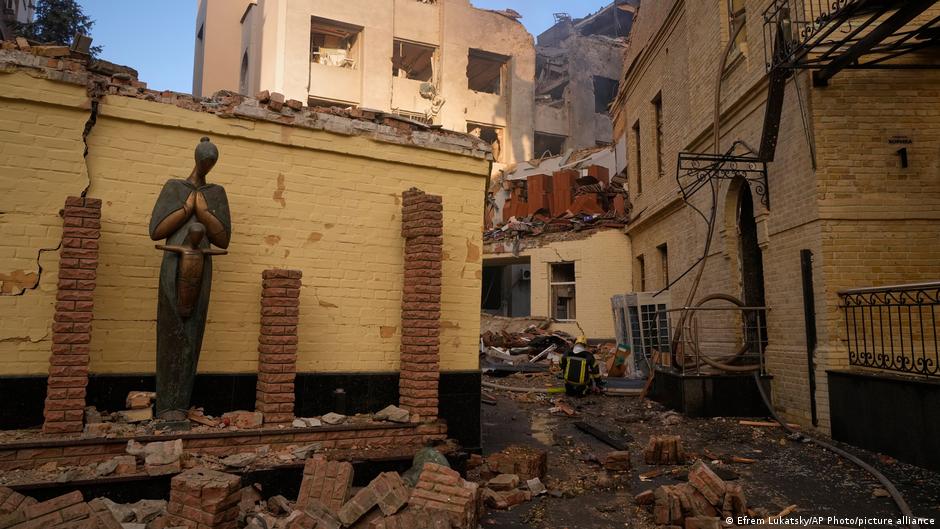
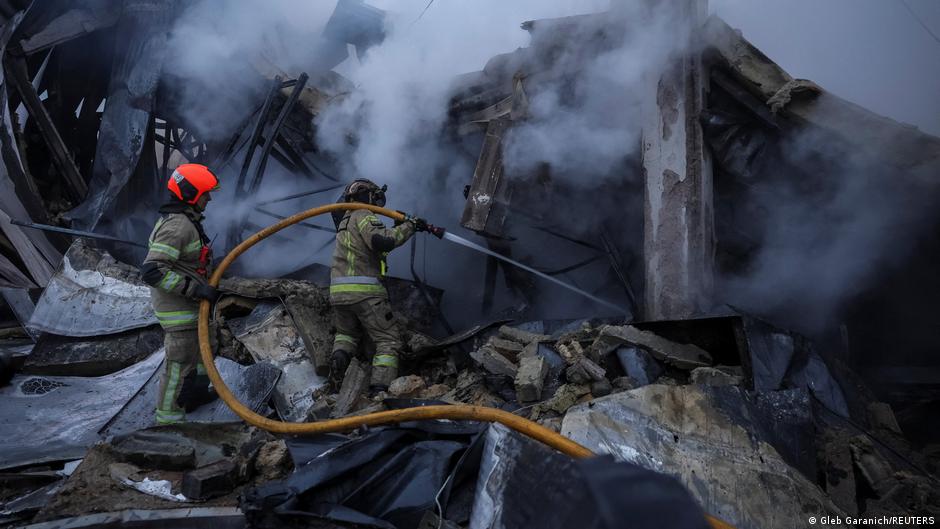
On the night of May 24, a large-scale Russian missile and drone strike targeted Kyiv, causing significant damage to the National Chernobyl Museum and other cultural institutions. Approximately 40 percent of the museum’s exhibits were destroyed or severely damaged, forcing a temporary closure. The attack underscores the continuing risks to Ukraine’s cultural heritage amid the war and has sparked concerns across European and British markets, including London’s financial sector.
Impact on Kyiv’s Cultural Institutions and International Business Sentiments
The National Chernobyl Museum, dedicated to preserving the memory of the 1986 nuclear disaster, had just reopened at the end of April following extensive renovations. However, the recent strike inflicted severe damage to its building, including external structural damage, internal fires, and partial ceiling collapse. Ukrainian authorities have confirmed that about 40 percent of the exhibits were irreversibly lost.
“Rescuers and museum staff immediately began evacuating exhibits after the strike, successfully saving key items including a painting by Maria Prymachenko and the Ukrainian flag raised at Chernobyl after de-occupation in 2022,” said Ukrainian Ministry of Internal Affairs.
The attack on cultural landmarks extends beyond the Chernobyl Museum. Kyiv’s National Art Museum, National Philharmonic, National Music Academy, and Kyiv Opera were also damaged. Additionally, other significant cultural spaces such as Hinaus, the Ukrainian House, and the Church of the Nativity on Podil faced destruction.
In parallel, German media offices including Deutsche Welle and ARD in Kyiv were damaged, highlighting the broader implications for European media and diplomatic presence. This series of strikes led to civilian casualties, with at least four deaths and over 80 injured in Kyiv and surrounding areas.
From a security perspective, the Russian military launched 90 missiles and 600 drones targeting Kyiv and the city of Bila Tserkva in Kyiv Oblast. Notably, an "Oreshnik" medium-range ballistic missile was used, marking its third deployment in the conflict. The missile targeted a military facility in Bila Tserkva but also caused collateral damage to civilian infrastructure.
Ukrainian President Volodymyr Zelensky condemned the attacks, stating that President Putin continues to target residential areas and civilian infrastructure, including water supply facilities, markets, schools, and homes.
Repercussions for British and EU Markets
The ongoing conflict and recent escalation in missile strikes have reverberated through UK and European financial markets. London, as a global financial center with significant investments in Eastern Europe and energy sectors, is closely monitoring developments. The damage to Ukraine’s cultural and civic infrastructure highlights the deepening humanitarian crisis, potentially affecting investor confidence and economic stability in the region.
Moreover, the targeting of German media offices and key cultural institutions raises concerns over information security and the resilience of European media operations in Ukraine. For British businesses engaged in media, defense, and reconstruction sectors, the escalation signals increased operational risks and potential disruptions.
As the conflict continues, stakeholders across the UK and EU must consider both the direct and indirect impacts on trade, investment, and regional security. Strengthening support for Ukraine’s cultural and civilian infrastructure could become a focal point for European policymaking and private sector engagement.