Russian Bombing of Ukrainian Cities Raises Concerns for UK-EU Markets and Sterling Stability
Russian airstrikes on Zaporizhzhia and Sumy cause civilian casualties and heighten geopolitical tensions affecting British and European economic interests.

On 19 July, the Russian military launched targeted airstrikes using guided bombs on the Ukrainian cities of Zaporizhzhia and Sumy. The attacks resulted in civilian casualties, infrastructure damage, and renewed concerns over the broader geopolitical stability impacting UK and European markets.
Impact of the Bombings on Civilians and Infrastructure
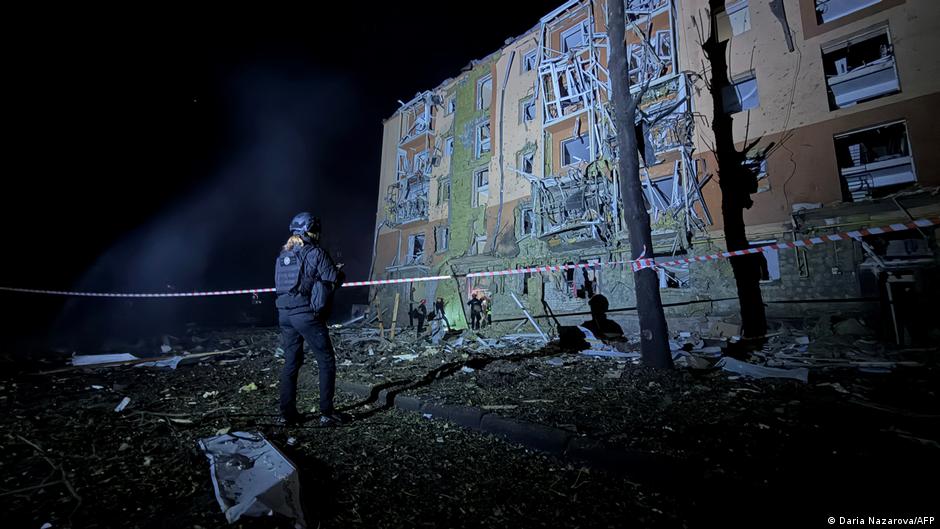
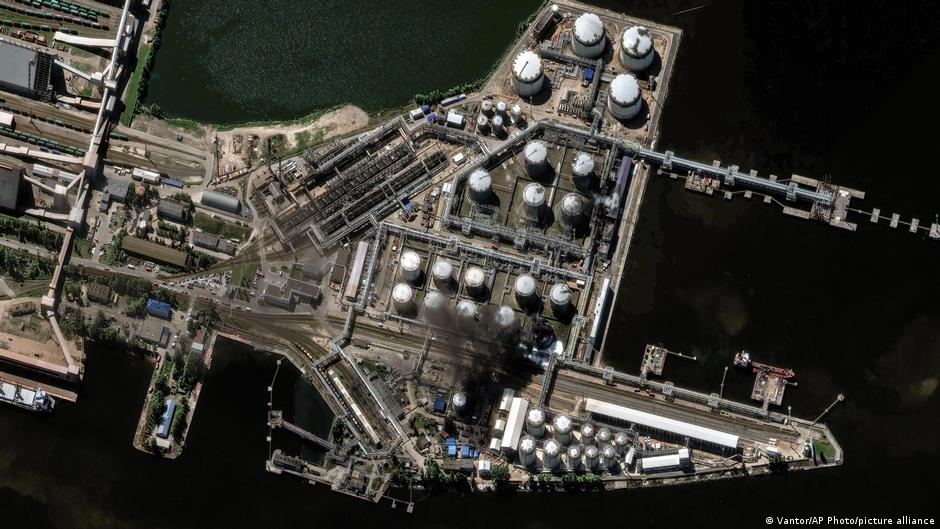
In Zaporizhzhia, the airstrike destroyed two floors of a five-storey residential building and damaged windows and balconies of a nearby nine-storey apartment block. Additionally, a logistics operator’s terminal caught fire, further exacerbating the disruption. At least two civilians were killed and more than 40 injured, including eight children.
Similarly, in Sumy, Russian forces targeted civilian infrastructure with guided bombs, resulting in one fatality and multiple injuries. Damage was confirmed in both residential and industrial zones of the city, with an estimated seven guided bombs striking the Kovpakivskyi district.
“The attacks on civilian infrastructure and residential areas represent a worrying escalation that threatens regional stability,” a regional official stated.
Repercussions for UK and European Business Interests
These bombings come at a time when UK and EU economies remain sensitive to geopolitical risks in Eastern Europe. The increased volatility in the region could translate into renewed pressure on sterling and European currencies, as well as create uncertainty for investors in London’s financial markets.
British businesses with supply chains or investments in Eastern Europe may face disruptions, while energy markets, already pressured by ongoing tensions linked to Ukraine, could see further instability. The strikes underscore the fragility of the ceasefire hopes and the persistent threat to peace that could deter foreign direct investment and trade.
Financial analysts caution that renewed conflict may add to inflationary pressures in the UK and EU, as commodity prices and energy costs remain susceptible to supply shocks. The London Stock Exchange has seen increased cautiousness among investors amid these geopolitical developments.
Looking Forward
As the situation unfolds, UK and European policymakers are likely to monitor the security environment closely. Diplomatic efforts aimed at de-escalation will be critical to restoring market confidence and safeguarding economic interests tied to the region.
For now, the Russian attacks on Zaporizhzhia and Sumy serve as a stark reminder of the ongoing conflict’s potential to disrupt not only local populations but also broader economic stability in Europe.