ICAO Urges Stronger Conflict-Zone Flight Safeguards After Ukraine Warning
UN aviation body calls for tougher risk-sharing and coordination as Ukraine warns Russia’s airspace is becoming less safe for civil flights.
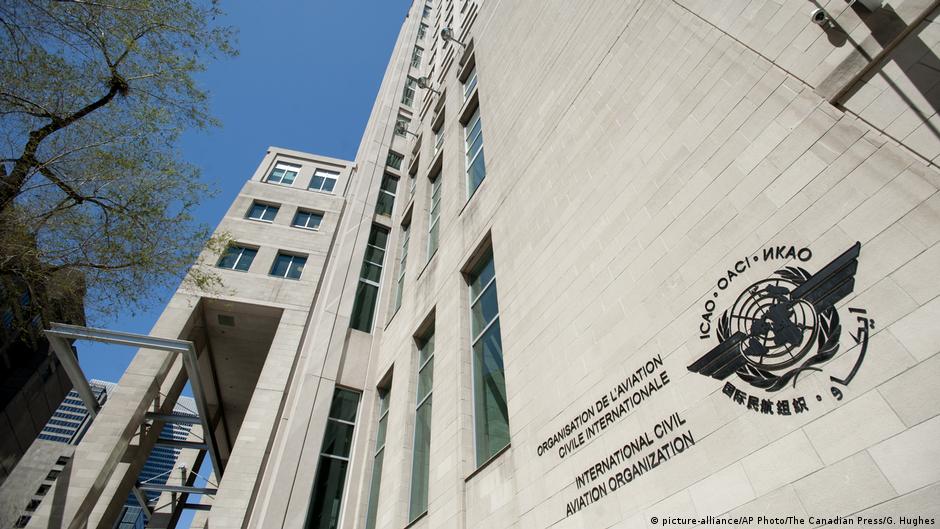
The UN’s International Civil Aviation Organization has called on governments to take stronger steps to protect civilian aircraft flying near conflict zones, after Ukraine formally warned the body that Russia’s airspace has become unsafe because of intensified military activity. For European airlines, insurers and regulators, the intervention adds a fresh layer of scrutiny to airspace risk management at a time when carriers are already navigating higher security, fuel and routing costs.
ICAO, which has 193 member states, published the statement on Wednesday, September 2. The organization did not explicitly name either Russia or Ukraine in its appeal, but said the warning reflected a growing global threat from the use of weapons against civilian aircraft and a heightened risk that such planes could be deliberately targeted or caught in crossfire.
The agency pointed to several technologies that can endanger civil aviation, including drones, long-range weapons systems, air defence systems and equipment used to create radio-frequency interference affecting navigation systems. That mix of threats is likely to resonate in Europe, where airlines, airport operators and market participants have become increasingly sensitive to any development that could disrupt established air corridors or force sudden rerouting.
“Member States should share information on threats without delay when certain activities create risks for civilian aircraft, strengthen risk-assessment mechanisms and timely decision-making, and improve coordination between military and civil authorities to prevent the mistaken identification of civilian aircraft as military targets,” ICAO said.
For British and EU aviation interests, the statement matters beyond immediate security considerations. Any official warning linked to Russian airspace can feed into operational decisions for carriers with exposure to Eurasian routes, while also influencing insurance pricing, overflight calculations and the commercial attractiveness of some long-haul connections. London-listed travel and airline stocks can be sensitive to such geopolitical risk signals, particularly where investors see the potential for further disruption to flight schedules or margins.
Ukraine steps up pressure over Russian airspace risks
Several hours before ICAO published its statement, Ukrainian Foreign Minister Andrii Sybiha said Kyiv had officially notified the organization that Russian airspace was unsafe because of intensified military activity. He said Ukraine was strongly urging all parties to avoid it.
According to Sybiha, Russia is consciously ignoring existing threats caused by its aggression against Ukraine, a situation he said has already led to several incidents in recent years. Against what he described as a sharp escalation of Russian terror against Ukraine, Sybiha argued that Russian airspace is becoming increasingly unsafe. He said Kyiv’s notification to ICAO was intended to help prevent unintended incidents.
The Ukrainian démarche followed a September 1 statement by President Volodymyr Zelenskyy, who said the airspace over Russia would gradually close because of Ukrainian drones that Russian authorities were not properly reporting. Zelenskyy said the Russian sky was becoming completely unsafe and added that Ukraine did not want innocent people to die, which was why it was warning partners.
For European policymakers and corporate risk teams, that sequence is significant. Formal notifications to ICAO can shape how airlines assess legal, safety and reputational exposure, even when no immediate blanket restriction follows. In practice, British and continental carriers have long had to weigh conflict-zone intelligence against cost pressures, and any intensification of warnings can sharpen the focus on contingency planning.
That matters for the wider market because airspace closures or partial avoidance measures can lengthen routes, increase fuel burn and pressure ticket economics. Sterling-facing investors will also watch whether any renewed disruption to regional aviation feeds into broader travel-sector sentiment in London, particularly if it affects confidence in winter schedules, cargo reliability or the cost outlook for operators already dealing with a volatile geopolitical backdrop.
Russia responded sharply at the political level. President Vladimir Putin described Zelenskyy’s remarks as a bid for state terrorism. Speaking during the night of September 2 after the Shanghai Cooperation Organisation summit in Bishkek, Putin said that if such tragedies were to occur, Russia would find a response and that nobody should doubt it.
Later on September 2, Russia’s Federal Air Transport Agency, Rosaviatsiya, said together with other authorities it was implementing additional measures for the safe use of Russian airspace and for improving the protection of transport infrastructure on the ground. The agency added that Russian air transport and its ground infrastructure were continuing normal operations and were receiving and dispatching flights, including those of foreign airlines.
That official reassurance may offer some short-term support to operators still using Russian airspace, but the broader issue for Europe is whether the risk picture continues to deteriorate faster than public guidance can keep pace with it. ICAO’s intervention, while framed in global terms, underlines the degree to which civil aviation authorities now see conflict-zone management as a live operational and governance challenge rather than a peripheral security concern.
For the UK and EU, the commercial stakes are not limited to airlines alone. Airports, aerospace suppliers, insurers, business travellers and logistics groups all have an interest in predictable route planning and stable safety protocols. Any deterioration in confidence around a major airspace corridor can ripple through freight timings, crew planning and pricing structures. In that sense, the ICAO appeal is not only a security message. It is also a reminder that conflict risk is increasingly a business variable with direct implications for European transport markets and investor sentiment.